Saltwater · Spring and fall migrations on the East Coast; year-round in San Francisco Bay and the Delta
Striped Bass
Morone saxatilis
A powerful migratory bass shared by both coasts — Atlantic beaches and rivers, and San Francisco Bay and Delta on the Pacific side. Stripers school on baitfish, feed hard at night and in current, and hit plugs, swimbaits and bait alike.
Seasons · Peak
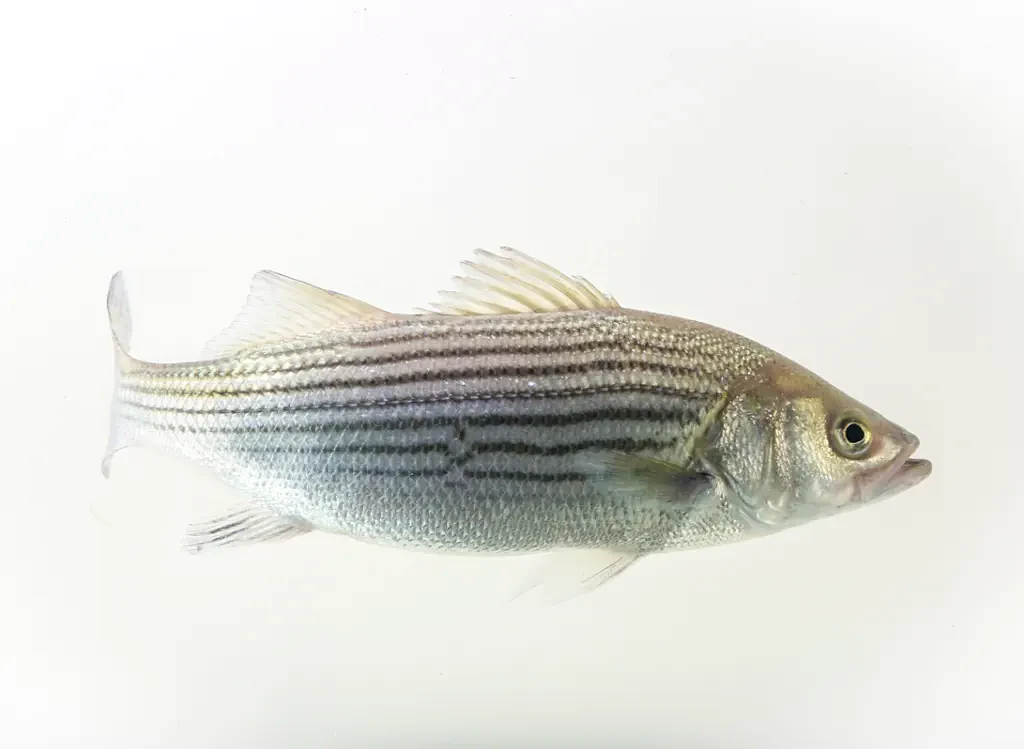
Identifying features
- Six to nine bold, unbroken dark stripes running the length of the silvery body
- Deeply forked tail and a streamlined, perch-like shape
- Two separate dorsal fins — the first spiny, the second soft
- Lower jaw projects slightly; the mouth reaches to below the eye
- Look-alike: largemouth bass are green freshwater fish with one joined dorsal fin and a broken lateral stripe, not full-length stripes
Habits
- School by size and chase baitfish into surf, rips and river banks
- Feed most aggressively at night, dawn and on moving tides
- Migrate long distances along the coast and up rivers to spawn in spring
- Hold behind bridge pilings, rocks and current breaks by day
Distribution
Where to find them
- Surf troughs and points where waves push bait inshore
- Current rips, inlet jetties and bridge shadow lines at night
- River channel edges and shoals during the spring run
Where they live
How to catch them
Casting plugs and swimbaits
Rig: Swimbait or plug on a surf or boat spinning rod, 20 lb leader
Bait/lure: 5-7" swimbaits, pencil poppers, bucktail jigs
Key tip: Fish the tide change at dawn. Work rips from the up-current side.
Bait fishing channels
Rig: Fish-finder rig with a circle hook and 3-5 oz sinker
Bait/lure: Cut shad, menhaden or anchovy
Key tip: Anchor on a channel edge and let fresh bait do the work on the ebb.
Best baits & lures
Baseline setup
- Rod: 9-10' surf rod or 7' medium-heavy boat rod
- Line: 30 lb braid, 20-30 lb leader
- Terminal: Swimbaits, plugs, circle hooks, bucktails
Recommended gear for this species
Rod · Best value
7'3" medium-heavy casting rod
≈ US$100-150
One rod for jigs, Texas rigs and frogs — the bass workhorse.
Reel · Budget
7.1:1 baitcasting reel
≈ US$80-120
Fast retrieve for pitching and quickly taking up slack on hooksets.
Line · Budget
15 lb fluorocarbon (200 yd)
≈ US$18-25
Invisible in clear water, sensitive on rock, abrasion resistant.
Picks come from our rule library — never paid placements. Prices are guides; affiliate links may earn us a commission.
Typical size
Common 3-10 lb; large specimens 30 lb+
On the table
Excellent — firm, white, flaky flesh; best fresh.
Similar species
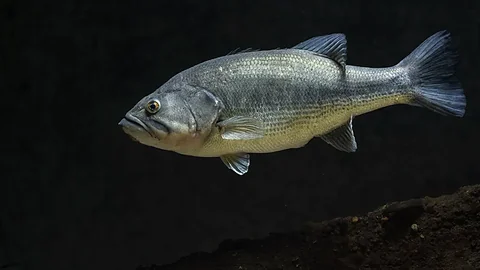
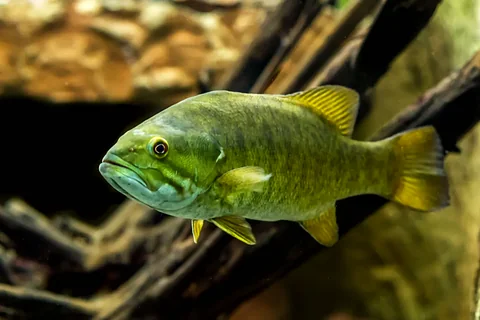
Regulations vary by area and can change in-season — always check the official rules for your area before you fish. Regulations guide →
Plan a trip for Striped Bass
Build today's plan