
Saltwater · Cold-water fish; best late winter into spring and again in fall
Winter Flounder
Pseudopleuronectes americanus
The cold-water flatfish of northeast harbours — winter flounder slide into shallow bays in late winter and spring and pick tiny baits off the mud with the softest of bites. Patience, small hooks and fresh worms are the whole game.
Seasons · Peak
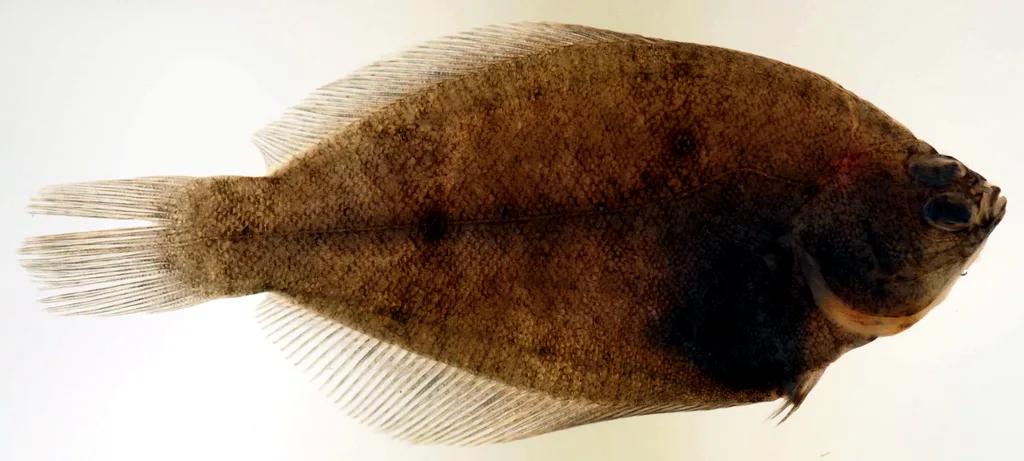
Identifying features
- A right-eyed flatfish: both eyes sit on the dark, right-hand side of the body
- Dark brown to almost black top side, sometimes with faint rusty mottling; white underside
- Very small mouth with thick lips — built for picking tiny clams and worms, unlike big-mouthed fluke
- Thick, heavy body for its size, with a nearly straight lateral line
- Look-alike: summer flounder are left-eyed with a large, toothy mouth and eye-like spots; starry flounder carry black-and-white barred fins
Habits
- Moves into shallow bays, harbours and estuaries in late winter and spring to spawn, offshore in summer heat
- Feeds on tiny clams, shrimp, worms and amphipods sucked from mud and sand
- A daylight feeder that bites best on a moving tide over soft bottom
- Lies half-buried and almost motionless — the bite is a faint tap, not a pull
Distribution
Where to find them
- Mud and sand flats inside New England and Long Island harbours in 10-30 ft
- Estuary channels and creek mouths in the Gulf of Maine and the Maritimes
- Sandy edges beside mussel beds and eelgrass in Nova Scotia and PEI bays
- Pier and dock edges over soft bottom in early spring
Where they live
How to catch them
Chumming over mud flats
Rig: Two-hook spreader rig with small hooks, chum pot of crushed clams and mussels on the bottom
Bait/lure: Bloodworm, sandworm or clam pieces
Key tip: Chum draws flounder from a wide area. Fish baits dead still on the bottom and lift slowly at the first tap.
Slow drifting channels
Rig: Light bottom rig drifted slowly across channel edges
Bait/lure: Worm pieces tipped with clam
Key tip: Keep the drift slow and the rig on the bottom. Winter flounder will not chase — the bait must come to them.
Best baits & lures
Baseline setup
- Rod: 6 ft 6 in-7 ft light boat or spinning rod
- Line: 10-15 lb braid or mono
- Terminal: Spreader rigs, small hooks size 4-6, chum pot
Recommended gear for this species
Rod · Best value
9' 5-weight fly rod outfit
≈ US$180-260
Covers chironomid lakes and small rivers with one setup.
Flies · Budget
Chironomid assortment (30 patterns)
≈ US$25-40
Chironomids are 60% of a lake rainbow's diet in spring.
Picks come from our rule library — never paid placements. Prices are guides; affiliate links may earn us a commission.
Typical size
Common 0.5-2 lb (12-15 in); large specimens 3-5 lb
On the table
Excellent — sweet, delicate, fine-flaked flesh; one of the best-loved food fish of the northeast, classic as fillets.
Similar species
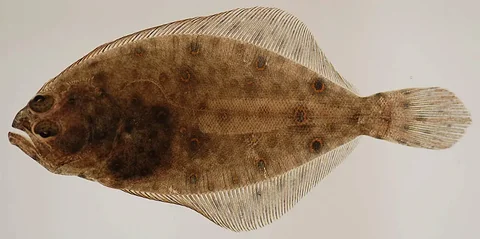 Summer FlounderSummer flounder (fluke) are left-eyed with a big toothy mouth and eye-like spots; winter flounder are right-eyed with a tiny mouth and plain dark back
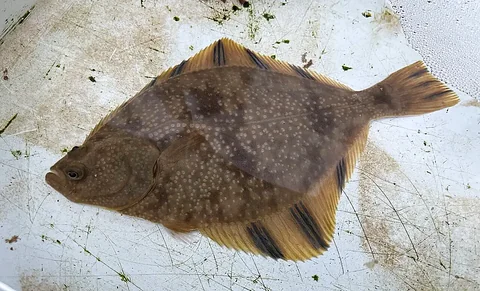 Starry FlounderStarry flounder have black-and-white barred dorsal and anal fins and rough, star-like scales; winter flounder fins are plain
Regulations vary by area and can change in-season — always check the official rules for your area before you fish. Regulations guide →
Plan a trip for Winter Flounder
Build today's plan