Saltwater · Late spring through fall; fresh runs are best June to September
Atlantic Salmon
Salmo salar
The classic fly-rod salmon of Atlantic Canada and New England rivers. Atlantic salmon do not feed in fresh water, yet take swung and riffling flies with explosive surface strikes and long, leaping runs.
Seasons · Peak
Identifying features
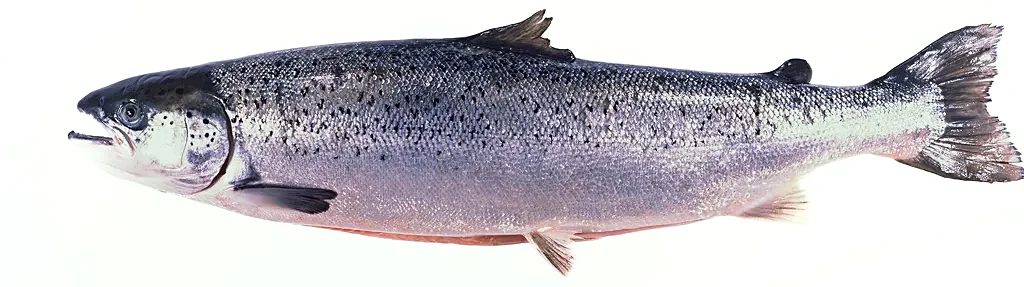
- Streamlined, silvery body with a blue-grey back and X-shaped black spots on the upper sides
- Tail fin is distinctly forked, with a narrow wrist before it
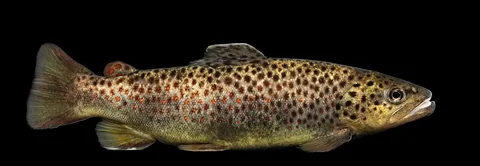
- Fewer, larger spots than a brown trout, and no red spots with halos
- Spawning fish bronze and darken; males develop a hooked lower jaw
- Look-alike: brown trout carry red and black spots with pale halos and a squarer tail
Habits
- Hold alone or in small groups in known lies in pools
- Do not feed in fresh water — they take flies out of reflex and irritation
- Most willing to rise in early morning, evening and on overcast days
- Move upstream on rising water after rain, then settle as levels fall
Distribution
Where to find them
- Heads and tailouts of named pools, fished by wading
- Lies behind large boulders and along current seams
- Deep holding pools below falls and ledges
Where they live
How to catch them
Swinging wet flies
Rig: Floating line, 9-12 ft leader, wet fly cast across and swung down
Bait/lure: Green Machine, Blue Charm, Undertaker patterns
Key tip: Cover a lie thoroughly, then rest it and try a smaller fly.
Dry fly and riffling hitch
Rig: Bomber-style dry fly, or a hitched wet fly skated on the surface
Bait/lure: Deer-hair bombers, hitched tube flies
Key tip: A waking fly over a known holding fish draws dramatic rises.
Best baits & lures
Baseline setup
- Rod: 9-10' 7-8 weight fly rod, or two-handed rod on big rivers
- Line: Floating fly line, 12-16 lb leader
- Terminal: Wet flies, dry bombers, tube flies
Recommended gear for this species
Trolling rod · Best value
10'6" mooching/trolling rod (medium-heavy)
≈ US$120-180
Long soft action absorbs flasher load and keeps barbless hooks pinned.
Reel · Budget
Line-counter or mooching reel, 300 size
≈ US$70-110
Repeatable depth is half of salmon trolling; a counter makes it repeatable.
Terminal · Budget
11" flasher + anchovy teaser heads (2-pack)
≈ US$25-35
The chinook standard on this coast. Greens and chartreuse first.
Picks come from our rule library — never paid placements. Prices are guides; affiliate links may earn us a commission.
Typical size
Common 5-10 lb; large specimens 20-30 lb
On the table
Excellent — firm pink flesh; best fresh.
Similar species
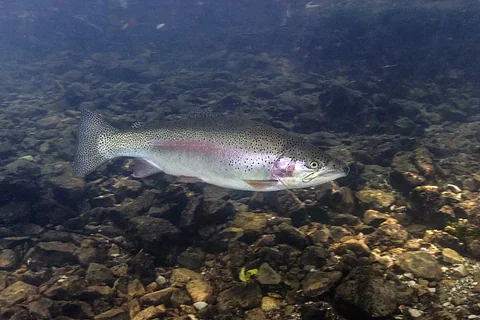
Regulations vary by area and can change in-season — always check the official rules for your area before you fish. Regulations guide →
Plan a trip for Atlantic Salmon
Build today's plan