Freshwater · Spring and early fall; summer fish retreat to cold springs and shade
Brook Trout
Salvelinus fontinalis
A beautifully marked char native to eastern North America, at home in cold creeks, beaver ponds and backcountry lakes. Brook trout are willing biters on small spinners, worms and dry flies, and a favourite of beginners.
Seasons · Peak
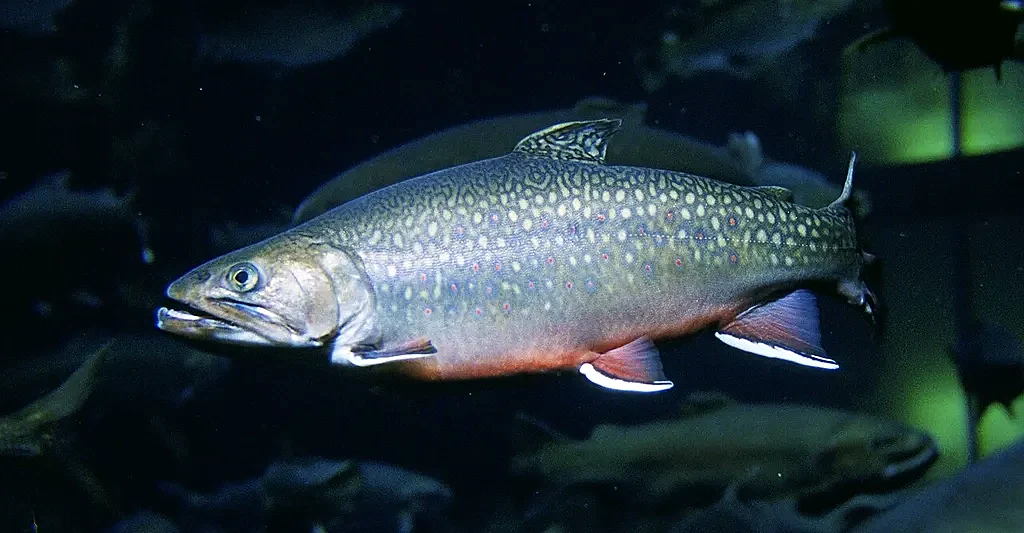
Identifying features
- Worm-like pale markings (vermiculations) across a dark olive back
- Red spots with blue halos scattered along the sides
- Square tail with a wavy pattern — brook trout are actually char
- Lower fins edged in white, backed by black; belly turns orange-red on spawning males
- Look-alike: lake trout are grey with pale bean-like spots, a deeply forked tail and no red spots
Habits
- Live only in cold, clean water and seek springs in summer heat
- Feed on insects, worms and small fish through the day
- Most active at dawn and dusk and on overcast days
- Hold in small groups in ponds, alone in tiny creeks
Distribution
Where to find them
- Plunge pools and undercut banks on small shaded creeks
- Beaver ponds, especially near the dam and inlet
- Spring holes and creek mouths in backcountry lakes
Where they live
How to catch them
Casting tiny spinners in creeks
Rig: 1/16-1/8 oz spinner on an ultralight rod
Bait/lure: Gold and silver spinners, small spoons
Key tip: Cast upstream to pool heads and retrieve just fast enough to spin.
Dry fly on ponds
Rig: 9' 4-weight fly rod, floating line, dry fly
Bait/lure: Adams, elk-hair caddis and ant patterns
Key tip: Watch for rise rings at dusk and cover them with a gentle cast.
Best baits & lures
Baseline setup
- Rod: 6-7' ultralight spinning rod or 9' 4-weight fly rod
- Line: 4-6 lb mono / floating fly line
- Terminal: Tiny spinners, small hooks, dry flies
Recommended gear for this species
Rod · Best value
9' 5-weight fly rod outfit
≈ US$180-260
Covers chironomid lakes and small rivers with one setup.
Flies · Budget
Chironomid assortment (30 patterns)
≈ US$25-40
Chironomids are 60% of a lake rainbow's diet in spring.
Picks come from our rule library — never paid placements. Prices are guides; affiliate links may earn us a commission.
Typical size
Common 8-14 inches; large specimens 18 inches / 3 lb+ in remote lakes
On the table
Excellent — sweet, delicate flesh; best fresh, pan-fried.
Similar species
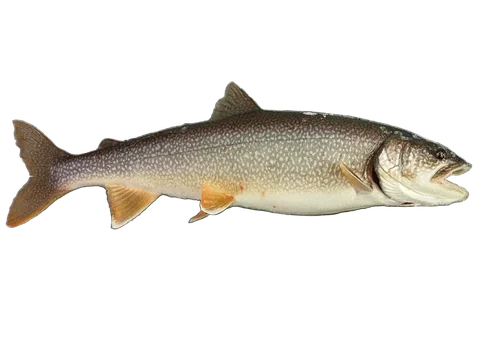
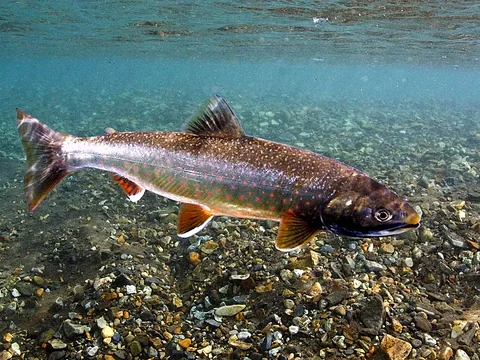
Regulations vary by area and can change in-season — always check the official rules for your area before you fish. Regulations guide →
Plan a trip for Brook Trout
Build today's plan