
Freshwater · Late spring spawn; summer on the flats and channels
Freshwater Drum
Aplodinotus grunniens
North America's croaker gone inland — the freshwater drum 'sheepshead' drums over spring shoals, crushes zebra mussels by the thousand, and fights far above its reputation from Erie to Winnipeg.
Seasons · Peak
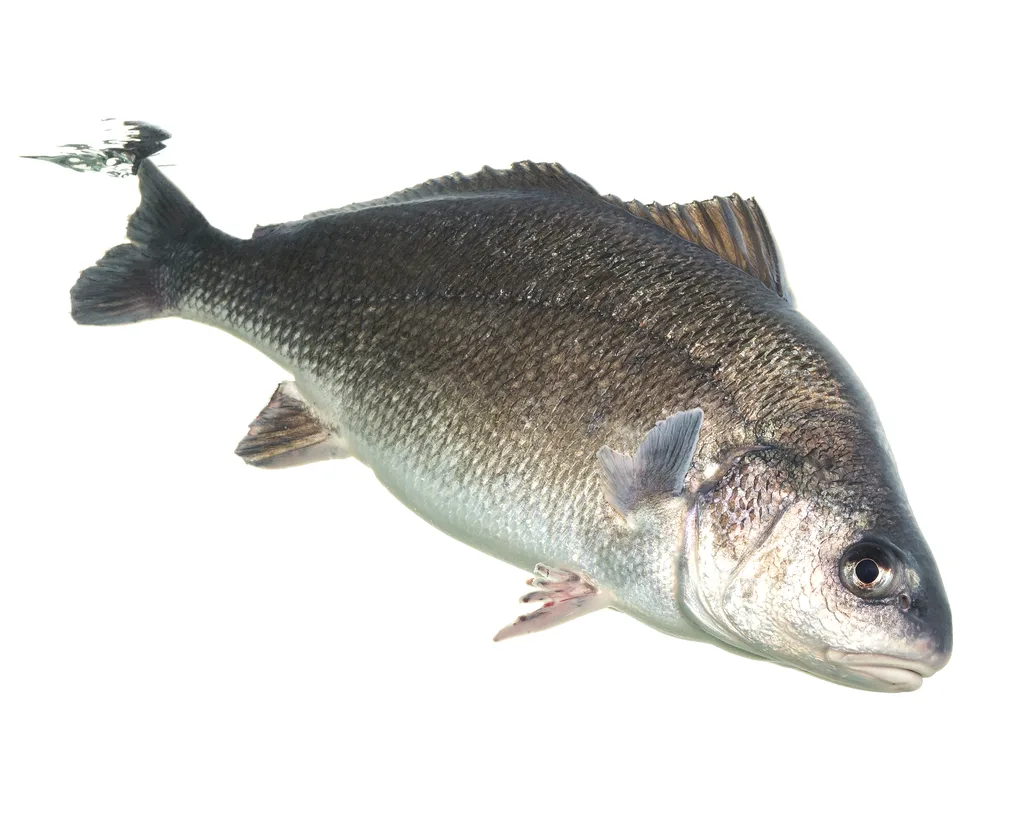
Identifying features
- A freshwater member of the croaker family — deep, humped back (especially old males) and a blunt, downturned mouth
- Two connected dorsal fins: the first spiny and tall, the second long and soft
- Silvery-grey to bronze with no bold marks; lower fins often flushed with orange in spawning males
- Special throat teeth crush mussels and crayfish; the underslung mouth is built for bottom feeding
- No chin barbels — the black drum's fringed, bearded chin sets the cousins apart; a freshwater drum's chin is always smooth
Habits
- Renowned for its voice: males drum their swim bladders to call mates over spring spawning shoals
- Bottom feeder on zebra mussels, crayfish, snails and insect larvae, crushed by throat teeth
- Schools roam lake flats and river channels; often mixed with walleye catches on the same drifts
- Feeds day and night, with strong dawn and evening bites in summer
Distribution
Where to find them
- Lake Erie and Lake Winnipeg — the drum capitals of the continent
- Mississippi and Missouri river channels and wing dams
- Red River of the North (Manitoba/North Dakota) and Lake of the Woods
Where they live
How to catch them
Bottom fishing the channels
Rig: Slip sinker, 1/0 circle hook, nightcrawler or crayfish
Bait/lure: Nightcrawler on a slip-sinker rig
Key tip: Drum bite lightly for their size — watch the line, not just the rod tip.
Jigging the shoals
Rig: Medium spinning gear, jig worked slow on bottom
Bait/lure: 1/4 oz jig and minnow or soft plastic
Key tip: In spring you'll hear them before you see them — drum calls carry through a boat hull.
Best baits & lures
Baseline setup
- Rod: 7' medium spinning rod
- Line: 10-17 lb mono
- Terminal: Bottom rigs, slip sinkers, small jigs, circle hooks
Recommended gear for this species
Rod · Best value
9' 5-weight fly rod outfit
≈ US$180-260
Covers chironomid lakes and small rivers with one setup.
Flies · Budget
Chironomid assortment (30 patterns)
≈ US$25-40
Chironomids are 60% of a lake rainbow's diet in spring.
Picks come from our rule library — never paid placements. Prices are guides; affiliate links may earn us a commission.
Typical size
Common 1-5 lb; large specimens 10-25 lb
On the table
Good — 'poor man's shrimp': firm, sweet flesh with a unique texture; fillet carefully around the floating ribs.
Similar species
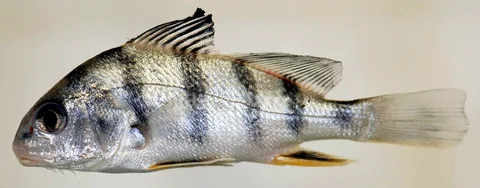
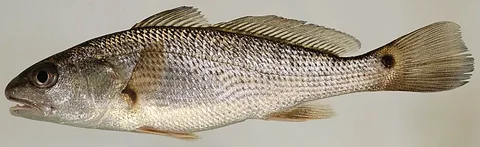
Regulations vary by area and can change in-season — always check the official rules for your area before you fish. Regulations guide →
Plan a trip for Freshwater Drum
Build today's plan