
Saltwater · Summer and fall in California; boom years reach the Pacific Northwest
Pacific Mackerel
Scomber japonicus
The west coast's bait-machine — Pacific mackerel swarm piers and kelp lines in green-backed schools, keeping pier kids busy and filling bait tanks for the whole fishery.
Seasons · Peak
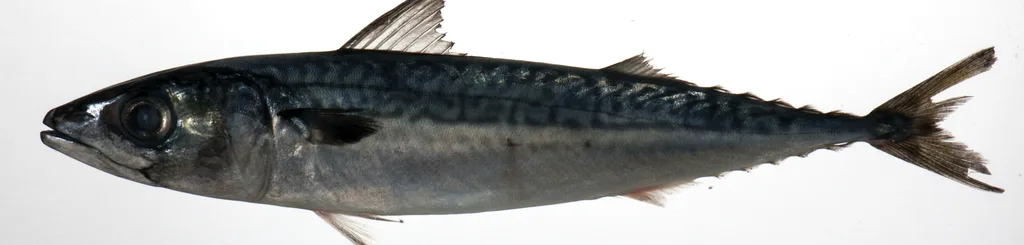
Identifying features
- Dark green-blue back with wavy, worm-like dark bars breaking into spots along the flank
- Silvery belly with a series of dusky spots below the lateral line on many fish
- No scales behind the head and pectoral area pattern of Spanish mackerel; body is round, not flattened
- Small finlets behind the second dorsal and anal fins, mackerel-style
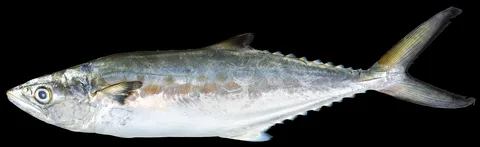
- Look-alike: Spanish mackerel (Atlantic/Gulf) carry clean golden spots; Pacific mackerel show the wavy barred back
Habits
- Travels in large surface schools that ripple the water — 'mackerel boils' under working birds
- The Pacific coast's universal baitfish: everything from yellowtail to marlin eats them
- Irregular visitor in the north — big years flood Puget Sound and BC, lean years they vanish
- Feeds on anchovies, krill and fish larvae, day and night
Distribution
Where to find them
- Southern California piers, kelp lines and the bait receivers
- Monterey Bay and the central California coast in summer
- Boom-year invasions of Puget Sound marinas and BC harbours
Where they live
How to catch them
Sabiki jigging
Rig: Sabiki rig under a small weight or torpedo sinker, light rod
Bait/lure: Nothing needed — the hooks are dressed with tiny flies and skin
Key tip: Jig gently near the bottom of the school; a loaded sabiki of mackerel is a workout on its own.
Casting to boils
Rig: Light spinning rod, 1/2 oz metal jig
Bait/lure: Small metal jig in green/silver
Key tip: Match the hatch: when mackerel feed on krill, go tiny or go home.
Best baits & lures
Baseline setup
- Rod: Light spinning rod
- Line: 8-15 lb mono
- Terminal: Sabiki rigs, small spoons, tiny jig heads
Recommended gear for this species
Rod · Best value
9' 5-weight fly rod outfit
≈ US$180-260
Covers chironomid lakes and small rivers with one setup.
Flies · Budget
Chironomid assortment (30 patterns)
≈ US$25-40
Chironomids are 60% of a lake rainbow's diet in spring.
Picks come from our rule library — never paid placements. Prices are guides; affiliate links may earn us a commission.
Typical size
Common 1/2-2 lb; large specimens 3-4 lb
On the table
Oily and strong fresh; excellent pickled, smoked, or as sashimi when very fresh. Most are caught for bait.
Similar species
Regulations vary by area and can change in-season — always check the official rules for your area before you fish. Regulations guide →
Plan a trip for Pacific Mackerel
Build today's plan