Saltwater · Year-round in Hawaii and the tropics; summer and fall along the US coasts
Yellowfin Tuna
Thunnus albacares
The 'ahi' of Hawaii and the glamour tuna of the Gulf and Baja — a fast, surface-feeding school fish that rewards anglers who read birds, currents and temperature breaks.
Seasons · Peak
Identifying features
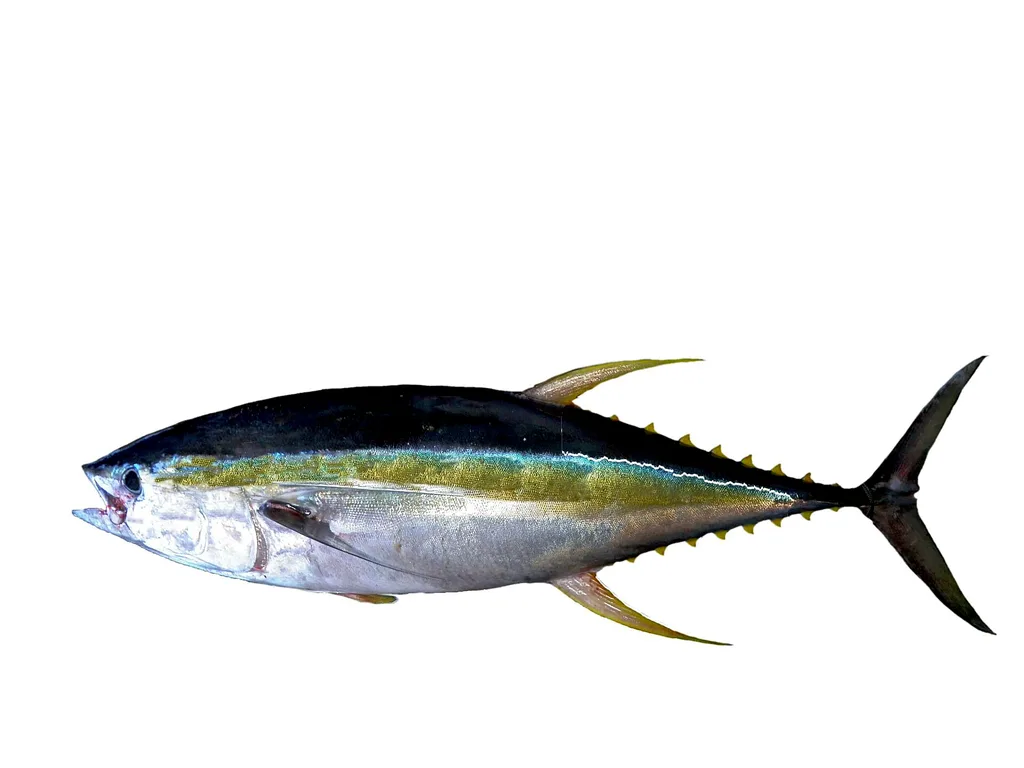
- Second dorsal and anal fins are long and sickle-shaped, bright yellow in adults
- Golden-yellow stripe along the flank and yellow finlets behind the rear fins
- Torpedo body, dark metallic blue back fading to a silvery belly
- Smaller and slimmer than bluefin; rarely over 200 lb in North American waters
- Look-alike: skipjack tuna are much smaller, with dark horizontal stripes on the belly
Habits
- Travels in fast schools, often mixed with skipjack and dolphins in the Pacific
- Feeds at the surface on flying fish, squid and sardines, pushing bait into visible boils
- Follows warm currents, temperature breaks and offshore floating debris
- Strongest bites come early morning and during current changes around seamounts
Distribution
Where to find them
- Offshore seamounts, FADs (fish aggregating devices) and floating debris
- Temperature breaks where warm blue water meets cooler green water
- Bird flocks working bait at the surface — troll or cast around the edges
- Deep ledges off Hawaii, the Gulf Stream edge off Florida, and the Baja coast
Where they live
How to catch them
Trolling skirted lures
Rig: Trolling rod, 5-7 lure spread at 6-8 knots
Bait/lure: Skirted lures, cedar plugs and jet heads in blue/white and green/yellow
Key tip: Work the edges of bird piles and current lines rather than through the middle.
Live-baiting at FADs and buoys
Rig: 30-50 lb spinning or conventional outfit, 60 lb fluorocarbon leader
Bait/lure: Live sardines, scad (opelu) or small mackerel
Key tip: Chum a few baits to raise the school, then pitch a hooked bait into the boil.
Best baits & lures
Baseline setup
- Rod: 5'6"-6'6" trolling rod, 30-50 lb class
- Line: 50-80 lb braid with a mono top-shot
- Terminal: Skirted lures, 100 lb fluorocarbon or mono leaders
Recommended gear for this species
Rod · Best value
9' 5-weight fly rod outfit
≈ US$180-260
Covers chironomid lakes and small rivers with one setup.
Flies · Budget
Chironomid assortment (30 patterns)
≈ US$25-40
Chironomids are 60% of a lake rainbow's diet in spring.
Picks come from our rule library — never paid placements. Prices are guides; affiliate links may earn us a commission.
Typical size
Common 20-80 lb; large specimens 150 lb and up
On the table
Excellent — the classic 'ahi' of sashimi and seared steaks. Ice immediately; best eaten very fresh.
Similar species
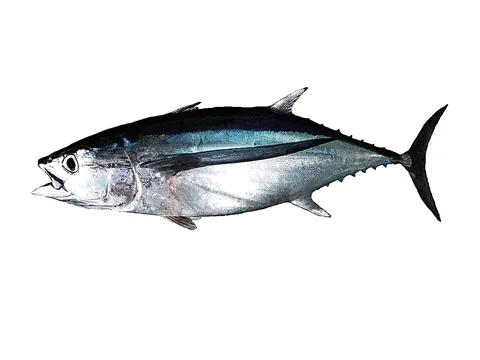
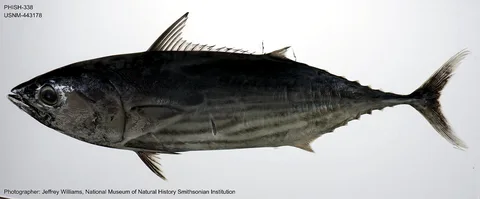
Regulations vary by area and can change in-season — always check the official rules for your area before you fish. Regulations guide →
Plan a trip for Yellowfin Tuna
Build today's plan