Freshwater · Spring spawning runs — 'shad darts' season from March in the south to June in the north
American Shad
Alosa sapidissima
The poor man's salmon — a giant herring that runs Atlantic and (introduced) Pacific rivers each spring in millions, and fights far above its weight on shad darts.
Seasons · Peak
Identifying features
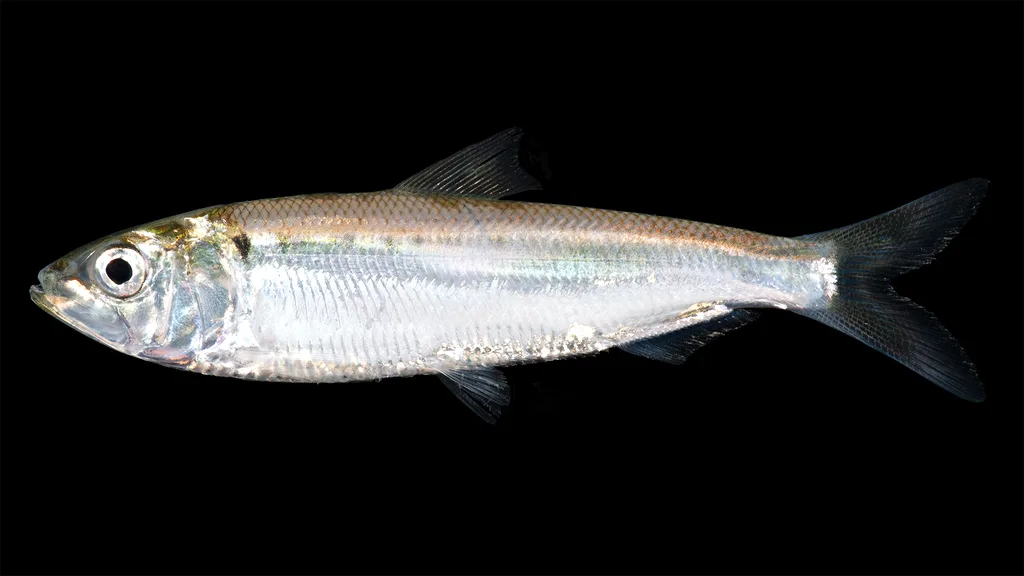
- Deep, compressed herring body in bright silver with a green-blue back
- A row of dark spots along the shoulder behind the gill cover, fading down the flank
- Deeply forked tail and a single dorsal fin — no adipose fin, unlike salmon
- Adults run 3-6 lb on the spawning migration
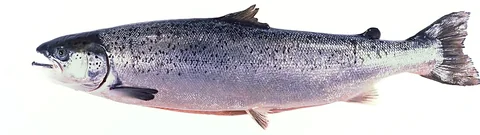
- Look-alike: Atlantic salmon carry an adipose fin and spotted backs; shad are spotless-backed herring with shoulder spots only
Habits
- Runs from the sea into coastal rivers each spring to spawn over gravel
- Introduced to the Pacific in the 1800s — now runs the Sacramento and Columbia in millions
- Feeds on plankton and small shrimp; in rivers it strikes tiny bright darts out of reflex
- Leaps and tears line on light tackle — 'the poor man's salmon'
Distribution
Where to find them
- The Delaware, Susquehanna and Connecticut Rivers on the spring run
- St. Johns River (Florida) winter run and the St. Lawrence in May-June
- The Columbia River below Bonneville Dam — the world's biggest shad run
- Sacramento and Feather Rivers in California
Where they live
How to catch them
Casting shad darts
Rig: Light spinning rod, tiny dart on a swivel, split shot to depth
Bait/lure: Shad darts in chartreuse/pink; small gold spoons
Key tip: Fish the current seams and let the dart swing — shad take on the swing and the hang-down.
Anchored dart fishing (Columbia style)
Rig: Two darts on dropper lines behind a diver or weight
Bait/lure: Bright darts in gold and chartreuse
Key tip: Anchor in the travel lane below the dam and let the current work the darts in place.
Best baits & lures
Baseline setup
- Rod: 6'6"-7' light spinning rod
- Line: 6-8 lb mono
- Terminal: Shad darts, small spoons, split shot
Recommended gear for this species
Rod · Best value
9' 5-weight fly rod outfit
≈ US$180-260
Covers chironomid lakes and small rivers with one setup.
Flies · Budget
Chironomid assortment (30 patterns)
≈ US$25-40
Chironomids are 60% of a lake rainbow's diet in spring.
Picks come from our rule library — never paid placements. Prices are guides; affiliate links may earn us a commission.
Typical size
Common 2-5 lb; large females 6 lb and up
On the table
Famous roe and rich flesh, but famously bony — best baked slowly or pickled by those who know how. Most sport fish are released.
Similar species
Regulations vary by area and can change in-season — always check the official rules for your area before you fish. Regulations guide →
Plan a trip for American Shad
Build today's plan