
Saltwater · Spring and summer runs along the coast; peak late spring through summer
Atlantic Mackerel
Scomber scombrus
The silver staple of Atlantic piers — Atlantic mackerel arrive in huge spring and summer schools from Newfoundland to New York and hit small feathers and sabiki rigs as fast as you can drop them. A perfect first saltwater fish and prime bait besides.
Seasons · Peak
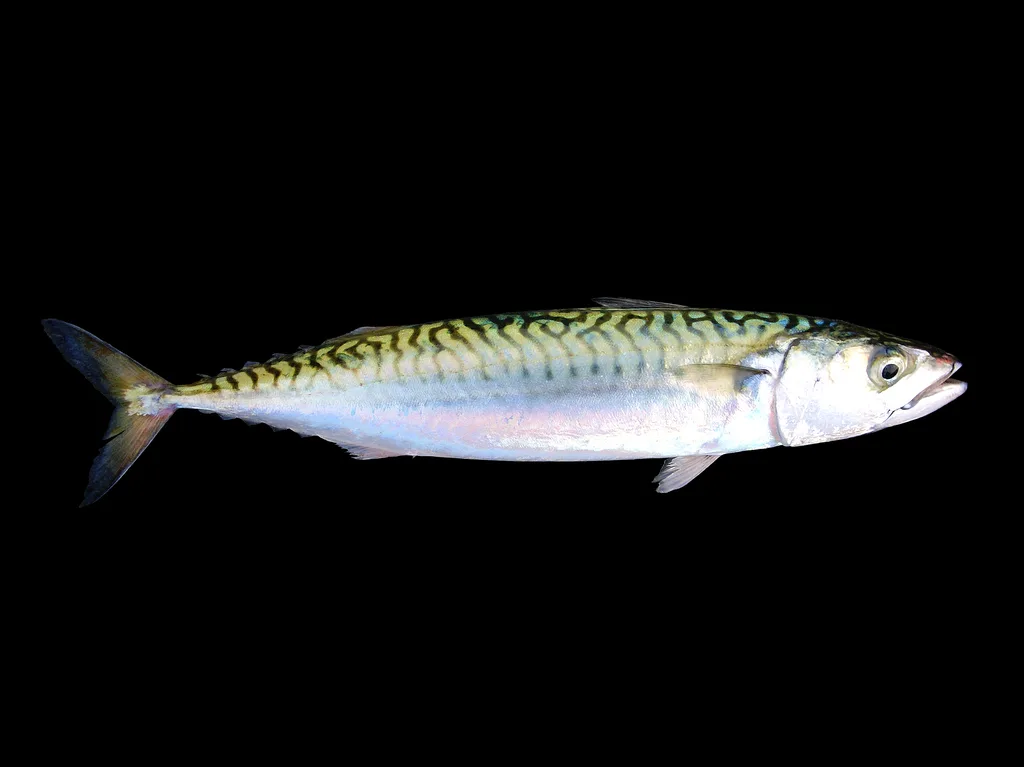
Identifying features
- Steel-blue to green back crossed by bold, wavy black bars that fade below the lateral line
- Silvery-white belly with no spots or bars — clean below the midline
- Small finlets behind the dorsal and anal fins, and a deeply forked tail
- No swim bladder, so it must keep swimming — it never sits still
- Look-alike: Pacific mackerel are the west-coast species with bars breaking into speckles below the midline; Spanish mackerel carry round golden spots
Habits
- Travels in huge, dense schools that move inshore in spring and summer to feed and spawn
- Feeds on krill, sand lance, herring fry and other tiny prey near the surface
- A fast, restless fish — schools appear and vanish quickly, marked by birds and surface splashes
- Migrates south and offshore in fall as water cools
Distribution
Where to find them
- Wharves, piers and breakwaters in Maine, Nova Scotia and the Gulf of St. Lawrence
- Surface schools off New England beaches and harbour mouths
- Tide rips and channels off Newfoundland and Prince Edward Island
- Party-boat grounds over inshore banks from New York to Maine
Where they live
How to catch them
Sabiki and feather rigs from piers
Rig: Multi-hook sabiki or mackerel tree under a small sinker, jigged in short lifts
Bait/lure: Feathered or fish-skin sabiki hooks, unbaited
Key tip: When a school passes, drop straight down and jig steadily — doubles and triples are normal. Keep a bucket ready.
Casting small jigs to schools
Rig: Small diamond jig or spoon on light spinning gear
Bait/lure: 1-2 oz diamond jigs, tiny silver spoons
Key tip: Cast to the edges of feeding schools marked by diving birds and retrieve fast with sharp jerks.
Best baits & lures
Baseline setup
- Rod: 7-8 ft light spinning rod
- Line: 10-15 lb mono or braid
- Terminal: Sabiki rigs, diamond jigs, small spoons
Recommended gear for this species
Rod · Best value
9' 5-weight fly rod outfit
≈ US$180-260
Covers chironomid lakes and small rivers with one setup.
Flies · Budget
Chironomid assortment (30 patterns)
≈ US$25-40
Chironomids are 60% of a lake rainbow's diet in spring.
Picks come from our rule library — never paid placements. Prices are guides; affiliate links may earn us a commission.
Typical size
Common 0.5-1.5 lb (12-16 in); large specimens 2 lb and up
On the table
Very good — rich, oily and full-flavoured; superb grilled, smoked or pickled, and prime bait for bigger fish.
Similar species
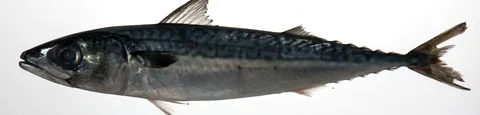 Pacific MackerelPacific mackerel are the Pacific species, with wavy bars breaking into dark speckles below the lateral line; Atlantic fish are clean silver below the midline
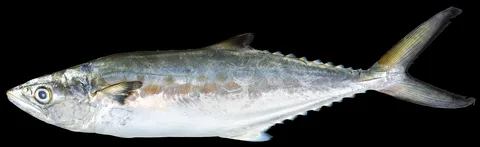 Spanish MackerelSpanish mackerel carry distinct round golden spots on an unbarred back; Atlantic mackerel wear wavy black back bars and no spots
Regulations vary by area and can change in-season — always check the official rules for your area before you fish. Regulations guide →
Plan a trip for Atlantic Mackerel
Build today's plan