
Freshwater · Year-round in South Florida; best from March to June around spawning
Butterfly Peacock Bass
Cichla ocellaris
A South American cichlid deliberately stocked in South Florida canals since 1984 — a legal, managed introduction, not an illegal invasive. It cannot survive water below about 59°F (15°C), which is why it stays in South Florida. A hard-hitting visual predator, it is now a signature Miami canal gamefish.
Seasons · Peak
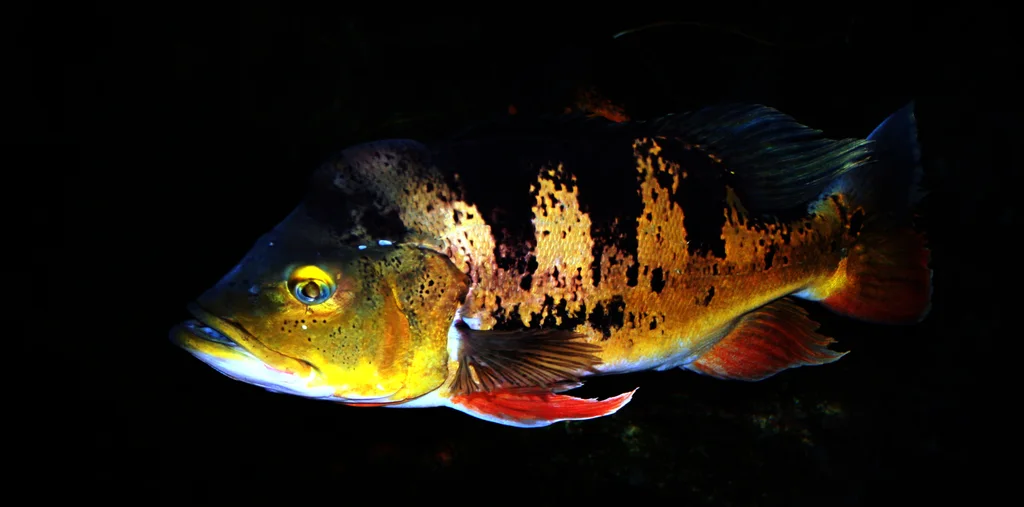
Identifying features
- Large black eyespot ringed with gold at the base of the tail — the namesake mark
- Three dark vertical bars along the olive-gold side
- Deep, laterally compressed cichlid body with a large mouth
- Breeding males grow a pronounced hump on the forehead
- Cold sensitivity is itself a clue: it never persists north of South Florida
Habits
- Day-active visual ambush predator of canal edges and structure
- Feeds mainly on small fish, including sunfish and tilapia
- Pairs guard eggs and fry aggressively in spring and early summer
- Dies in water below about 59°F (15°C), so cold snaps cause fish kills
- Most active in warm midday water, sluggish on cool mornings
Distribution
Where to find them
- Miami-Dade canals, including the Tamiami Canal system
- Broward County canals around Fort Lauderdale
- Palm Beach County lakes and canals such as Lake Ida
Where they live
How to catch them
Jerkbaits, prop baits and live shiners in the canals Shore
Rig: Medium spinning or baitcasting outfit, jerkbait, prop bait or a live shiner under a small float, worked along Miami-area canal edges, bridges and culverts
Bait/lure: Live shiners, jerkbaits, prop baits
Key tip: Work baits fast and close to cover — peacocks chase down prey in warm water and often strike a second time after a miss.
Fly fishing with streamers along canal edges Shore
Rig: 7-9 weight fly rod, floating line and bright streamer flies cast tight to canal banks, rocks and dock shadows
Bait/lure: Streamer flies
Key tip: Strip fast with pauses; a following peacock that refuses will often eat when the fly suddenly speeds up.
Best baits & lures
Baseline setup
- Rod: Medium 6.5-7 ft spinning or baitcasting rod
- Line: 10-17 lb braid or mono
- Terminal: Jerkbaits, prop baits, streamer flies, small floats for shiners
Recommended gear for this species
Rod · Best value
7'3" medium-heavy casting rod
≈ US$100-150
One rod for jigs, Texas rigs and frogs — the bass workhorse.
Reel · Budget
7.1:1 baitcasting reel
≈ US$80-120
Fast retrieve for pitching and quickly taking up slack on hooksets.
Line · Budget
15 lb fluorocarbon (200 yd)
≈ US$18-25
Invisible in clear water, sensitive on rock, abrasion resistant.
Picks come from our rule library — never paid placements. Prices are guides; affiliate links may earn us a commission.
Typical size
Common 2-4 lb (0.9-1.8 kg); large fish 6-9 lb (2.7-4.1 kg)
On the table
Good firm white flesh, though many canal anglers release them; check local water-quality advisories first.
Similar species
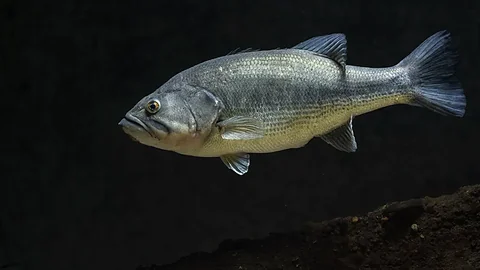 Largemouth BassLargemouth bass has a dark horizontal stripe and no tail eyespot; butterfly peacock bass has three vertical bars and a gold-ringed eyespot at the tail base
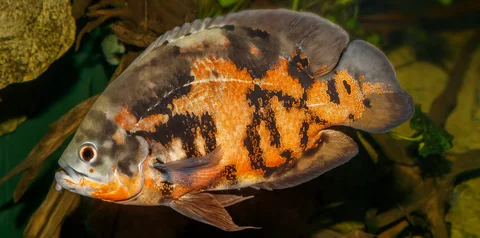 OscarOscar is a rounder, slower aquarium cichlid with a small red-ringed tail spot and no three-bar pattern; butterfly peacock bass is a longer, faster gamefish with bold vertical bars
Regulations vary by area and can change in-season — always check the official rules for your area before you fish. Regulations guide →
Plan a trip for Butterfly Peacock Bass
Build today's plan