
Saltwater · Year-round; best June to October over reefs and rocky bottom
California Scorpionfish
Scorpaena guttata
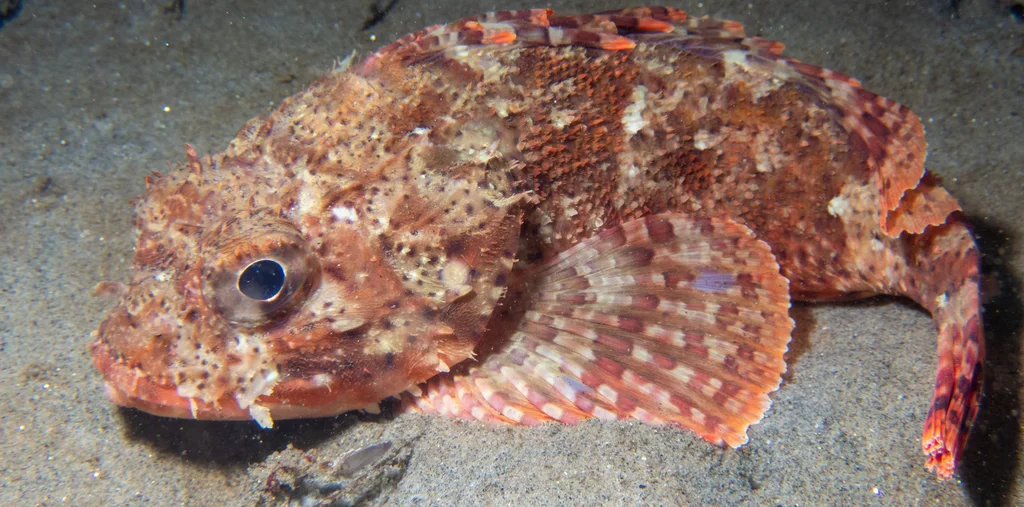
A stocky, spotted scorpionfish of Southern California reefs, called 'sculpin' locally but a true scorpionfish, not a sculpin. SAFETY FIRST: its dorsal, anal and pelvic spines are VENOMOUS and cause the most common sting injury on Southern California boats — never handle it bare-handed; use pliers and keep hands away from the spines. If stung, soak in hot water and seek medical care. Once handled safely it is excellent eating.
Seasons · Peak
Identifying features
- Stocky body mottled red-brown with many dark spots — 'guttata' means speckled
- VENOMOUS spines on the dorsal, anal and pelvic fins — never grip the body bare-handed
- Broad, spiny head with fleshy tabs and a downturned, grumpy mouth
- Skin flaps and camouflage colours that blend into reef and rock
- No scales on much of the head; rough, warty skin texture
Habits
- A bottom ambush predator that sits motionless on reef and rock by day
- Feeds at night on shrimp, crabs, octopus, squid and small fish
- Stings happen when fish flop on deck or are gripped — use pliers, cut the line if unsure
- For a sting: immerse in hot water about 110-113°F (43-45°C) for 30-90 minutes and seek medical care
- Most common in water about 15-180 ft (5-55 m) deep, moving deeper in winter
Distribution
Where to find them
- Southern California party-boat reefs and rocky bottom
- Rocky points, jetties and breakwaters in Southern California
- Wrecks and kelp-bed rocks off the Southern California coast
Where they live
How to catch them
Squid and shrimp on bottom rigs over reefs Boat
Rig: Medium rod, dropper-loop bottom rig with 2/0-3/0 hooks and enough weight to hold on reef and rocky bottom — the party-boat staple
Bait/lure: Squid strips, shrimp
Key tip: Drop straight onto rock and sand edges; unhook with pliers over the water or on deck — never bare hands.
Jigs tipped with squid around structure Rock fishing
Rig: Medium rod, 1-3 oz (28-85 g) jig or leadhead tipped with squid, worked slowly around wrecks, rocks and kelp edges
Bait/lure: Squid-tipped jig
Key tip: Fish it slow and tight to structure, and treat every landed fish as armed — keep fingers clear of the dorsal spines.
Best baits & lures
Baseline setup
- Rod: Medium 7 ft boat rod
- Line: 15-25 lb mono or braid
- Terminal: 2/0-3/0 hooks, dropper loops, 4-8 oz sinkers, long pliers
Recommended gear for this species
Rod · Best value
7'6" medium-heavy jigging rod
≈ US$110-170
Works 2-6 oz jigs over rock and reef and still has the backbone to lift a halibut off the bottom.
Line · Budget
50 lb braid with 40 lb leader (200 yd)
≈ US$25-40
Thin braid cuts the current so jigs stay vertical; the leader shrugs off rock and teeth.
Terminal · Budget
Leadhead jigs, swimbaits and two-hook bottom rigs
≈ US$25-40
A leadhead with a swimbait tail is the universal bottom-fish catcher, from rockfish to cod to flounder.
Picks come from our rule library — never paid placements. Prices are guides; affiliate links may earn us a commission.
Typical size
Common 8-12 in (20-30 cm); large to about 17 in (43 cm) and 3 lb (1.4 kg)
On the table
Excellent — firm, white, sweet flesh, highly prized once the venomous spines are safely avoided.
Similar species
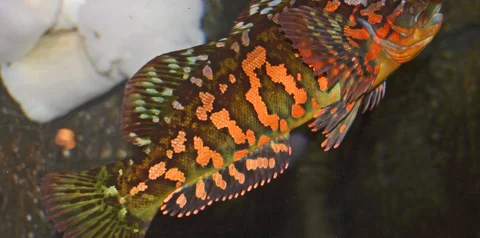 Rock GreenlingRock greenling is slimmer and greenish with a long body and no venomous spines; scorpionfish is stocky, red-brown and speckled with venomous fin spines
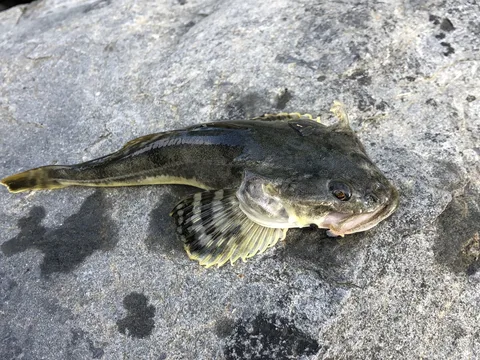 Pacific Staghorn SculpinStaghorn sculpin is a small, smooth-skinned bay fish with antler-like cheek spines and no venom; the scorpionfish is larger, heavily speckled and venomous
Regulations vary by area and can change in-season — always check the official rules for your area before you fish. Regulations guide →
Plan a trip for California Scorpionfish
Build today's plan