
Saltwater · Year-round in Brazil; most often reported in warm months
Dwarf Mullet
Mugil curvidens
A small Brazilian mullet whose supposed Caribbean records are now attributed to the fantail mullet (Mugil trichodon); verified fish are known only from Brazil and Ascension Island, so it sits outside this guide's regions.
Seasons · Peak
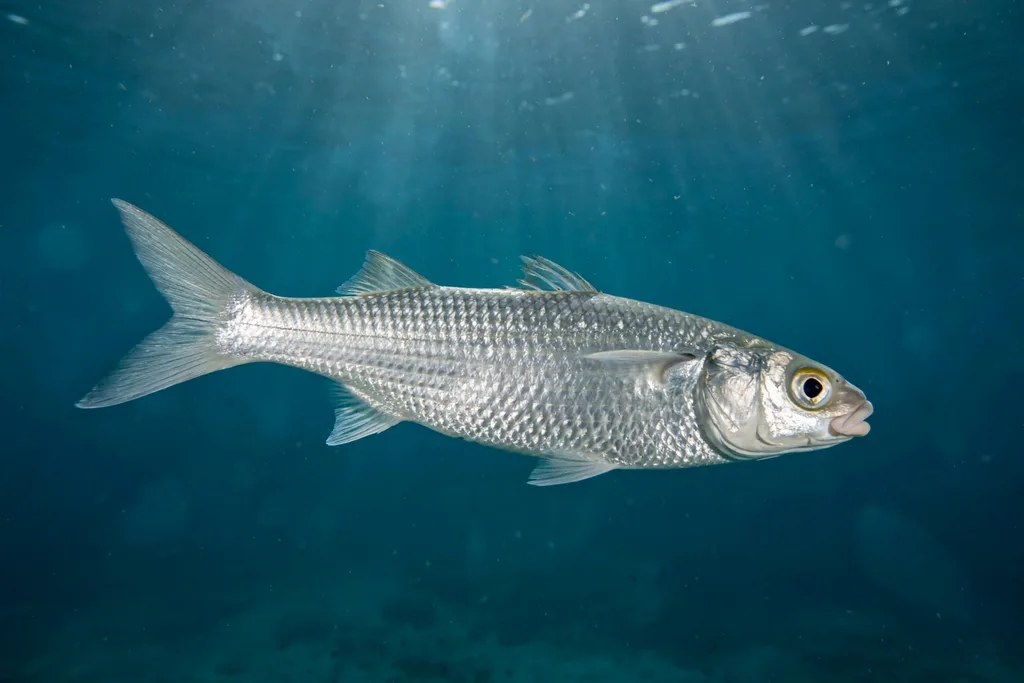
Identifying features
- Small mullet, most fish well under 30 cm
- Upper-jaw teeth conspicuously curved — the source of the name curvidens
- Anal fin with 8 soft rays (the Caribbean look-alike has 9)
- Silvery body with a deeper body at the first dorsal fin than at the anal fin
- Juveniles often in rock pools and very shallow sand
Habits
- Feeds on algae and detritus grazed from sand and rock
- Schools in very shallow coastal water, 0-5 m
- Juveniles shelter in rock pools at low tide
- Spawns offshore with pelagic, non-adhesive eggs
Distribution
Regional coverage expanding
Where to find them
- Sandy shore shallows on the Brazilian coast
- Rock pools at low tide
- Calm estuary mouths with grazing schools visible
Where they live
How to catch them
Light float fishing with bread flake Shore
Rig: Sensitive float, split shot, size 12-16 fine-wire hook on 4-6 lb leader
Bait/lure: Pinch of fresh bread flake
Key tip: Feed little and often with mashed bread, cast past the school and draw the bait through it; mullet mouth baits softly, so strike at the first dip.
Dough paste on the bottom River
Rig: Tiny ledger rig with a size 12-14 hook and minimal weight
Bait/lure: Flour-and-water dough ball
Key tip: Fish estuary mouths where schools graze; keep the line light and set the hook gently — mullet have soft mouths.
Best baits & lures
Baseline setup
- Rod: Light 6-7 ft spinning or match rod
- Line: 6-8 lb mainline, 4-6 lb fluorocarbon leader
- Terminal: Size 12-16 fine-wire hooks, small floats and split shot
Recommended gear for this species
Rod · Best value
7'6" medium-heavy jigging rod
≈ US$110-170
Works 2-6 oz jigs over rock and reef and still has the backbone to lift a halibut off the bottom.
Line · Budget
50 lb braid with 40 lb leader (200 yd)
≈ US$25-40
Thin braid cuts the current so jigs stay vertical; the leader shrugs off rock and teeth.
Terminal · Budget
Leadhead jigs, swimbaits and two-hook bottom rigs
≈ US$25-40
A leadhead with a swimbait tail is the universal bottom-fish catcher, from rockfish to cod to flounder.
Picks are never paid placements. Prices are guides; price links are coming soon and none is an affiliate link yet.
Typical size
Common under 20 cm; maximum 34.3 cm TL
On the table
Minor local food fish in Brazil; flesh typical of small mullets, best fresh.
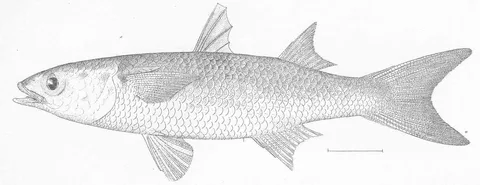
Similar species
Regulations vary by area and can change in-season — always check the official rules for your area before you fish. Regulations guide →
Plan a trip for Dwarf Mullet
Build today's plan⚠ Heads-up: Dwarf Mullet doesn't occur around Vancouver, BC (or is very rare there), so it's not a sensible local target. Your plan stays in Vancouver, BC and is built around the fish that actually live there.