
Freshwater · Encountered year-round; shoreline die-offs most visible in late fall and spring
Gizzard Shad
Dorosoma cepedianum
This is an encounter entry, honestly: the gizzard shad almost never takes a hook. It is a filter feeder common in the lower Great Lakes and southern Ontario and Quebec waters, and anglers meet it in winter shoreline die-offs and as snagged or legally netted bait — learning to identify it is the point.
Seasons · Peak
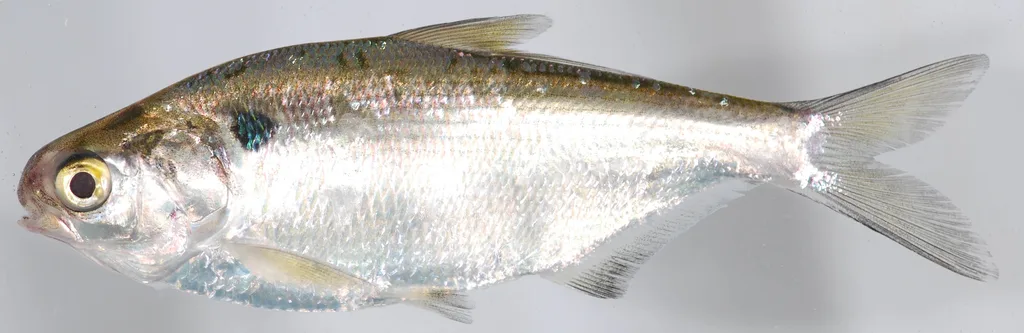
Identifying features
- Deep, compressed silvery body with a blunt, rounded snout
- Last ray of the dorsal fin elongated into a long filament
- Dark shoulder spot behind the gill cover on young fish, fading in adults
- Small, underslung mouth with no teeth — a filter feeder
- Belly with a sharp, saw-like keel of scutes
Habits
- Filter-feeds on plankton in open water of lakes and big rivers
- Huge schools roam the lower Great Lakes and connected waters
- Very sensitive to cold — winter die-offs wash fish onto shorelines
- Young shad are a key forage for walleye, bass and pike
- Adults grow too large for most predators and accumulate in fertile bays
Distribution
Where to find them
- Lower Great Lakes harbours and bays in Ontario
- Shorelines after winter die-offs — for identification, not fishing
- Warm-water outflows where schools gather in cold months
Where they live
How to catch them
Shoreline identification after die-offs Shore
Rig: No rod needed — examine winter-killed fish on lower Great Lakes shorelines to learn the dorsal filament and shoulder spot
Bait/lure: None — observation only
Key tip: Photograph and compare the elongated last dorsal ray; do not collect where rules forbid it.
Netted bait where legal Shore
Rig: Where regulations allow, a cast net or dip net in harbours takes shad for cut bait; check local rules first
Bait/lure: None — netted, not hooked
Key tip: Honest method only: this fish does not bite. Always confirm netting and bait use are legal in your water.
Best baits & lures
Baseline setup
- Rod: None for angling — observation or legal nets only
- Line: Not applicable
- Terminal: Cast net or dip net only where legal
Recommended gear for this species
Rod · Best value
9' 5-weight fly rod outfit
≈ US$180-260
Covers chironomid lakes and small rivers with one setup.
Flies · Budget
Chironomid assortment (30 patterns)
≈ US$25-40
Chironomids are 60% of a lake rainbow's diet in spring.
Picks come from our rule library — never paid placements. Prices are guides; affiliate links may earn us a commission.
Typical size
Common 10-14 in; large fish to about 18 in
On the table
Not eaten — oily and bony; valued only as cut or netted bait where legal.
Similar species
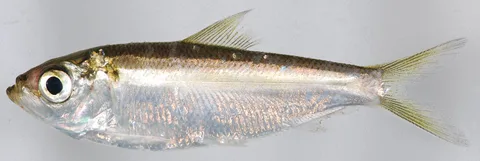
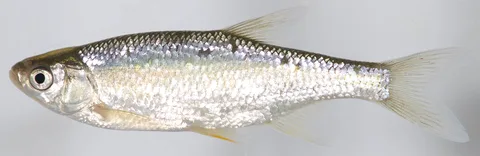
Regulations vary by area and can change in-season — always check the official rules for your area before you fish. Regulations guide →
Plan a trip for Gizzard Shad
Build today's plan