
Saltwater · Year-round in estuaries; adults move to saltier water to spawn May-October
Hogchoker
Trinectes maculatus
A tiny round American sole of muddy Atlantic and Gulf estuaries that even pushes far up tidal rivers; it is almost never a deliberate target, but turns up on the smallest bottom baits and is a classic encounter species.
Seasons · Peak
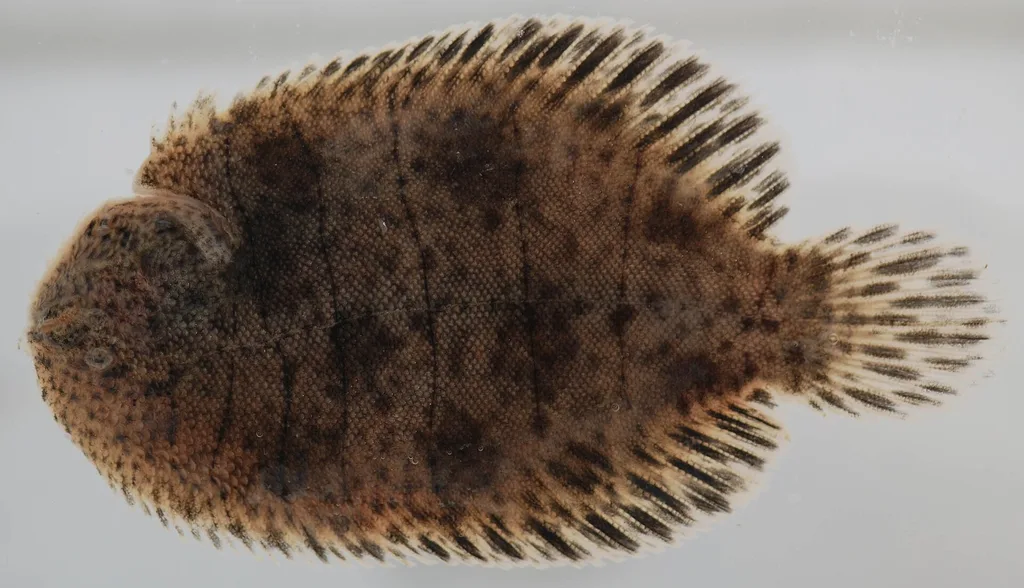
Identifying features
- Small round-oval sole, usually only 6-15 cm
- Eyes and colour on the right side of the body
- No pectoral fin on the eyed side — a naked patch instead
- Dark bars and blotches across the eyed side
- Thick, deep body for its size with a tiny mouth
Habits
- Lives on mud in turbid estuaries and tidal creeks
- Juveniles live far upstream, sometimes in almost fresh water
- Adults return to saltier lower estuaries to spawn in summer
- Sifts small invertebrates — worms and tiny crustaceans — from the sediment
Distribution
Where to find them
- Mud flats at the salt-fresh water interface
- Tidal creek mouths and grass-bed edges
- Lower-estuary mud in 1-10 m
Where they live
How to catch them
Micro bottom fishing in tidal creeks River
Rig: Ultra-light rod, size 14-18 hook, split shot on 4 lb line
Bait/lure: Tiny worm or shrimp piece
Key tip: Fish mud at creek mouths while targeting other estuary fish; hogchokers appear as surprise catches — handle gently and release.
Estuary mud-flat prospecting Shore
Rig: Light float or ledger rig with micro hooks
Bait/lure: Minute shrimp or worm pieces
Key tip: Work the low-salinity nursery edges at high tide; expect tiny taps and release everything — this species is for the species list, not the pan.
Best baits & lures
Baseline setup
- Rod: Ultra-light 5-6 ft spinning rod
- Line: 4-6 lb mono
- Terminal: Size 14-18 hooks, split shot, small floats
Recommended gear for this species
Rod · Best value
7'6" medium-heavy jigging rod
≈ US$110-170
Works 2-6 oz jigs over rock and reef and still has the backbone to lift a halibut off the bottom.
Line · Budget
50 lb braid with 40 lb leader (200 yd)
≈ US$25-40
Thin braid cuts the current so jigs stay vertical; the leader shrugs off rock and teeth.
Terminal · Budget
Leadhead jigs, swimbaits and two-hook bottom rigs
≈ US$25-40
A leadhead with a swimbait tail is the universal bottom-fish catcher, from rockfish to cod to flounder.
Picks are never paid placements. Prices are guides; price links are coming soon and none is an affiliate link yet.
Typical size
Common 6-15 cm; maximum 20 cm TL
On the table
Far too small to eat; always released — an identification and encounter fish, not a table fish.
Similar species
Regulations vary by area and can change in-season — always check the official rules for your area before you fish. Regulations guide →
Plan a trip for Hogchoker
Build today's plan⚠ Heads-up: Hogchoker doesn't occur around Vancouver, BC (or is very rare there), so it's not a sensible local target. Your plan stays in Vancouver, BC and is built around the fish that actually live there.