
Saltwater · Year-round at piers and rocks; winter-spring best
Japanese Surfperch
Ditrema temminckii
A year-round standard of Japanese piers, caught on rock and float rigs. Despite its name — 'umi-tanago' means sea bitterling — it is not a bitterling at all but a surfperch, and like all surfperches it is live-bearing. Do not lump it with the pure-freshwater yaritanago in this guide: the resemblance is name only.
Seasons · Peak
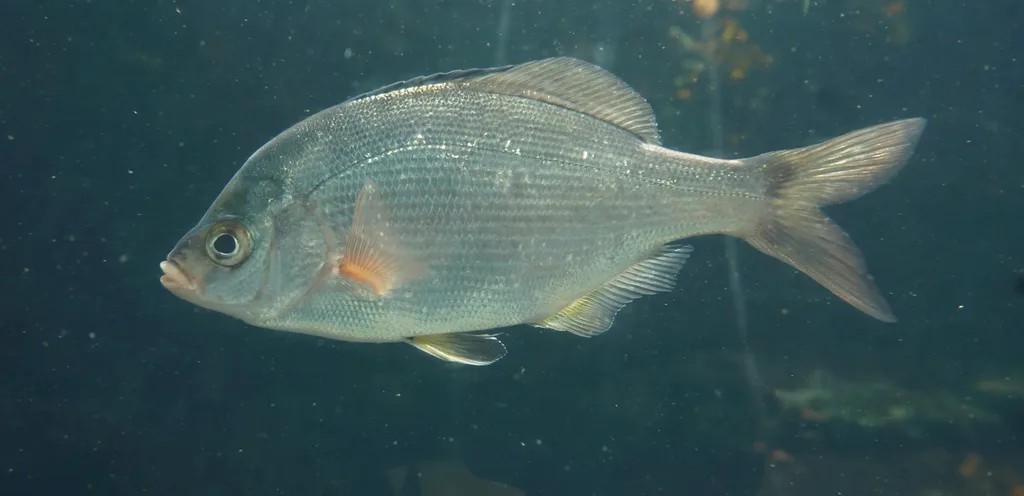
Identifying features
- Deep, oval, compressed silvery body — a surfperch shape, not a carp shape
- Small mouth and a long-based dorsal fin along the back
- Colour silvery olive to golden-brown, sometimes with faint darker mottling
- Tail moderately forked; fins often carry a yellowish tint
- Name trap: 'umi-tanago' means 'sea bitterling', but it is NOT a bitterling — it belongs to the surfperch family (Embiotocidae)
Habits
- Live-bearing: females give birth to fully formed young, mainly in spring — a surfperch family trait
- Feeds on small crustaceans, worms and other tiny invertebrates picked from rocks and weed
- Holds close to structure and kelp rather than open sand
- Most active in the cooler months around piers, though present all year
- Moves in small loose groups rather than tight schools
Distribution
Regional coverage expanding
Where to find them
- Tokyo Bay piers with rock and kelp
- Miura Peninsula rocky coast, Sagami Bay
- Seto Inland Sea harbours and rocky margins
Where they live
How to catch them
Float fishing from piers Shore
Rig: Light float rig with a small hook (size 6-10) fished beside rocks, kelp or harbour walls from a pier
Bait/lure: A small shrimp or worm piece
Key tip: Fish just off the bottom near structure and keep baits small — big baits are ignored.
Light rocky-shore (iso) fishing Rock fishing
Rig: Light bottom or float rig cast along rocky shore edges and seagrass beds
Bait/lure: Clam or shrimp pieces on light tackle
Key tip: Work the rig slowly along the rock wall; surfperch pick baits right against the wall, not in open water.
Best baits & lures
Baseline setup
- Rod: Light 7-9 ft pier or rock rod
- Line: 4-8 lb mono
- Terminal: Small floats or light bottom rigs, hooks size 6-10
Recommended gear for this species
Rod · Best value
9' 5-weight fly rod outfit
≈ US$180-260
Covers chironomid lakes and small rivers with one setup.
Flies · Budget
Chironomid assortment (30 patterns)
≈ US$25-40
Chironomids are 60% of a lake rainbow's diet in spring.
Picks come from our rule library — never paid placements. Prices are guides; affiliate links may earn us a commission.
Typical size
Common 6-8 in (15-20 cm); large fish to about 11 in (28 cm)
On the table
Good — a mild white-fleshed fish eaten grilled, simmered or as sashimi in Japan; best from clean water.
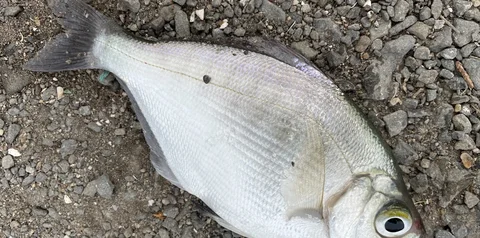
Similar species
Regulations vary by area and can change in-season — always check the official rules for your area before you fish. Regulations guide →
Plan a trip for Japanese Surfperch
Build today's plan