
Saltwater · Year-round in Florida; best spring through autumn in bays and along beaches
Leatherjacket
Oligoplites saurus
The leatherjacket is a small, fast, leathery-skinned jack that slashes at baits in Florida bays and surf — handle with extreme care: the short spines at the front of its dorsal and anal fins are venomous, so unhook it with pliers or gloves, and many anglers simply cut the leader and release it. Name caution: 'leatherjacket' is also used for the gray triggerfish, a completely different fish.
Seasons · Peak
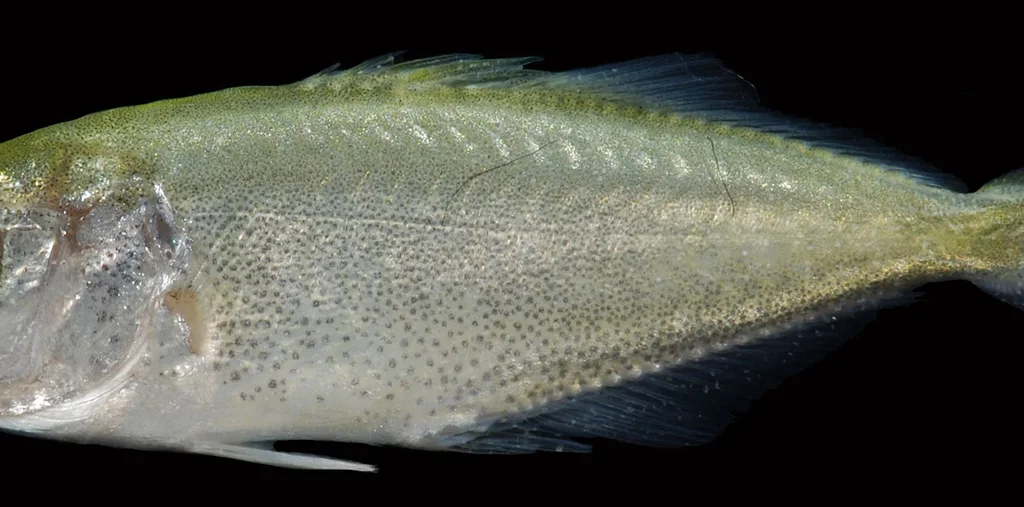
Identifying features
- Leathery, nearly scaleless skin — greenish back over silvery sides
- Row of small finlets behind the dorsal and anal fins
- Short VENOMOUS spines at the front of the dorsal and anal fins — never grab the body bare-handed
- Small, sharp teeth and a streamlined jack shape
- Deeply forked, yellowish tail
Habits
- Schools near the surface in bays, inlets and along beaches
- Aggressive and fast — slashes at small baits and lures, and its sharp teeth nick light leaders
- SAFETY: dorsal and anal spines are venomous; a jab causes sharp pain — handle only with pliers or gloves, or cut the leader and release
- Moves into brackish estuaries and around mangroves and docks
- Also called leatherjack; not to be confused with the gray triggerfish, which shares the name 'leatherjacket'
Distribution
Where to find them
- Florida bay shorelines and inlet mouths
- Beach troughs and surf edges on both coasts
- Docks and seawalls in brackish bays
Where they live
How to catch them
Casting spoons to surface schools Shore
Rig: Light spinning rod with a small silver spoon or jig, cast to feeding schools in bays and along beaches and retrieved fast
Bait/lure: Small spoons and jigs
Key tip: Reel quickly — leatherjackets chase down fast-moving flash; pause and they lose interest.
Tiny live baits under floats at docks Shore
Rig: Small live shrimp or baitfish on a size 2-4 hook under a float, fished around docks and seawalls
Bait/lure: Live shrimp and small baitfish
Key tip: SAFETY on landing: use pliers or a glove because of the venomous spines — or cut the leader and let the fish go.
Best baits & lures
Baseline setup
- Rod: Light to medium 6.5-7 ft spinning rod
- Line: 10-15 lb mono or braid with a slightly heavier leader (sharp teeth)
- Terminal: Small spoons and jigs, size 2-4 hooks, pliers for safe release
Recommended gear for this species
Rod · Best value
9' 5-weight fly rod outfit
≈ US$180-260
Covers chironomid lakes and small rivers with one setup.
Flies · Budget
Chironomid assortment (30 patterns)
≈ US$25-40
Chironomids are 60% of a lake rainbow's diet in spring.
Picks come from our rule library — never paid placements. Prices are guides; affiliate links may earn us a commission.
Typical size
Common 8-12 in (20-30 cm); large fish to about 14 in (36 cm)
On the table
Poor to fair — oily and strong-tasting; most are released (carefully) or used as cut bait.
Similar species
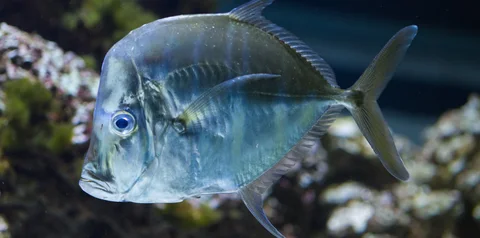 LookdownLookdown is a deep, paper-thin mirror fish with a steep forehead and thread-like fins; the leatherjacket is a longer, greenish, leathery jack with finlets and venomous front spines
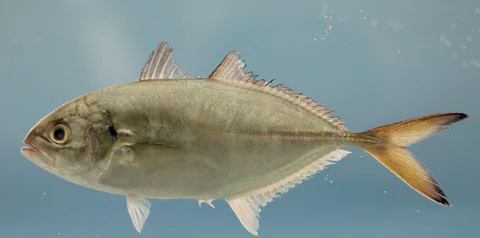 Blue RunnerBlue runner is a deeper-bodied jack with a dark spot on the gill cover and hard scutes on the tail base, and no venomous spines; the leatherjacket is slimmer and greener, with finlets, leathery skin and venomous dorsal and anal spines
Regulations vary by area and can change in-season — always check the official rules for your area before you fish. Regulations guide →
Plan a trip for Leatherjacket
Build today's plan