
Saltwater · Year-round; spawning aggregations form in spring (April-May) — avoid fishing aggregations and release fish then.
Leopard Grouper
Mycteroperca rosacea
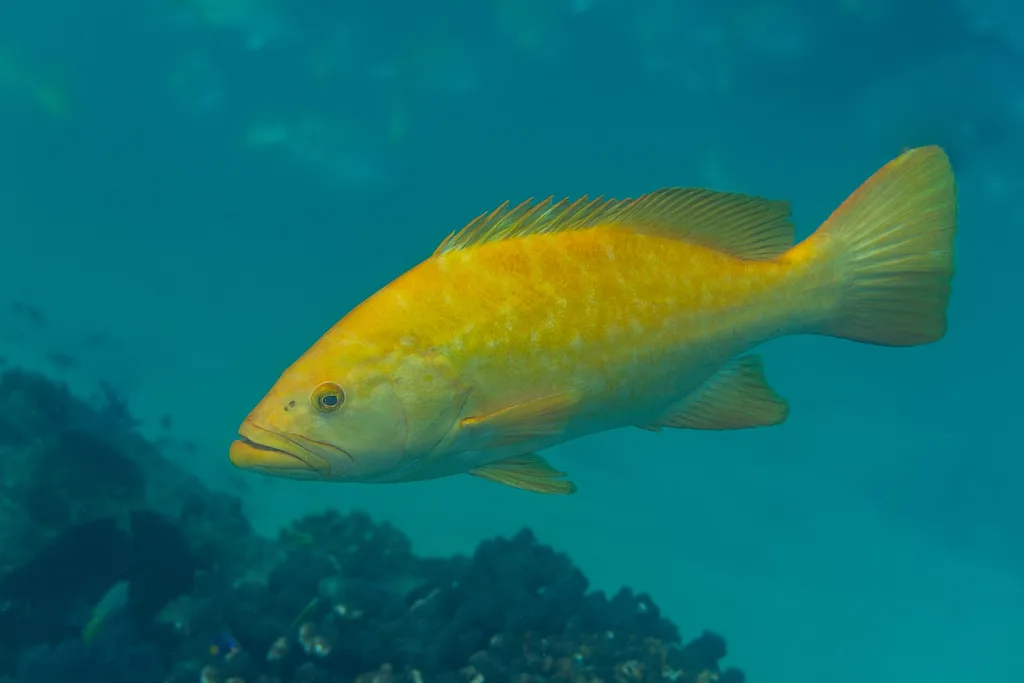
⚠ Caution: this Sea of Cortez endemic was listed as IUCN Vulnerable until its 2018 reassessment to Least Concern, and it still forms vulnerable spring spawning aggregations — avoid aggregations in April-May, release large breeders, and respect no-take zones such as Cabo Pulmo. A golden 'queenie' phase occurs alongside the usual spotted pattern.
Seasons · Peak
Identifying features
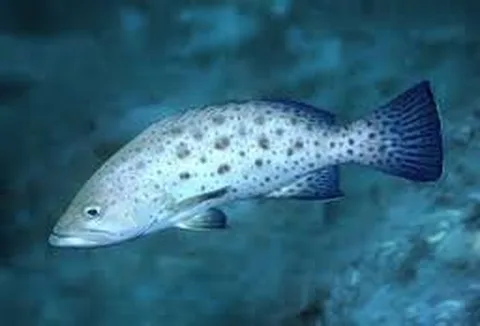
- Dense reddish-brown spots over a greenish-brown body — the leopard pattern
- Golden-yellow phase ('queenie') in some individuals
- White margins on the tail and rear fins
- Rectangular pale blotches can show along the back
- Stocky grouper body with a slightly concave tail edge
Habits
- Endemic to northwestern Mexico, centred on the Gulf of California
- Ambush predator on rocky reefs, feeding on sardines and reef fish
- Forms spawning aggregations in April-May
- Long-lived and slow-growing, resident on home reefs
Distribution
Where to find them
- Rocky reefs around La Paz, Loreto and the Midriff Islands (outside no-take zones)
- Boulder reefs off Bahía de los Ángeles
- Reefs at Cabo Pulmo buffer areas — check park rules first
- Rocky points along the Baja shore of the Sea of Cortez
Where they live
How to catch them
Live sardine bottom fishing Boat
Rig: Light bottom rig with a live sardine over boulder reef
Bait/lure: Live sardine
Key tip: Let the bait work just above the rocks; release oversized breeders quickly.
Casting swimbaits to reefs Boat
Rig: Medium spinning rod, weighted swimbait cast along reef edges
Bait/lure: Soft-plastic swimbait
Key tip: Retrieve slowly over boulders where leopards ambush sardine schools.
Vertical jigging Boat
Rig: Small metal jig worked tight to rocky structure
Bait/lure: Metal jig 40-100 g
Key tip: Jig close to the reef and wind up fast when a fish leaves the rocks.
Best baits & lures
Baseline setup
- Rod: 7-7.5 ft medium boat rod
- Line: 30-40 lb braid
- Terminal: 40 lb fluorocarbon leader, 4/0-6/0 circle hooks
Recommended gear for this species
Rod · Best value
7'6" medium-heavy jigging rod
≈ US$110-170
Works 2-6 oz jigs over rock and reef and still has the backbone to lift a halibut off the bottom.
Line · Budget
50 lb braid with 40 lb leader (200 yd)
≈ US$25-40
Thin braid cuts the current so jigs stay vertical; the leader shrugs off rock and teeth.
Terminal · Budget
Leadhead jigs, swimbaits and two-hook bottom rigs
≈ US$25-40
A leadhead with a swimbait tail is the universal bottom-fish catcher, from rockfish to cod to flounder.
Picks are never paid placements. Prices are guides; price links are coming soon and none is an affiliate link yet.
Typical size
Common 40-60 cm; large specimens to 86-100 cm, IGFA record 13 kg.
On the table
Excellent, but release is advised for large fish and during the spring spawning season to protect this restricted-range species.
Similar species
Regulations vary by area and can change in-season — always check the official rules for your area before you fish. Regulations guide →
Plan a trip for Leopard Grouper
Build today's plan⚠ Heads-up: Leopard Grouper doesn't occur around Vancouver, BC (or is very rare there), so it's not a sensible local target. Your plan stays in Vancouver, BC and is built around the fish that actually live there.