
Saltwater · Spring run and a huge fall migration down the Atlantic coast
Little Tunny
Euthynnus alletteratus
The 'false albacore' — a line-burning little tuna whose fall blitzes along Carolina and mid-Atlantic beaches are pure chaos: birds screaming, bait flying, and reels singing.
Seasons · Peak
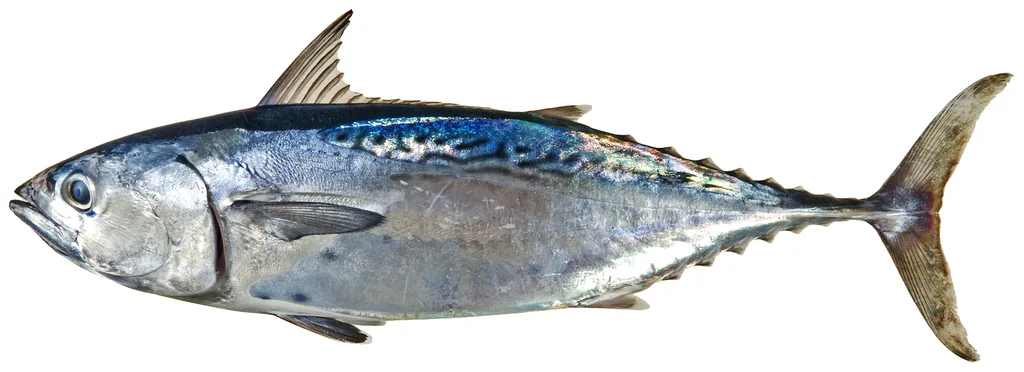
Identifying features
- Marbled, worm-like dark patterning on the back above the lateral line
- A few dark 'fingerprint' spots scattered between the pectoral and pelvic fins
- White belly below, streamlined tuna shape with a deeply forked tail
- No belly stripes — the key separator from skipjack tuna
- Look-alike: Atlantic bonito wear clean horizontal stripes on the back and have a fully toothed mouth; little tunny have the worm pattern and spots
Habits
- Frenzied surface hunter — schools pin bait to the top and foam the water, moving fast along the beach
- Fall migration down the Atlantic coast is one of fishing's great spectacles
- Zero quit in the fight: even small fish make blistering, direction-changing runs
- Feeds on bay anchovies, silversides and peanut bunker; birds mark the schools
Distribution
Where to find them
- Beach fronts and inlets from North Carolina to New Jersey in the fall
- Florida's nearshore reefs and passes in spring and fall
- Gulf nearshore waters around passes and shrimp boats
Where they live
How to catch them
Casting to the blitz
Rig: Medium spinning rod, 15-20 lb braid, small epoxy jig or metal
Bait/lure: Small metal or epoxy minnow in olive, silver or pink
Key tip: Cast past the school and burn it back fast — a slow retrieve gets ignored.
Trolling the edges
Rig: Light trolling gear worked along rip lines and colour changes
Bait/lure: Small feathers and spoons
Key tip: Mark every hookup and circle back — the school usually holds in the same rip.
Best baits & lures
Baseline setup
- Rod: 7' medium spinning rod
- Line: 15-20 lb braid
- Terminal: Small metal jigs, epoxy minnows, wire-free mono leaders (they bite off less than blues)
Recommended gear for this species
Rod · Best value
9' 5-weight fly rod outfit
≈ US$180-260
Covers chironomid lakes and small rivers with one setup.
Flies · Budget
Chironomid assortment (30 patterns)
≈ US$25-40
Chironomids are 60% of a lake rainbow's diet in spring.
Picks come from our rule library — never paid placements. Prices are guides; affiliate links may earn us a commission.
Typical size
Common 3-10 lb; large specimens 15-20 lb
On the table
Oily and strong — most anglers release them or use them for bait and chum; a few bleed-and-ice devotees smoke them.
Similar species
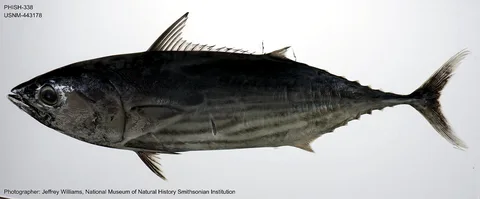 Skipjack TunaSkipjack have straight black stripes along the lower belly and a plain dark back; little tunny have a marbled back and an unstriped belly
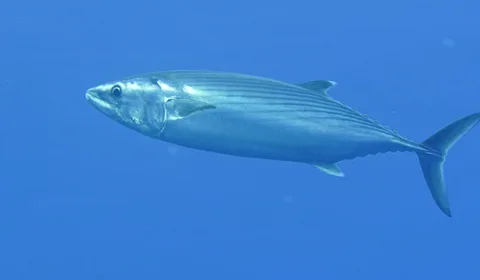 Atlantic BonitoAtlantic bonito have bold lengthwise stripes on the back, teeth along the whole jaw, and no spots below the pectoral fin
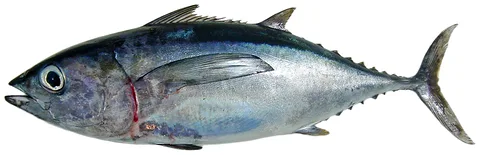 Blackfin TunaBlackfin have a plain dark back, dusky finlets and no fingerprint spots; little tunny show the marbled back and fingerprint spots
Regulations vary by area and can change in-season — always check the official rules for your area before you fish. Regulations guide →
Plan a trip for Little Tunny
Build today's plan