
Freshwater · Spring and fall best; May to June and September to October
Longnose Sucker
Catostomus catostomus
A cold-water sucker of Alberta, the Yukon, the Arctic drainages and northern lakes and rivers across Canada. Its long projecting snout is unmistakable, and spawning runs turn red-striped and impossible to confuse with any other sucker.
Seasons · Peak
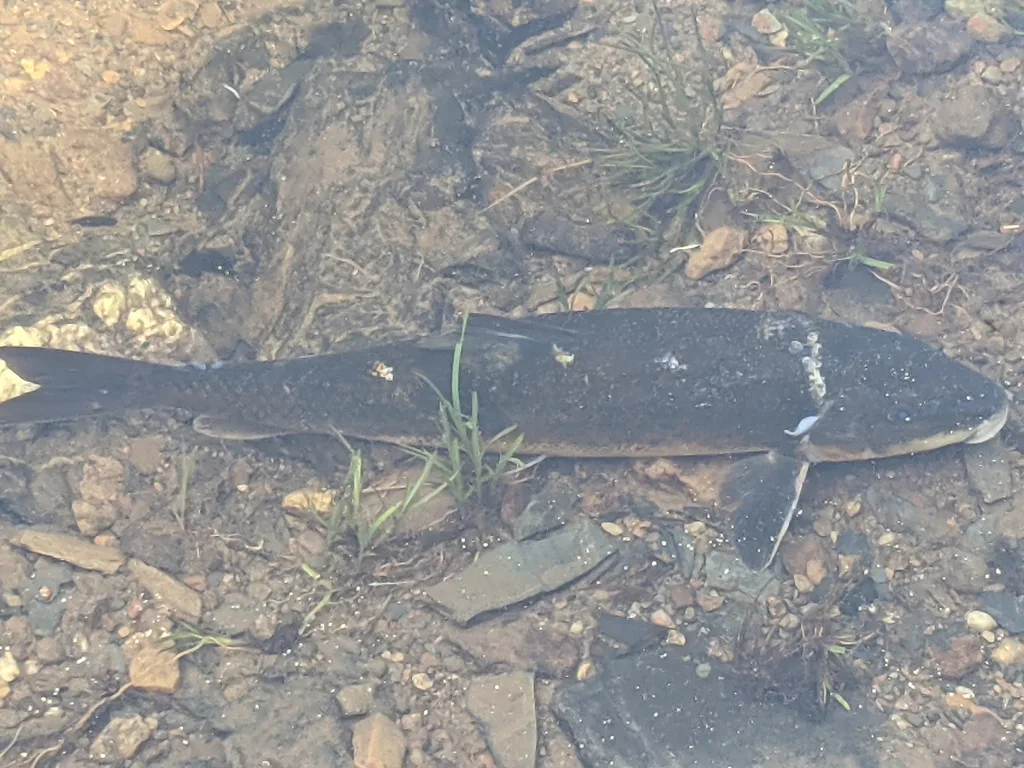
Identifying features
- Long, projecting snout that clearly overhangs the small sucker mouth
- Small fine scales and a slender, cylindrical body
- Spawning fish show a bold red to orange stripe along the side
- Dorsal fin set well forward, tail deeply forked
- Breeding males develop tubercles on fins and head
Habits
- Feeds on bottom insect larvae, crustaceans and algae in cold water
- Makes dense spawning runs into gravel riffles in late spring
- Holds in deep pools and lake bottoms outside the spawn
- Feeds most actively at dawn and dusk
- Takes small worm and egg baits presented right on bottom
Distribution
Where to find them
- Alberta foothill river runs and lake outlets in spring
- Yukon and northern river gravel riffles during runs
- Cold BC north-coast and Fraser tributary pools
Where they live
How to catch them
Bottom fishing in cold runs River
Rig: Medium-light rod, sliding sinker and a worm on a medium hook in deep runs and pools
Bait/lure: Worms
Key tip: Keep the bait hard on bottom — longnose suckers feed with the snout down in the gravel.
Spawning-run riffle fishing River
Rig: Float rig with a single egg or small worm drifted through gravel riffles during the run
Bait/lure: Single eggs, worms
Key tip: Fish the late-spring run when red-striped fish crowd the riffles and bite visibly.
Best baits & lures
Baseline setup
- Rod: Medium-light 6-7 ft spinning rod
- Line: 6-8 lb mono
- Terminal: Medium hooks, sliding sinkers, floats
Recommended gear for this species
Rod · Best value
9' 5-weight fly rod outfit
≈ US$180-260
Covers chironomid lakes and small rivers with one setup.
Flies · Budget
Chironomid assortment (30 patterns)
≈ US$25-40
Chironomids are 60% of a lake rainbow's diet in spring.
Picks come from our rule library — never paid placements. Prices are guides; affiliate links may earn us a commission.
Typical size
Common 12-16 in; large fish to about 20 in and 4 lb
On the table
Fair — firm but bony; most are released, some are kept in the North.
Similar species
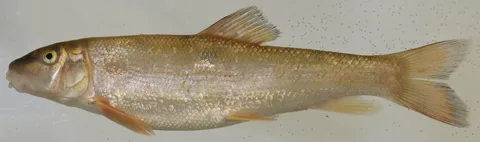 White SuckerWhite sucker has a short, blunt snout that barely overhangs the mouth; longnose sucker has a long, clearly projecting snout
 Largescale SuckerLargescale sucker has bold large scales and a short snout in warm big rivers; longnose sucker has fine scales, a long snout and cold northern waters
Regulations vary by area and can change in-season — always check the official rules for your area before you fish. Regulations guide →
Plan a trip for Longnose Sucker
Build today's plan