
Freshwater · Spring best; April to June in riffles, present in rocky streams year-round
Northern Hog Sucker
Hypentelium nigricans
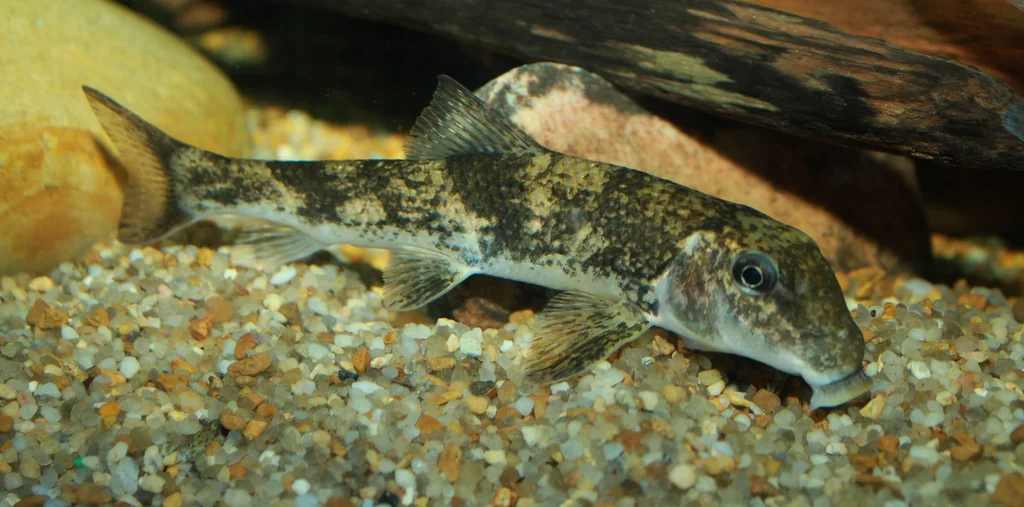
A distinctive riffle sucker with a bony, ridged head and dark saddles, famous for pushing rocks over with its fleshy snout to uncover insect larvae. A clean-water indicator of Ozark and Appalachian streams, it is mostly an encounter and identification fish that also takes a small worm drifted through the riffles it feeds in.
Seasons · Peak
Identifying features
- Bony head with a clear depression between the eyes and ridged, rectangular skull
- Four to five dark saddles across a mottled brown back
- Thick, fleshy, papillose lips on a downturned sucker mouth
- Pig-like fleshy snout used to flip stones — the source of the 'hog' name
- Square-ish, armoured look to the front body with large scales
Habits
- Pushes and rolls rocks aside with its snout to expose insect larvae and snails
- Feeds head-down in riffles, often in small loose groups
- Spawns in spring over gravel in riffles, males developing tubercles
- Needs clean, rocky, well-oxygenated water — a stream-health indicator
- Often seen by snorkellers holding station in the current between rocks
Distribution
Where to find them
- Ozark streams and rocky runs in Missouri
- Appalachian creeks and foothill rivers
- Great Lakes tributary riffles in spring
Where they live
How to catch them
Small worms through riffles and rocky runs River
Rig: Light rod, split shot and a small size 8 hook with a worm piece, drifted or held through riffles and rocky runs
Bait/lure: Small worms
Key tip: Keep the bait tumbling right along the rocks where fish are rooting — most bites come in the fastest water.
Bottom fishing below riffles River
Rig: Small sinker rig with a worm in the pool tail just below a riffle in clear streams
Bait/lure: Worms, crayfish pieces
Key tip: Fish early and late when hog suckers drop into the pool to rest and feed; approach quietly in clear water.
Best baits & lures
Baseline setup
- Rod: Light 6 ft (1.8 m) spinning rod
- Line: 6 lb (2.7 kg) mono
- Terminal: Size 8 hooks, split shot, small sinkers
Recommended gear for this species
Rod · Best value
8' medium-heavy catfish rod
≈ US$80-130
Long enough to lob heavy bait rigs, strong enough to move a flathead off the bottom.
Reel · Budget
Baitcasting or 4000-6000 spinning reel
≈ US$60-100
Line capacity and drag for long runs — catfish and carp both make them.
Terminal · Budget
Circle hooks, sliding sinkers and cut-bait rigs
≈ US$15-25
A slip-sinker rig with a circle hook is the proven bottom setup for cats and carp alike.
Picks are never paid placements. Prices are guides; price links are coming soon and none is an affiliate link yet.
Typical size
Common 10-16 in (25-41 cm); large fish to about 20 in (51 cm) and 3 lb (1.4 kg)
On the table
Poor to fair — bony sucker flesh; almost always released.
Similar species
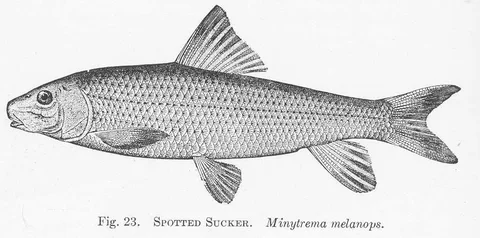 Spotted SuckerSpotted sucker is a slow-water fish with neat rows of spots and a smooth head; northern hog sucker is a riffle fish with dark saddles and a bony ridged head
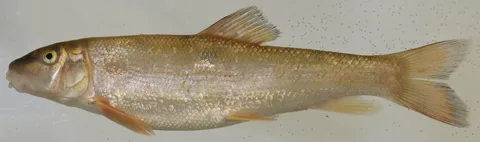 White SuckerWhite sucker is a plain, smooth-headed fish of many waters including slow ones; hog sucker has saddles, a depressed bony head and lives in rocky riffles
Regulations vary by area and can change in-season — always check the official rules for your area before you fish. Regulations guide →
Plan a trip for Northern Hog Sucker
Build today's plan⚠ Heads-up: Northern Hog Sucker doesn't occur around Vancouver, BC (or is very rare there), so it's not a sensible local target. Your plan stays in Vancouver, BC and is built around the fish that actually live there.