
Saltwater · Year-round; most abundant spring through fall
Pinfish
Lagodon rhomboides
The default bait-stealer and one of the best live baits of the Gulf and Florida coasts. Silvery with blue and yellow stripes and a dark shoulder spot, it is named for the sharp spines of its first dorsal fin — the 'pin' — so unhook it with care.
Seasons · Peak
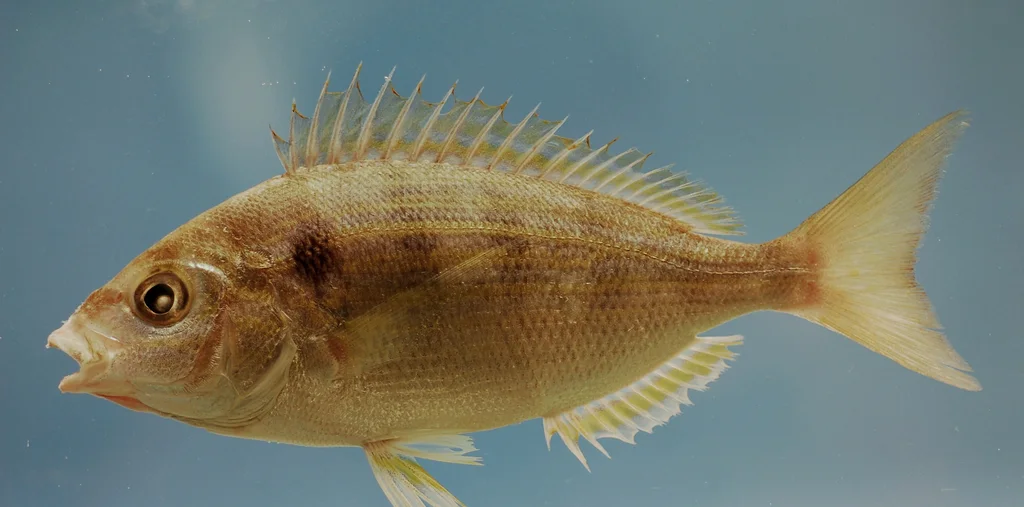
Identifying features
- Deep, compressed silvery body with blue and yellow lengthwise stripes
- Dark spot at the upper rear edge of the gill cover — the shoulder spot
- Small mouth with broad, notched incisor-like front teeth
- First dorsal fin armed with sharp spines — the 'pin'; grip from below and unhook carefully
- Forked tail and a steep, blunt head profile
Habits
- Schools over grass flats and around dock pilings in bays and lagoons
- Notorious bait-stealer — nips shrimp off hooks with its incisor teeth
- Feeds on shrimp, small crabs, molluscs, worms and some vegetation
- Adults spawn offshore in winter; juveniles move into shallow estuaries
- Premier live bait for snook, seatrout, tarpon and grouper — most are kept for bait or released
Distribution
Where to find them
- Pier and dock pilings along the Florida and Gulf coasts
- Grass flats with sandy potholes in bays and lagoons
- Tidal creek mouths and mangrove edges on moving tides
Where they live
How to catch them
Tiny hooks with shrimp bits around structure Shore
Rig: Light spinning rod, small split shot and a size 6-8 hook baited with a thumbnail-sized shrimp piece, fished around docks, grass flats and piers
Bait/lure: Shrimp bits
Key tip: Keep the bait tiny and the hook small — pinfish nip and shred big baits without getting hooked.
Sabiki-style bait catching Shore
Rig: Sabiki-style multi-hook rig or two-hook rig with small pieces of squid or Fishbites, jigged gently beside pilings
Bait/lure: Squid pieces, Fishbites
Key tip: Fish right against the pilings where the school holds — fill the livewell, then move on to your target species.
Best baits & lures
Baseline setup
- Rod: Light 6-7 ft spinning rod
- Line: 6-10 lb mono or braid
- Terminal: Size 6-8 hooks, sabiki rigs, split shot
Recommended gear for this species
Rod · Best value
9' 5-weight fly rod outfit
≈ US$180-260
Covers chironomid lakes and small rivers with one setup.
Flies · Budget
Chironomid assortment (30 patterns)
≈ US$25-40
Chironomids are 60% of a lake rainbow's diet in spring.
Picks come from our rule library — never paid placements. Prices are guides; affiliate links may earn us a commission.
Typical size
Common 4-8 in (10-20 cm); large fish to about 14 in (36 cm)
On the table
Fair in the largest sizes but small and bony; mostly kept as live bait or released.
Similar species
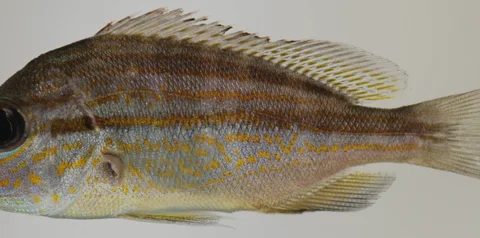 PigfishPigfish grunts, is mottled brown without bold stripes or a shoulder spot, and has a more sloped forehead; pinfish is bright silver with blue-yellow stripes and one dark gill spot
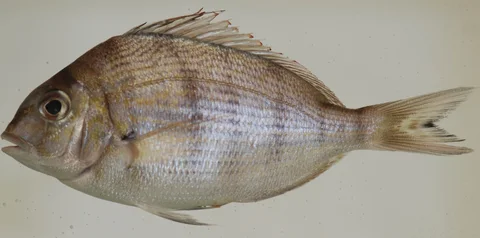 ScupScup (porgy) is an Atlantic fish, plain silvery with no yellow stripes and no shoulder spot; pinfish is the striped southern fish with the dark gill-cover spot
Regulations vary by area and can change in-season — always check the official rules for your area before you fish. Regulations guide →
Plan a trip for Pinfish
Build today's plan