
Saltwater · Late spring through autumn; winter wreck fish run larger
Pollack
Pollachius pollachius
IMPORTANT NAME NOTE: in German this species is called 'Pollack' — but the English 'pollock' in this guide is its cousin Pollachius virens, whose German name is Seelachs. The two names are false friends across the Channel, so check the Latin name, not the sound-alike word. Pollack itself is a kelp, cliff and wreck fish of the Atlantic coasts. Lieu jaune in French.
Seasons · Peak
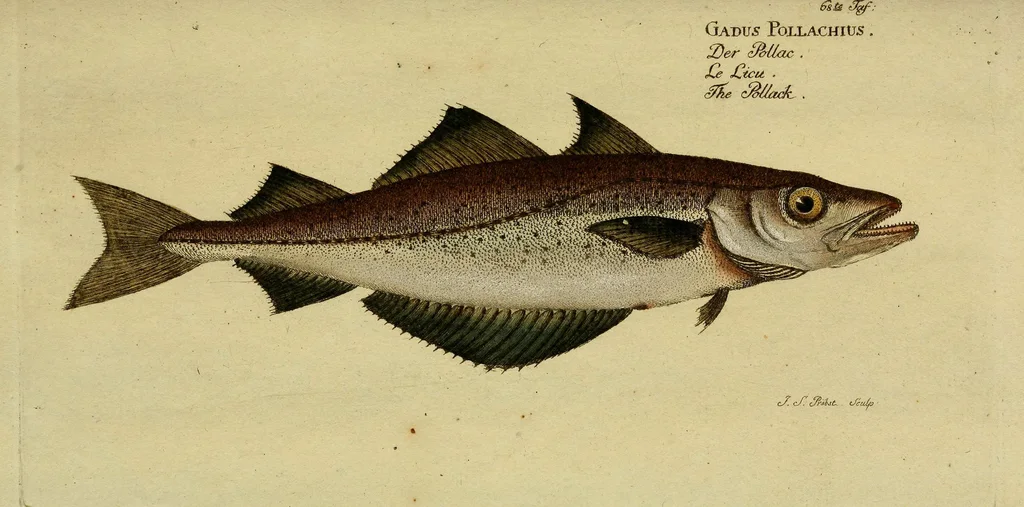
Identifying features
- Olive-brown to bronze back with a sharply pale, silvery-white belly
- Dark lateral line that curves distinctly over the pectoral fin
- Lower jaw projects slightly; no chin barbel (or only a tiny one on young fish)
- Tail only slightly forked, almost square-cut compared with its cousin
- Three dorsal fins and two anal fins, cod-family plan, with a deep body
Habits
- Hunts sandeels and small fish in midwater over kelp and rock
- Rises well off the bottom over wrecks, unlike cod which hug structure
- Feeds hardest on flooding tides and at dawn and dusk
- Winter wreck fish run larger; inshore fish peak in summer
- Dives powerfully for the kelp when first hooked
Distribution
Where to find them
- Cliff and kelp-rock marks in south-west Britain and Ireland
- Wrecks and reefs off the French Atlantic coast and Scotland
- Norwegian fjord reefs and deep sea lochs
Where they live
How to catch them
Lure fishing from cliffs and kelp rock Rock fishing
Rig: 9-10 ft lure rod with a soft-plastic shad on a jig head retrieved slowly over kelp and rock gullies from cliff marks
Bait/lure: Soft-plastic shads, sandeel lures
Key tip: Retrieve slowly and let the lure sink and rise over the kelp — pollack rise up from below to hit it.
Wreck fishing from boats Boat
Rig: Medium boat lure rod with feathers, a metal jig or soft plastic dropped over wrecks and wound up through midwater
Bait/lure: Feathers, metal jigs, soft plastics
Key tip: Start the retrieve from the bottom with 20-30 slow turns — wreck pollack often sit well above the structure.
Best baits & lures
Baseline setup
- Rod: 9-10 ft lure rod on rocks; medium boat lure rod over wrecks
- Line: 20-30 lb braid with fluorocarbon leader
- Terminal: Soft plastics, jig heads, feathers and metal jigs
Recommended gear for this species
Rod · Best value
9' 5-weight fly rod outfit
≈ US$180-260
Covers chironomid lakes and small rivers with one setup.
Flies · Budget
Chironomid assortment (30 patterns)
≈ US$25-40
Chironomids are 60% of a lake rainbow's diet in spring.
Picks come from our rule library — never paid placements. Prices are guides; affiliate links may earn us a commission.
Typical size
Common 16-28 in (40-70 cm), about 3-8 lb (1.4-3.6 kg); large fish to 42 in (107 cm) and 30 lb (13.6 kg)
On the table
Good — white, flaky flesh, best eaten fresh; a fine substitute for cod from clean Atlantic marks.
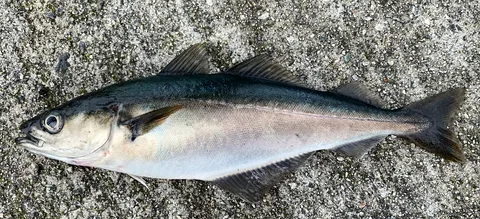
Similar species
Regulations vary by area and can change in-season — always check the official rules for your area before you fish. Regulations guide →
Plan a trip for Pollack
Build today's plan