
Freshwater · Best spring during spawning runs; year-round in rivers and reservoirs
Sacramento Sucker
Catostomus occidentalis
The default sucker of Central Valley waters — a widespread, hardy bottom feeder found in nearly every Sacramento-San Joaquin river, stream and reservoir. In spring, spawning runs colour the males dark with a bold red lateral stripe.
Seasons · Peak
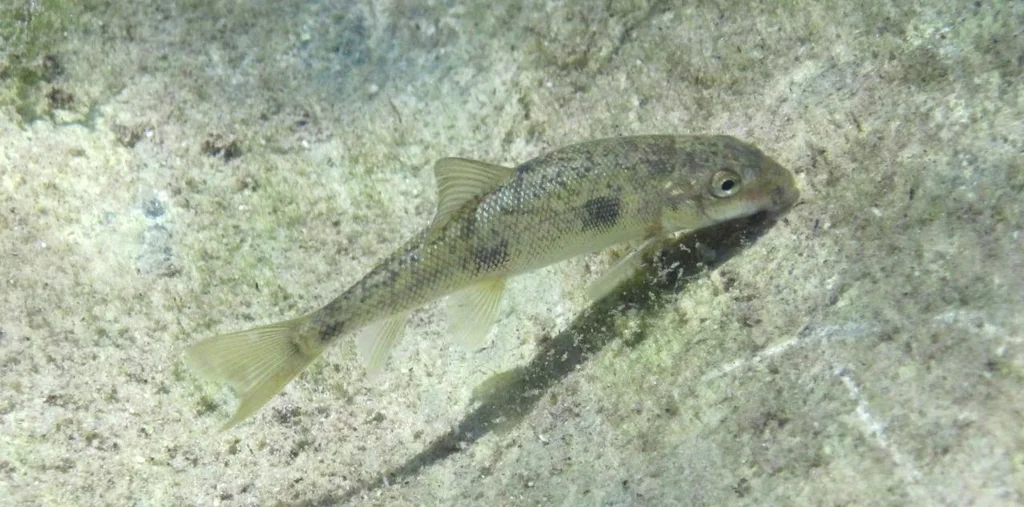
Identifying features
- Downturned sucker mouth with fleshy, papillose lips under a blunt head
- Olive-brown back, pale belly and coarse scales
- Spring spawning males turn dark with a bold red to orange lateral stripe
- Stout, rounded body with a dorsal fin set mid-body
- The common sucker of Central Valley waters — larger and heavier than most local minnows
Habits
- Feeds on the bottom on insect larvae, algae and detritus sucked from rocks and gravel
- Runs upstream in spring in loose schools to spawn over gravel
- Most active feeding at dawn, dusk and after dark
- Tolerates warm, slow Valley water as well as cool foothill streams
- Important forage and nutrient mover — eggs and young feed many predators
Distribution
Where to find them
- Sacramento and San Joaquin river gravel runs in spring
- Foothill streams of the Sierra and Coast Range
- Reservoir coves in the Central Valley foothills
Where they live
How to catch them
Worms on bottom rigs in rivers and foothill streams River
Rig: Medium-light rod, sliding-sinker bottom rig with size 6-8 hook and worm, fished on gravel runs and pool tails
Bait/lure: Worms
Key tip: Fish spring runs when males show the red stripe — schools pass the same gravel runs for days.
Small baits in reservoir coves Lake
Rig: Light bottom or float rig with small dough or worm baits in quiet reservoir coves, fished near the bottom at dawn and dusk
Bait/lure: Dough baits, worm pieces
Key tip: Keep baits still on the bottom; suckers feed by slow grazing, not by chasing.
Best baits & lures
Baseline setup
- Rod: Medium-light 6-7 ft spinning rod
- Line: 6-10 lb mono
- Terminal: Size 6-8 hooks, sliding sinkers, small floats
Recommended gear for this species
Rod · Best value
8' medium-heavy catfish rod
≈ US$80-130
Long enough to lob heavy bait rigs, strong enough to move a flathead off the bottom.
Reel · Budget
Baitcasting or 4000-6000 spinning reel
≈ US$60-100
Line capacity and drag for long runs — catfish and carp both make them.
Terminal · Budget
Circle hooks, sliding sinkers and cut-bait rigs
≈ US$15-25
A slip-sinker rig with a circle hook is the proven bottom setup for cats and carp alike.
Picks are never paid placements. Prices are guides; price links are coming soon and none is an affiliate link yet.
Typical size
Common 12-18 in (30-46 cm); large fish to about 24 in (61 cm)
On the table
Poor to fair — very bony with soft flesh; usually released, though sometimes used for bait or processed dishes.
Similar species
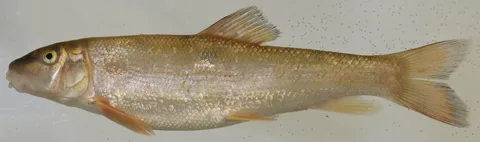 White SuckerWhite sucker is an eastern and northern species with finer scales and a more northern range; Sacramento sucker is the Central Valley species, with spring males showing a bold red stripe
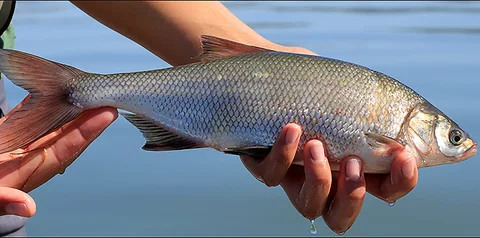 HitchHitch is a deep, silvery mid-water fish with a small upturned mouth; Sacramento sucker is a stout bottom fish with a downturned fleshy mouth
Regulations vary by area and can change in-season — always check the official rules for your area before you fish. Regulations guide →
Plan a trip for Sacramento Sucker
Build today's plan⚠ Heads-up: Sacramento Sucker doesn't occur around Vancouver, BC (or is very rare there), so it's not a sensible local target. Your plan stays in Vancouver, BC and is built around the fish that actually live there.