
Saltwater · Year-round in Hawaiʻi; juveniles (ʻōama) peak in late summer, August to October, along shorelines
Yellowstripe Goatfish
Mulloidichthys flavolineatus
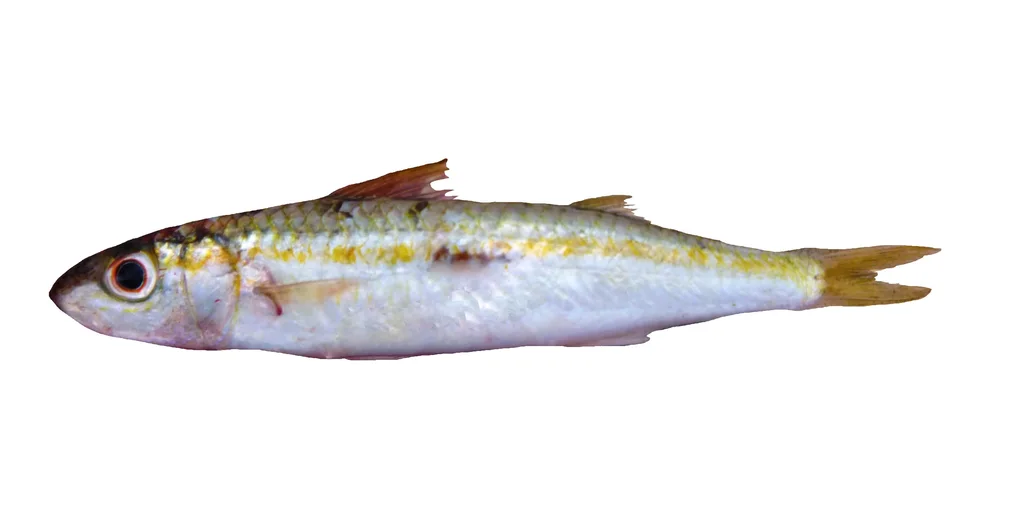
In Hawaiʻi this goatfish is ʻōama as a juvenile and weke as an adult: the ʻōama is the fish of Hawaiʻi's famous late-summer shoreline season for kids, crowding sandy shallows in clouds, while the larger weke works reef sand with its chin barbels. The yellow stripe and whisker-like barbels make both stages easy to name.
Seasons · Peak
Identifying features
- A bright yellow stripe along the side from eye to tail
- Two long chin barbels ('whiskers') under the small mouth
- Whitish to pale body, sometimes with a faint dark blotch under the first dorsal fin
- Deeply forked tail and a blunt, steep head
- Juveniles (ʻōama) are small and translucent-white; adults (weke) are larger and more yellow
Habits
- Uses its chin barbels to root out worms, shrimp and small crabs buried in sand
- Schools over sand by day, scattering to feed at dusk
- Juveniles flood sandy shorelines in late summer — the classic ʻōama season
- Often follows stingrays and other fish to grab stirred-up prey
- Rests in loose groups over sand at night, paler in colour
Distribution
Where to find them
- Sandy Hawaiian shorelines and beach parks in late summer (ʻōama)
- Sand channels through shallow reefs
- Sand patches beside reef ledges from small boats
Where they live
How to catch them
ʻŌama shoreline fishing in late summer Shore
Rig: Light rod, small float or light sinker and size 10-14 hooks with tiny shrimp, fished on sandy shorelines by day during the late-summer ʻōama season
Bait/lure: Shrimp pieces
Key tip: Fish where pale juveniles cloud the sand shallows — keep baits tiny and close to the bottom.
Light tackle over reef sand channels Shore
Rig: Light spinning tackle, small sinker and small baited hook worked slowly along sand channels and patches between reefs
Bait/lure: Shrimp or squid pieces
Key tip: Let the bait sit on the sand — weke find it by taste and smell with their barbels, not by sight alone.
Best baits & lures
Baseline setup
- Rod: Light 6-7 ft spinning rod
- Line: 4-8 lb mono
- Terminal: Size 10-14 hooks, small floats, split shot and light sinkers
Recommended gear for this species
Rod · Best value
9' 5-weight fly rod outfit
≈ US$180-260
Covers chironomid lakes and small rivers with one setup.
Flies · Budget
Chironomid assortment (30 patterns)
≈ US$25-40
Chironomids are 60% of a lake rainbow's diet in spring.
Picks come from our rule library — never paid placements. Prices are guides; affiliate links may earn us a commission.
Typical size
Common 6-10 in (15-25 cm) as weke; large fish to about 14 in (35 cm); ʻōama juveniles 2-4 in (5-10 cm)
On the table
Good — weke is a valued food fish in Hawaiʻi, steamed or fried; ʻōama are small and usually kept only in small numbers where legal — check current Hawaiʻi rules.
Similar species
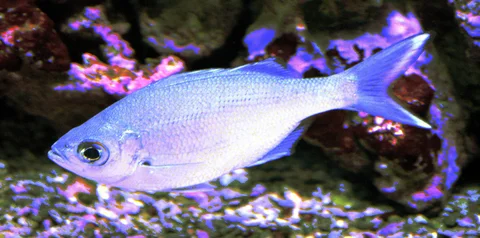 Aholehole (Hawaiian Flagtail)Aholehole is a deep, silvery flagtail with a big dark eye and dark-marked forked tail and no barbels; the goatfish is whiter with a yellow stripe and two chin barbels
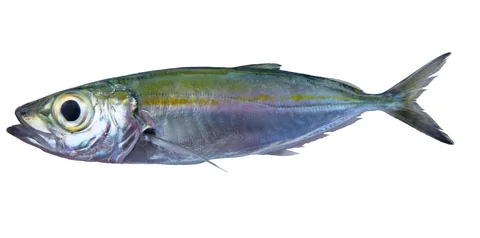 Akule (Bigeye Scad)Akule is an open-water schooling scad with a huge eye and a dark opercle spot; the goatfish stays on sand, rooting with chin barbels under a yellow side stripe
Regulations vary by area and can change in-season — always check the official rules for your area before you fish. Regulations guide →
Plan a trip for Yellowstripe Goatfish
Build today's plan