
Saltwater · Year-round in southern estuaries; best in warm months May–October.
Armed Snook
Centropomus armatus
A southern Pacific snook called 'Pacific white snook' in parts of Central America — a name that elsewhere means Centropomus viridis, so use the Latin name. Its very long, stout second anal spine is the surest identification.
Seasons · Peak
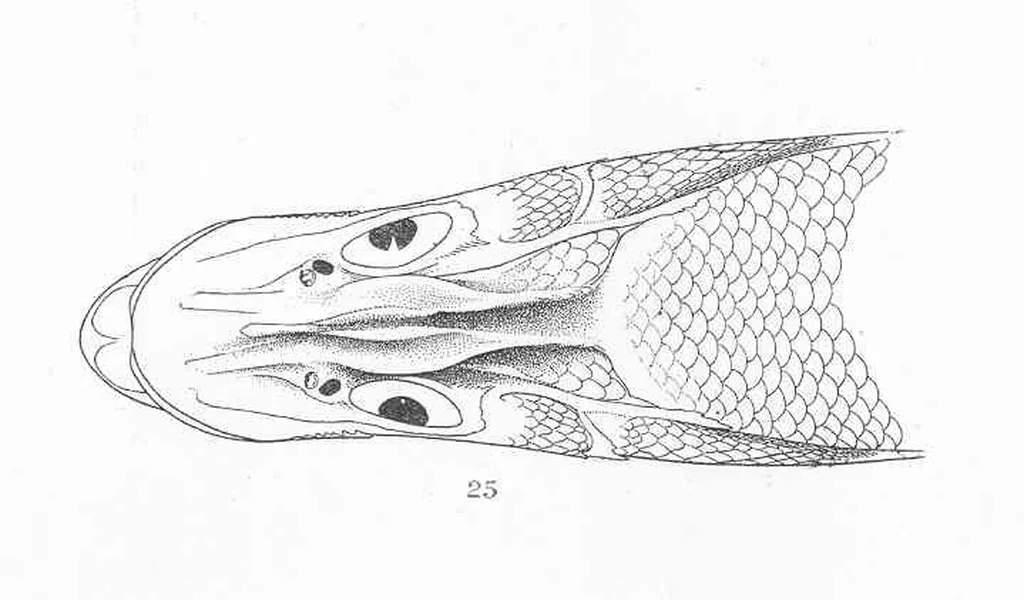
Identifying features
- Exceptionally long, stout second anal spine — the 'armed' spine, longest relative to body of the Pacific snooks
- Blunt, steep head profile
- Silvery body with a dark lateral line
- Deeper body than blackfin snook
Habits
- Ambushes shrimp and small fish in mangrove estuaries
- Enters lower rivers and fresh water
- Feeds on moving tides around roots and snags
Distribution
Where to find them
- Estuaries of Guerrero, Oaxaca and Chiapas
- Mangrove lagoons of Guatemala and Costa Rica's Pacific slope
- River mouths and lagoon channels
Where they live
How to catch them
Mangrove casting Boat
Rig: Small swimbait tight to roots
Bait/lure: Live shrimp to cover
Key tip: Cast root lines on moving tides with medium-light gear.
Live-shrimp fishing Boat
Rig: Live shrimp on a small circle hook
Bait/lure: Free-lined shrimp at creek mouths
Key tip: Drift lagoon creeks and channel edges at dawn.
River casting River
Rig: Small jerkbait along snags
Bait/lure: Cut shrimp on a jig head
Key tip: Work lower-river snags and bends slowly.
Best baits & lures
Baseline setup
- Rod: Medium 7 ft spinning rod
- Line: 20–30 lb braid
- Terminal: 30–40 lb fluorocarbon leader, 2/0–4/0 hooks
Recommended gear for this species
Rod · Best value
9' medium-heavy surf spinning rod
≈ US$110-170
Casts plugs and bait past the breakers and handles stripers, drum and bluefish in the wash.
Reel · Best value
5000 size sealed spinning reel
≈ US$120-180
Salt spray and dunkings kill cheap reels — a sealed body and 30 lb braid capacity are the surf standard.
Terminal · Budget
Topwater plugs, soft-plastic jigs and fish-finder rigs
≈ US$25-40
Plugs for blitzes, jigs for the trough, bait on a fish-finder rig when they won't chase — the inshore trio.
Picks are never paid placements. Prices are guides; price links are coming soon and none is an affiliate link yet.
Typical size
To about 51 cm; most catches 25–40 cm and under about 2 kg.
On the table
Good — eaten locally like other small snooks.
Similar species
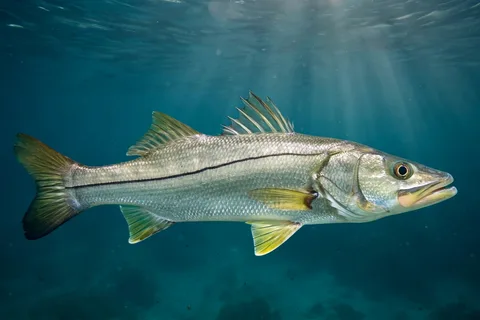 White SnookWhite snook (C. viridis) grows far larger and has a much shorter second anal spine; armed snook is the small Central American fish also called 'Pacific white snook' locally.
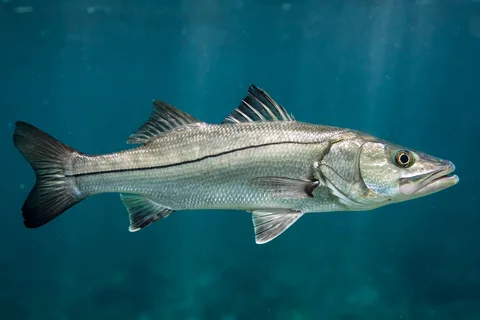 Blackfin SnookBlackfin snook has black-edged fins and a more slender body; armed snook's second anal spine is longer and stouter and its head blunter.
Regulations vary by area and can change in-season — always check the official rules for your area before you fish. Regulations guide →
Plan a trip for Armed Snook
Build today's plan⚠ Heads-up: Armed Snook doesn't occur around Vancouver, BC (or is very rare there), so it's not a sensible local target. Your plan stays in Vancouver, BC and is built around the fish that actually live there.