
Saltwater · Summer on offshore banks; recreational access in Atlantic Canada is licence- and season-regulated — check rules before any trip
Atlantic Halibut
Hippoglossus hippoglossus
The Atlantic halibut is a distinct North Atlantic deep-water flatfish — not the Pacific halibut — fished from boats off Nova Scotia and Newfoundland. Recreational access in Atlantic Canada is regulated by licence and season, and large spawning fish are best released.
Seasons · Peak
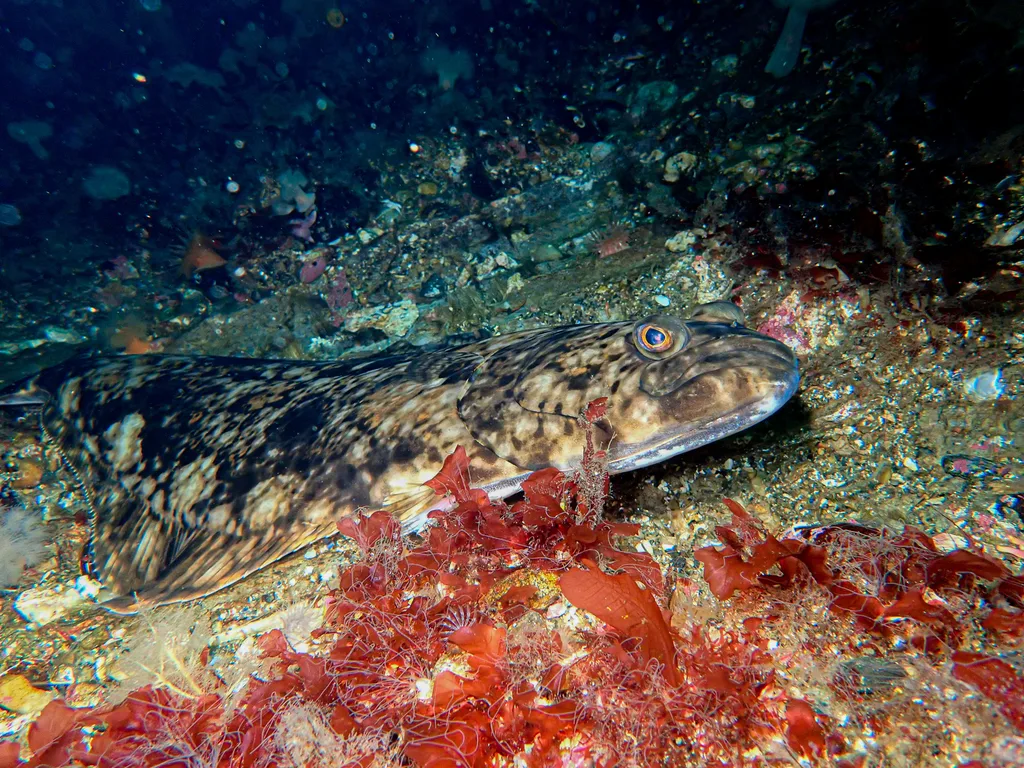
Identifying features
- Huge, flat, right-eyed flatfish: both eyes on the dark right side
- Dark olive to chocolate-brown upper side, white underside
- Concave (forked-looking) tail edge, unlike the straight or rounded tails of smaller flatfish
- Large mouth with sharp, curved teeth reaching back under the eye
- Smooth scales and a strongly arched lateral line over the pectoral fin
Habits
- A distinct Atlantic species, separate from the Pacific halibut
- Lives on or near the bottom in deep, cold water, moving shallower in summer
- Ambush predator of cod, haddock, redfish, squid and other bottom fish
- Grows slowly and matures late, which is why retention is tightly regulated
- Large females are the most valuable spawners and are often released
Distribution
Where to find them
- Deep edges of the Scotian Shelf off Nova Scotia
- Grand Banks bank edges and channels off Newfoundland
- Deep basins in the Gulf of Maine and Bay of Fundy where access is permitted
Where they live
How to catch them
Deep-water bait bottom fishing Boat
Rig: Heavy boat rod, 50-80 lb braid, spreader rig with a large circle hook and whole herring or mackerel anchored on the bottom
Bait/lure: Whole herring, mackerel, squid
Key tip: Anchor on channel edges in tidal current and keep baits still on the bottom — halibut find bait by scent.
Jigging with large metal and soft jigs Boat
Rig: Heavy jigging rod, 8-16 oz metal jigs or large soft plastics lifted and dropped slowly over bank edges and slopes
Bait/lure: Large metal and soft-plastic jigs
Key tip: Work jigs in contact with the bottom and set at any resistance — strikes often come on the fall.
Best baits & lures
Baseline setup
- Rod: Heavy 5-6 ft boat rod
- Line: 50-80 lb braid with heavy leader
- Terminal: Large circle hooks, heavy sinkers, spreader bars
Recommended gear for this species
Rod · Best value
9' 5-weight fly rod outfit
≈ US$180-260
Covers chironomid lakes and small rivers with one setup.
Flies · Budget
Chironomid assortment (30 patterns)
≈ US$25-40
Chironomids are 60% of a lake rainbow's diet in spring.
Picks come from our rule library — never paid placements. Prices are guides; affiliate links may earn us a commission.
Typical size
Common 20-50 lb where retained; large fish over 200 lb and 8 ft are possible
On the table
Excellent — thick, sweet white flakes; one of the finest food fishes in the Atlantic, subject to strict retention rules.
Similar species
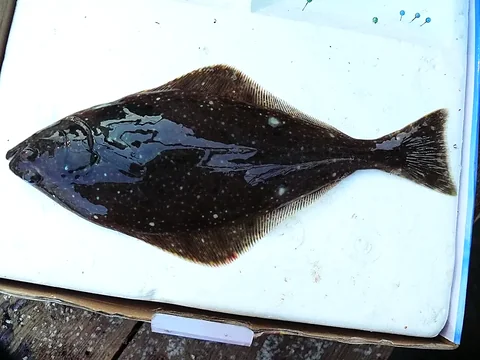 Pacific HalibutPacific halibut is a separate North Pacific species; Atlantic halibut occurs only in the North Atlantic and under different management
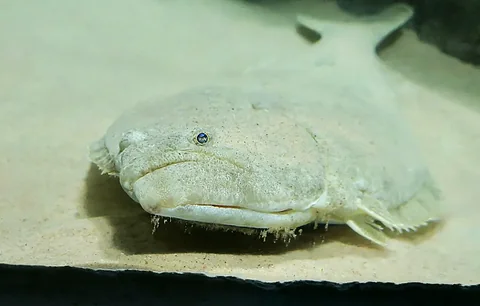 California HalibutCalifornia halibut is a much smaller shallow-water flatfish of the US west coast; Atlantic halibut is a deep-water giant of the North Atlantic
Regulations vary by area and can change in-season — always check the official rules for your area before you fish. Regulations guide →
Plan a trip for Atlantic Halibut
Build today's plan