
Saltwater · Late spring and summer
Black Bream
Spondyliosoma cantharus
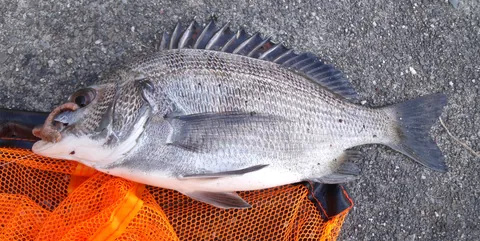
Despite the similar name, this is NOT the guide's black seabream (Acanthopagrus schlegelii of East Asia) — it is a different genus of the English Channel and Mediterranean, spawning over gravel with males that turn almost black.
Seasons · Peak
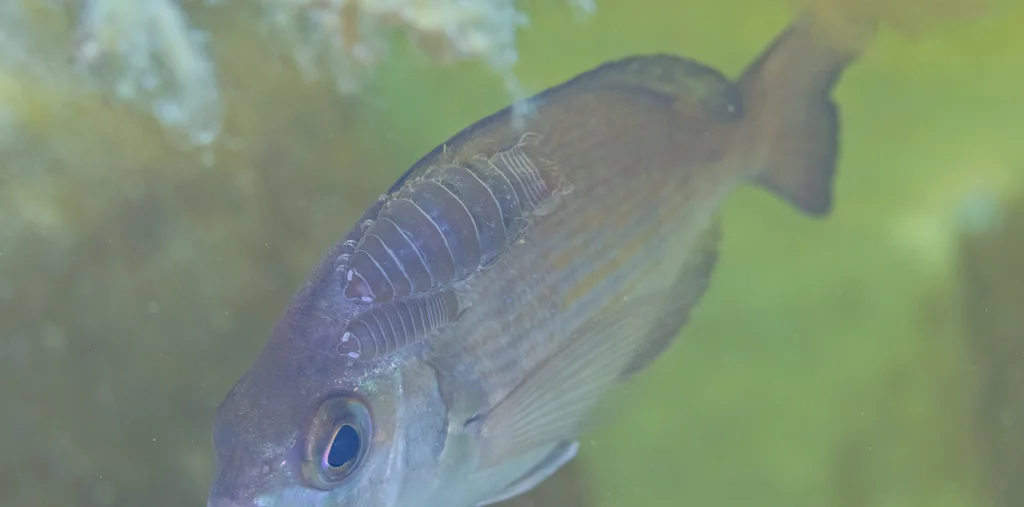
Identifying features
- Deep, oval, grey-silver body with faint lengthwise stripes and a steep, blunt head profile
- Breeding males turn dark grey to almost black with a pale head band at times
- Small mouth with rows of narrow incisor teeth — a nibbler, not a crusher like the gilthead
- No gold bar between the eyes and no black spot on the gill cover
- Blue-grey tinge to the fins, with the tail slightly forked and edged darker
Habits
- Spawns over gravel in late spring, when males turn almost black and build and guard a nest depression
- Feeds on worms, shellfish, crustaceans and small fish over reef and gravel
- Moves inshore and onto reefs in late spring, drifting to deeper water in winter
- Males are territorial around nest sites, which is why spring fish are aggressive takers
- Juveniles shelter in shallow bays and harbours
Distribution
Where to find them
- Isle of Wight and Dorset reefs in late spring
- Channel gravel grounds off Le Havre and Brittany
- Northern Spanish and Italian Adriatic reefs in summer
Where they live
How to catch them
Anchored boat fishing over reef and gravel Boat
Rig: 12-20 lb boat rod with a long two-hook flowing trace over reef and gravel, lead just heavy enough for the tide
Bait/lure: Squid strip or crab pieces
Key tip: Fish the whole tide — black bream move over the ground in waves and feed in bursts.
Fixed ledgering from rocks and harbour walls Rock fishing
Rig: Medium shore rod with a simple paternoster, size 1 hook, squid-and-worm cocktail cast to summer rock marks and pier heads
Bait/lure: Squid and lugworm cocktail
Key tip: Use small baits and hooks — a big hook in a small bream mouth misses the nibbling bites.
Best baits & lures
Baseline setup
- Rod: 12-20 lb boat rod or 11-12 ft medium beach/rock rod
- Line: 15-20 lb braid or mono from boats; 12-15 lb from rock marks
- Terminal: Two-hook flowing traces, size 1-2 strong hooks, plain leads
Recommended gear for this species
Rod · Best value
9' 5-weight fly rod outfit
≈ US$180-260
Covers chironomid lakes and small rivers with one setup.
Flies · Budget
Chironomid assortment (30 patterns)
≈ US$25-40
Chironomids are 60% of a lake rainbow's diet in spring.
Picks come from our rule library — never paid placements. Prices are guides; affiliate links may earn us a commission.
Typical size
Common 10-14 in (25-35 cm) and 1-3 lb (0.45-1.4 kg); large fish to 20 in (50 cm) and 5.5 lb (2.5 kg)+
On the table
Good — sweet, firm flesh, highly rated in France; fish from clean ground eat best.
Similar species
Regulations vary by area and can change in-season — always check the official rules for your area before you fish. Regulations guide →
Plan a trip for Black Bream
Build today's plan