
Saltwater · Late spring to fall; most common in summer, June to September
Butterfish
Peprilus triacanthus
A paper-thin, butter-soft silvery fish of Northeast bays — a classic bait fish and delicate pan fish in one. It has almost no scales and a body so soft it bruises at a touch, and its rich flesh spoils quickly, so keep catches on ice. Summer schools around piers are a sabiki staple.
Seasons · Peak
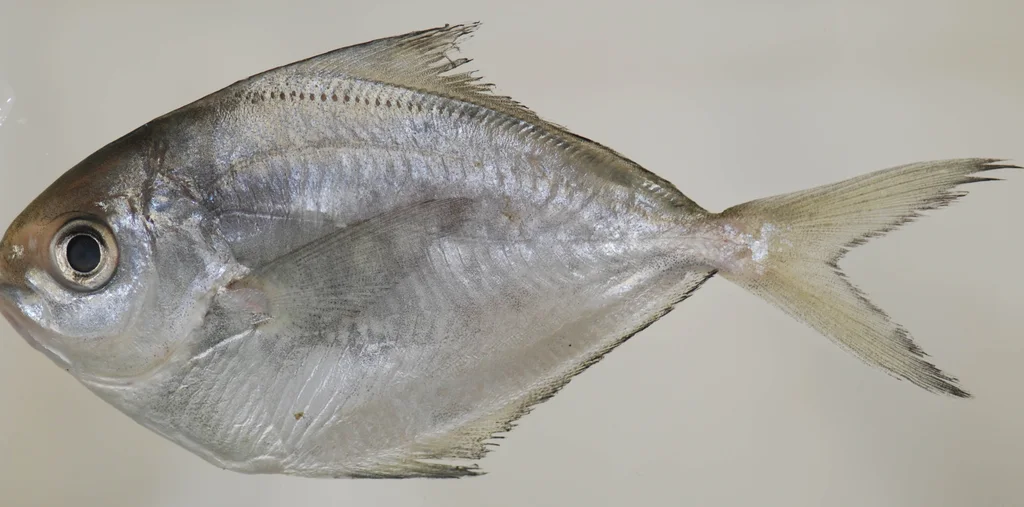
Identifying features
- Paper-thin, deep oval body, extremely soft and smooth to the touch
- Almost no visible scales; skin feels like wet silk
- Three short spines in front of the long, falcate dorsal fin
- No pelvic fins; tail deeply forked
- Plain silver with a faint dusky back and no spots or stripes
Habits
- Schools in open bay and nearshore water in summer, often near the surface
- Feeds on small jellyfish, plankton, tiny shrimp and young fish
- Young fish shelter under jellyfish and floating objects
- Spawns in late spring and summer in coastal water
- Moves offshore and south as water cools in fall; flesh spoils fast out of water
Distribution
Where to find them
- Long Island Sound piers and party-boat grounds
- New England bay docks and harbour mouths
- New Jersey nearshore lumps and channel edges in summer
Where they live
How to catch them
Sabiki fishing at piers and party boats Boat
Rig: Light rod with a sabiki rig of tiny hooks and small jigs, jigged gently around piers, docks and over party-boat grounds
Bait/lure: Sabiki flies, tiny jigs
Key tip: Jig gently in mid-water where schools show on the sounder; the mouth is tiny and soft, so lift fish aboard rather than swinging them.
Miniature bottom rigs with shrimp or bloodworm Shore
Rig: Ultralight rod, miniature bottom rig with size 8-10 hooks and small pieces of shrimp or bloodworm
Bait/lure: Shrimp or bloodworm pieces
Key tip: Keep pieces tiny and hooks small — butterfish peck softly and tear free on heavy gear.
Best baits & lures
Baseline setup
- Rod: Light to ultralight 6 ft spinning rod
- Line: 4-8 lb mono
- Terminal: Sabiki rigs, size 8-10 hooks, small split shot and sinkers
Recommended gear for this species
Rod · Best value
9' 5-weight fly rod outfit
≈ US$180-260
Covers chironomid lakes and small rivers with one setup.
Flies · Budget
Chironomid assortment (30 patterns)
≈ US$25-40
Chironomids are 60% of a lake rainbow's diet in spring.
Picks come from our rule library — never paid placements. Prices are guides; affiliate links may earn us a commission.
Typical size
Common 6-9 in (15-23 cm); large fish to about 12 in (30 cm)
On the table
Excellent but delicate — rich, soft pan fish that spoils quickly; ice it at once and eat fresh.
Similar species
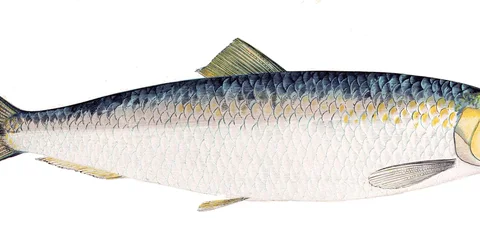 Atlantic HerringAtlantic herring is longer and torpedo-shaped with obvious scales and a single short dorsal fin; butterfish is a deep, paper-thin oval with almost no scales
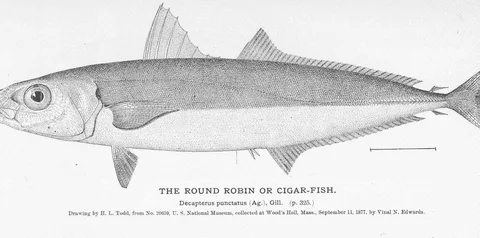 Round ScadRound scad is cylindrical like a small mackerel with a lateral line of scutes; butterfish is flat, deep and scaleless-feeling with no scutes
Regulations vary by area and can change in-season — always check the official rules for your area before you fish. Regulations guide →
Plan a trip for Butterfish
Build today's plan