
Freshwater · No targeted angling: release threatened species year-round and follow local lake rules and closed seasons strictly
Charal (Pátzcuaro Whitefish complex)
Chirostoma estor
⚠ IDENTIFICATION AND RELEASE ONLY — the charales and pescados blancos (Chirostoma spp.) of Mexico's central highland lakes are a threatened complex: C. estor itself is IUCN Endangered and NOM-059-listed congeners include Critically Endangered species. Do not target or keep wild fish of this complex; check local rules for each lake and release every Chirostoma immediately, keeping it in the water.
Seasons · Peak
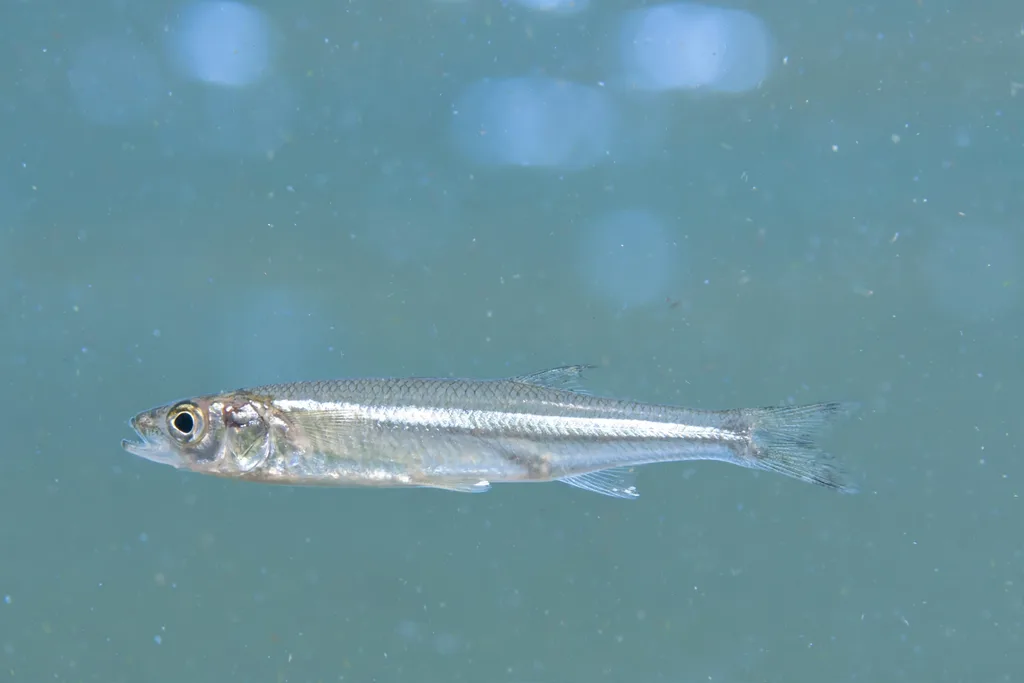
Identifying features
- Small, slender, translucent silvery silversides with a bright silver lateral stripe
- Snout pointed; in C. estor the jaw is relatively large and upturned compared with small charales
- Scales small and easily shed; body depth varies by species — the complex cannot be reliably split by eye
- True 'pescado blanco' species (C. estor, C. lucius, C. sphyraena) grow much larger than the small charal species
- Look-alike: the many Chirostoma species are near-identical — treat every large silverside in these lakes as a protected pescado blanco and release it
Habits
- Pelagic schooling silversides that feed on zooplankton and small invertebrates
- Move in open water over lake basins by day and toward shores seasonally
- Spawn over shallow vegetated margins; eggs attach to plants and filamentous algae
- Populations have collapsed from overfishing, pollution, lake-level loss and introduced bass, carp and tilapia
Distribution
Where to find them
- Observation only: open water of Lakes Pátzcuaro and Chapala
- Spring spawning shores — observe from a distance, do not fish them
- Docks and shorelines where silverside schools show at the surface
Where they live
How to catch them
Watch and identify (no angling) Lake
Rig: Binoculars and camera; no tackle in the water for these species
Bait/lure: No bait — observation and identification only
Key tip: Watch schools from docks and shorelines without fishing them; report sightings to local conservation programmes.
Incidental encounter: release gently Lake
Rig: Barbless micro hooks only when legally fishing for other species; wet hands
Bait/lure: Not applicable — release immediately
Key tip: If a Chirostoma is caught by accident, unhook it in the water and release with no air exposure.
Support farmed fish instead Lake
Rig: No tackle — a buying choice
Bait/lure: Certified farmed fish from markets only
Key tip: For the traditional dish, buy only certified aquaculture pescado blanco, never wild threatened fish.
Best baits & lures
Baseline setup
- Rod: Ultralight micro rod — for identification encounters only
- Line: 2-6 lb line for incidental micro fishing only — release all Chirostoma
- Terminal: Barbless micro hooks; wet hands; keep fish in water
Recommended gear for this species
Rod · Budget
7' light spinning rod
≈ US$50-90
Light enough to cast 1/32 oz jigs, strong enough for a slab crappie or a bonus drum.
Reel · Budget
1000-2000 size spinning reel
≈ US$40-70
Balances a light rod and handles 4-6 lb line — all panfishing ever asks of a reel.
Terminal · Budget
Micro jigs, small hooks and slip floats (panfish kit)
≈ US$15-25
A bobber over a tiny jig tipped with a worm catches every sunfish, crappie and perch in the lake.
Picks are never paid placements. Prices are guides; price links are coming soon and none is an affiliate link yet.
Typical size
Small charales 8-15 cm; pescado blanco (C. estor) historically to about 42 cm TL — rarely large today
On the table
Historically prized ('pescado blanco' and charales are a pre-Hispanic food tradition), but wild threatened species must NOT be kept — eat only legally farmed fish from certified aquaculture.
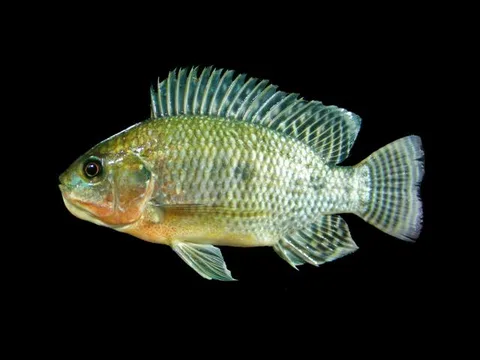
Similar species
Regulations vary by area and can change in-season — always check the official rules for your area before you fish. Regulations guide →
Plan a trip for Charal (Pátzcuaro Whitefish complex)
Build today's plan⚠ Heads-up: Charal (Pátzcuaro Whitefish complex) doesn't occur around Vancouver, BC (or is very rare there), so it's not a sensible local target. Your plan stays in Vancouver, BC and is built around the fish that actually live there.