
Freshwater · Late spring through autumn; after dark
European Eel
Anguilla anguilla
⚠ STATUS WARNING: The European eel is listed as CRITICALLY ENDANGERED by the IUCN and in long decline. Rules differ sharply by country: it is legal to fish in many German states under minimum sizes and closed seasons; recreational take is largely prohibited in the Netherlands; in England most eels must be released. NEVER assume you may keep one — check the local rules before you even fish, and release eels by default.
Seasons · Peak
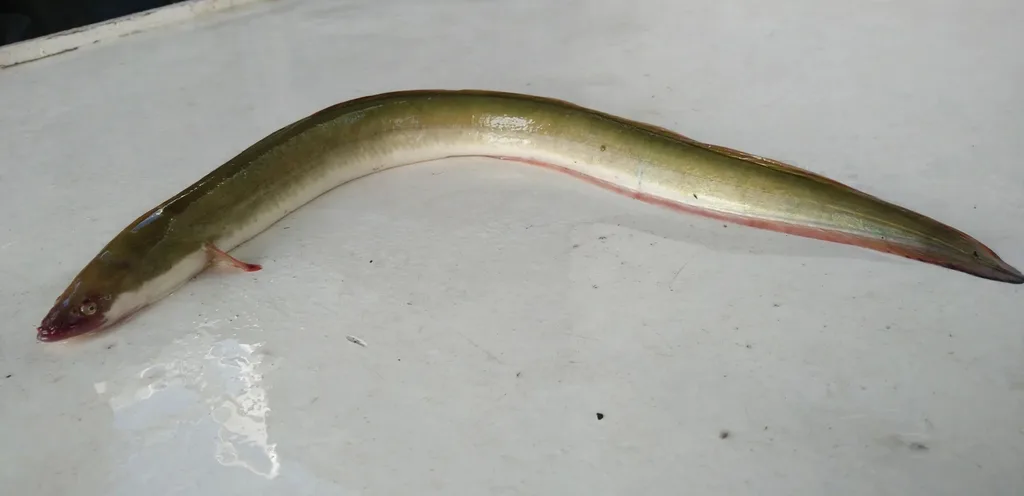
Identifying features
- Long, snake-like body with a continuous dorsal, tail and anal fin forming one frill
- Small pectoral fins and no pelvic fins at all
- Yellow-brown flanks in the freshwater 'yellow eel' stage, turning silver-black as a migrating 'silver eel'
- Tiny embedded scales — the skin feels smooth and very slimy, with a small, pointed head
- Lower jaw slightly longer than the upper; eyes small in yellow eels, enlarged in silver eels
Habits
- Catadromous — born in the Sargasso Sea, drifting to Europe as glass eels, then living years in fresh water before the silver-eel return migration
- A strict night feeder that hunts fish, worms, molluscs and carrion by scent along the bottom
- Slips into mud and weed by day and can travel short distances over wet grass on damp nights
- Numbers have crashed since the 1980s — glass-eel recruitment is a small fraction of historic levels, hence the Critically Endangered listing
- Swallows baits deeply; use barbless or circle-style hooks where legal and release fish quickly and wet-handed
Distribution
Where to find them
- Slow river pools and jetties on the Rhine, Thames and Ebro — check rules first
- Dutch polder drains and canals — recreational take is largely prohibited there
- Irish and north-German brackish lagoons and tidal creeks at night
Where they live
How to catch them
Night ledgering in river pools River
Rig: Running ledger with a strong hook and lobworm bait in slow river pools and drains, fished after dark on an alarm — only where the rules allow fishing
Bait/lure: Lobworms, bunches of worms
Key tip: Check the local rules before the first cast; in many waters strict release applies, and deep-hooked fish are cut off at the trace rather than having the hook dragged out.
Stillwater bottom fishing after dark Lake
Rig: Bottom ledger rig at weedy lake edges and gravel-pit margins, bait hard on the bottom, fished at night on alarms
Bait/lure: Worms, prawns, deadbaits where legal
Key tip: Handle with wet hands, unhook in the water if possible and release quickly — the species is critically endangered and every adult eel counts.
Best baits & lures
Baseline setup
- Rod: Medium 10-12 ft ledger rod with a sensitive tip or alarm
- Line: 10-15 lb mono with a strong hooklength; eels bite through light line
- Terminal: Running ledgers, size 2-6 strong hooks, wire or heavy mono traces
Recommended gear for this species
Rod · Best value
9' 5-weight fly rod outfit
≈ US$180-260
Covers chironomid lakes and small rivers with one setup.
Flies · Budget
Chironomid assortment (30 patterns)
≈ US$25-40
Chironomids are 60% of a lake rainbow's diet in spring.
Picks come from our rule library — never paid placements. Prices are guides; affiliate links may earn us a commission.
Typical size
Common 16-24 in (40-60 cm), about 0.5-1.5 lb (0.2-0.7 kg); large females to 40 in (100 cm) and 6 lb (2.7 kg) and more are now rare
On the table
Historically prized, but do not take them: critically endangered, long-lived and fatty fish that accumulate pollutants — release is the right default almost everywhere.
Similar species
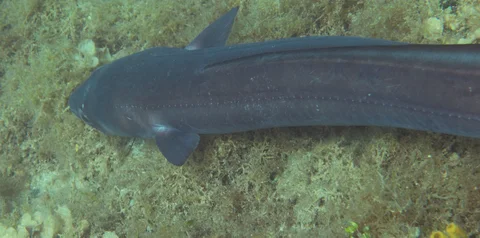
Regulations vary by area and can change in-season — always check the official rules for your area before you fish. Regulations guide →
Plan a trip for European Eel
Build today's plan