
Saltwater · Summer and early autumn inshore
European Pilchard
Sardina pilchardus
This is the true sardine of Europe — the fish behind the tinned sardine, and a cornerstone forage fish of the Mediterranean and the eastern Atlantic. In summer the great shoals push inshore, and pier anglers take them on sabiki feather rigs in the evenings. The page name is 'European Pilchard'; 'sardine' is the same fish under its better-known name.
Seasons · Peak
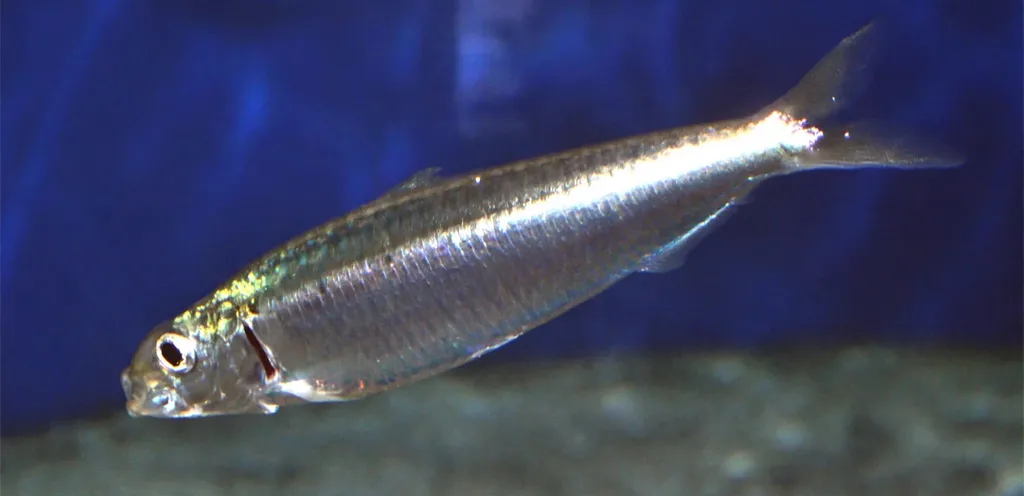
Identifying features
- Slender, herring-like silvery body with a blue-green back
- Single short dorsal fin set just ahead of mid-body, well in front of the pelvic fins
- A row of dark spots along the upper flank, sometimes faint or broken
- Gill cover marked with radiating bony grooves
- Lower jaw projecting slightly, and large scales that shed very easily
Habits
- Forms vast, dense surface shoals that darken the water
- Filter-feeds on plankton, straining tiny crustaceans and eggs through its gill rakers
- Moves inshore and shallower in summer, deeper and further out in winter
- Gathers under pier lights at night, drawing bass, mackerel and tuna after it
- Spawns in open water in the cooler months, scattering eggs into the plankton
Distribution
Where to find them
- Piers and harbour walls on summer evenings
- Headlands and bays where birds work over surface shoals
- Small-boat drifts over inshore plankton lines and colour changes
Where they live
How to catch them
Sabiki feathers from the pier Shore
Rig: A string of 4-6 tiny feathered hooks (size 10-14) under a small weight, jigged gently beside pier piles and harbour walls
Bait/lure: Bare feathers, or a pinhead of shrimp on each hook
Key tip: Fish dawn and dusk when the shoals push in; keep caught fish in a bucket of seawater, as the scales shed at a touch.
Working the shoals from a drifting boat Boat
Rig: Light spinning rod with a small sabiki string or tiny metal jig, cast to the edge of surface-feeding shoals found by birds or sonar
Bait/lure: Sabiki feathers or a 1/4-1/2 oz silver jig
Key tip: Approach quietly upwind and cast to the edge of the shoal — driving into the middle puts the whole school down.
Best baits & lures
Baseline setup
- Rod: Light 8-10 ft spinning or pier rod
- Line: 6-10 lb mono
- Terminal: Sabiki rigs size 10-14, small drilled weights
Recommended gear for this species
Rod · Best value
9' medium-heavy surf spinning rod
≈ US$110-170
Casts plugs and bait past the breakers and handles stripers, drum and bluefish in the wash.
Reel · Best value
5000 size sealed spinning reel
≈ US$120-180
Salt spray and dunkings kill cheap reels — a sealed body and 30 lb braid capacity are the surf standard.
Terminal · Budget
Topwater plugs, soft-plastic jigs and fish-finder rigs
≈ US$25-40
Plugs for blitzes, jigs for the trough, bait on a fish-finder rig when they won't chase — the inshore trio.
Picks come from our rule library — never paid placements. Prices are guides; affiliate links may earn us a commission.
Typical size
Common 6-8 in (15-20 cm); large fish to about 10 in (25 cm)
On the table
Excellent — the classic sardine; superb grilled fresh over charcoal, and the fish of the canning trade.
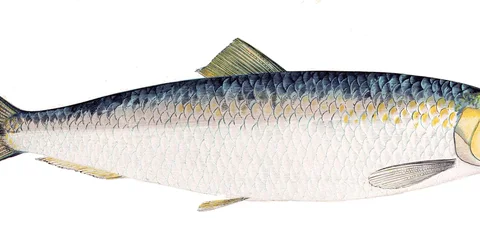
Similar species
Regulations vary by area and can change in-season — always check the official rules for your area before you fish. Regulations guide →
Plan a trip for European Pilchard
Build today's plan