
Saltwater · Warm months from late spring through fall; mornings in the wash are best
Gafftopsail Pompano
Trachinotus rhodopus
A small yellow-finned Pacific pompano of sandy surf beaches — from Baja and the Sea of Cortez down the Mexican mainland coast, taken on sand crabs, shrimp and small jigs in the wash.
Seasons · Peak
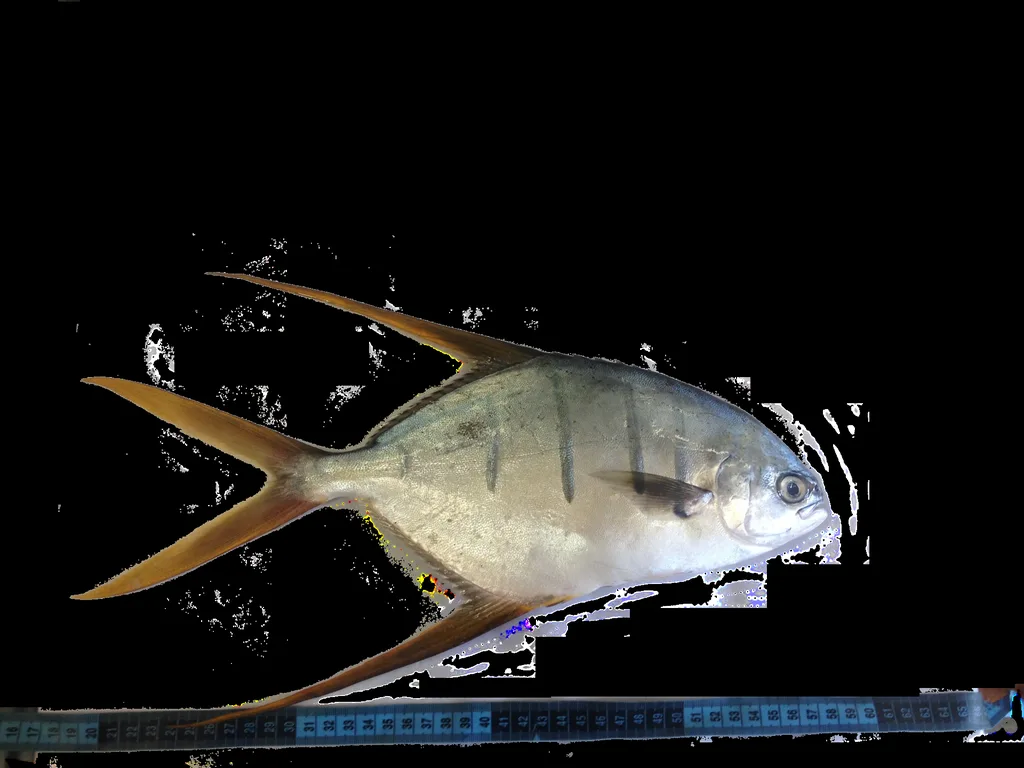
Identifying features
- Deep diamond-shaped silver body with yellow fins, especially the forked tail
- Dorsal fin long and sail-like at the front — the tall lobe gives the 'gafftopsail' name
- Dark vertical bars on juveniles that fade with age
- Small mouth and blunt forehead, like other pompanos
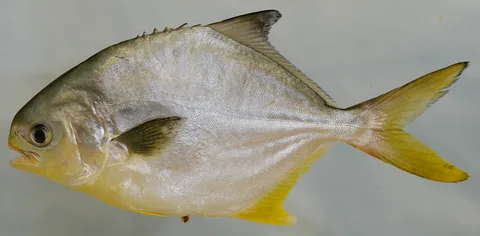
- Look-alike: Florida pompano is an Atlantic species; this yellow-finned fish is Pacific only
Habits
- Schools over sand in the surf, tipping to pick small invertebrates from the wash
- Feeds on small invertebrates and small fishes
- Most active in warm water and in the morning wash
- Often mixes with other small jacks and pompanos along the same beach
Distribution
Where to find them
- Surf wash and troughs on East Cape and La Paz sand beaches
- Sand edges next to reefs and rocky points
- Shallow bays around Mazatlán and Bahía de Banderas
Where they live
How to catch them
Surf fishing with sand crabs Shore
Rig: Light Carolina rig, #2 hook, 1/2-1 oz egg sinker
Bait/lure: Sand crabs, shrimp pieces
Key tip: Cast short into the wash — pompano feed where the surf churns the sand.
Small jigs in the surf Shore
Rig: Light spinning rod, 1/4-1/2 oz jigs and spoons
Bait/lure: Small metal jigs, Krocodile-style spoons
Key tip: Retrieve fast with pauses while walking the moving water's edge.
Beach-walking fly fishing Shore
Rig: 8/9-weight fly rod, small Clousers and shrimp patterns
Bait/lure: Small white bucktails and Clouser flies
Key tip: Walk East Cape beaches and cast to schools seen in the clear wash.
Best baits & lures
Baseline setup
- Rod: 8-10 ft surf rod or 7 ft light spinning rod
- Line: 10-20 lb braid, 20 lb fluorocarbon leader
- Terminal: Carolina rigs, small jigs and spoons, #2-1/0 hooks
Recommended gear for this species
Rod · Best value
9' medium-heavy surf spinning rod
≈ US$110-170
Casts plugs and bait past the breakers and handles stripers, drum and bluefish in the wash.
Reel · Best value
5000 size sealed spinning reel
≈ US$120-180
Salt spray and dunkings kill cheap reels — a sealed body and 30 lb braid capacity are the surf standard.
Terminal · Budget
Topwater plugs, soft-plastic jigs and fish-finder rigs
≈ US$25-40
Plugs for blitzes, jigs for the trough, bait on a fish-finder rig when they won't chase — the inshore trio.
Picks are never paid placements. Prices are guides; price links are coming soon and none is an affiliate link yet.
Typical size
Common about 25 cm (under 1 lb); max about 61 cm / 1.3 kg
On the table
Good — firm white flesh like other pompanos, best fresh; small fish are often released.
Similar species
Regulations vary by area and can change in-season — always check the official rules for your area before you fish. Regulations guide →
Plan a trip for Gafftopsail Pompano
Build today's plan⚠ Heads-up: Gafftopsail Pompano doesn't occur around Vancouver, BC (or is very rare there), so it's not a sensible local target. Your plan stays in Vancouver, BC and is built around the fish that actually live there.