
Freshwater · Open seasons vary by stream; late spring through fall best where fishing is allowed, under special regulations
Gila Trout
Oncorhynchus gilae
STATUS: The Gila trout is listed under the U.S. Endangered Species Act (ESA) — downlisted from Endangered to Threatened in 2006 after decades of restoration — and is LEGALLY FISHABLE only in designated restored streams under strict special rules, as a member of the 'ESA trio' with Lahontan cutthroat and Apache trout; always check current stream-by-stream regulations. This golden-yellow native trout of tiny Southwest headwaters keeps its parr marks for life.
Seasons · Peak
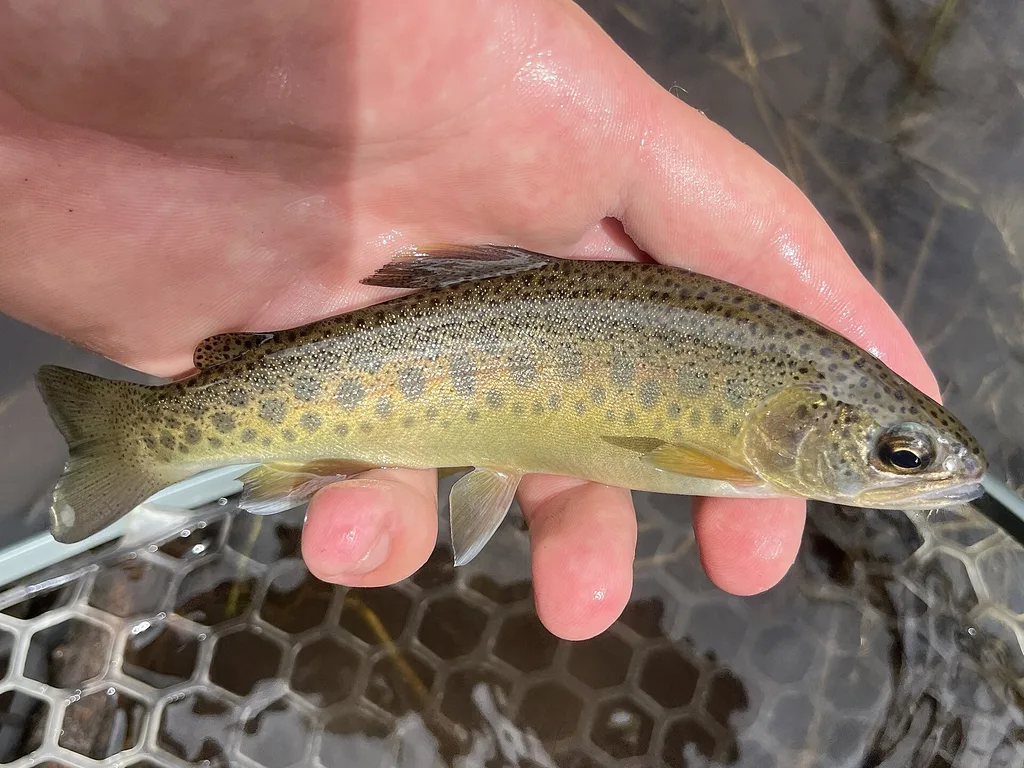
Identifying features
- Golden-yellow to coppery body, unmistakable in its home streams
- Fine, dense black spots concentrated on the back and tail
- Parr marks (vertical blotches) retained throughout adult life
- Yellow cutthroat-like throat mark, usually faint
- White to orange tips on the dorsal, anal and pelvic fins
Habits
- Native only to headwaters of the Gila River in Arizona and New Mexico
- Lives in tiny, cold mountain streams, holding in pools and under cover
- Feeds on aquatic insects and small invertebrates
- Spawns in spring in clean gravel when flows are right
- Recovered through hatchery and stream restoration; many streams remain closed or catch-and-release only
Distribution
Where to find them
- Designated restored streams in the Gila Wilderness, New Mexico
- Aldo Leopold Wilderness creeks open under special rules
- Selected Arizona headwater streams where Gila trout fishing is authorized
Where they live
How to catch them
Dry flies and nymphs in restored headwaters River
Rig: Light fly rod, small dry flies and tiny nymphs presented delicately in the designated restored streams open under special regulations
Bait/lure: Mayfly and caddis dries, tiny bead-head nymphs
Key tip: Wade quietly and keep fish in the water — these are small, wild ESA-listed trout and most fisheries are catch-and-release with barbless flies only.
Light fly tackle in wilderness creeks River
Rig: Short light fly rod for tight brushy creeks in the Gila and Aldo Leopold wilderness, with short leaders and small flies
Bait/lure: Attractor dries, small terrestrials
Key tip: Hike-in creeks fish best early and late; verify the specific creek is open before going, as status changes stream by stream.
Best baits & lures
Baseline setup
- Rod: 2-4 wt fly rod, 7-8 ft
- Line: Floating fly line with 5X-6X leader
- Terminal: Barbless dry flies and nymphs, size 14-20
Recommended gear for this species
Rod · Best value
9' 5-weight fly rod outfit
≈ US$180-260
Covers chironomid lakes and small rivers with one setup.
Flies · Budget
Chironomid assortment (30 patterns)
≈ US$25-40
Chironomids are 60% of a lake rainbow's diet in spring.
Picks come from our rule library — never paid placements. Prices are guides; affiliate links may earn us a commission.
Typical size
Common 6-10 in (15-25 cm); large stream fish to about 12-14 in (30-36 cm)
On the table
Fair trout flesh, but as an ESA-listed native under special regulations it is best released; keep only where the rules clearly allow it.
Similar species
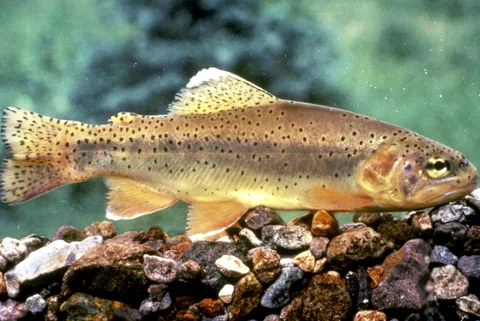 Apache TroutApache trout is also golden but carries a dark eye-band mask and bolder spotting through the eye; Gila trout keeps lifelong parr marks and finer spots. Note Apache trout was delisted in 2024, while Gila trout remains ESA-listed
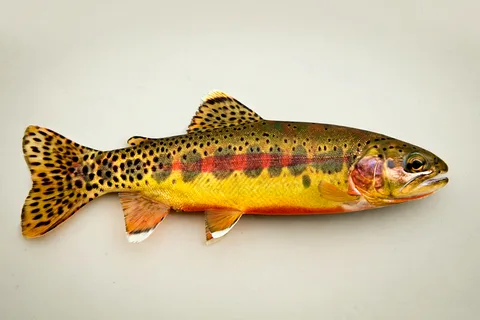 Golden TroutCalifornia golden trout is a high-Sierra fish with vivid red belly colour and fewer, larger spots; Gila trout is a Gila-basin desert-mountain fish with fine dense spots and lifelong parr marks
Regulations vary by area and can change in-season — always check the official rules for your area before you fish. Regulations guide →
Plan a trip for Gila Trout
Build today's plan