
Saltwater · Year-round inshore; best spring and fall, with a fall move toward the passes
Gulf Flounder
Paralichthys albigutta
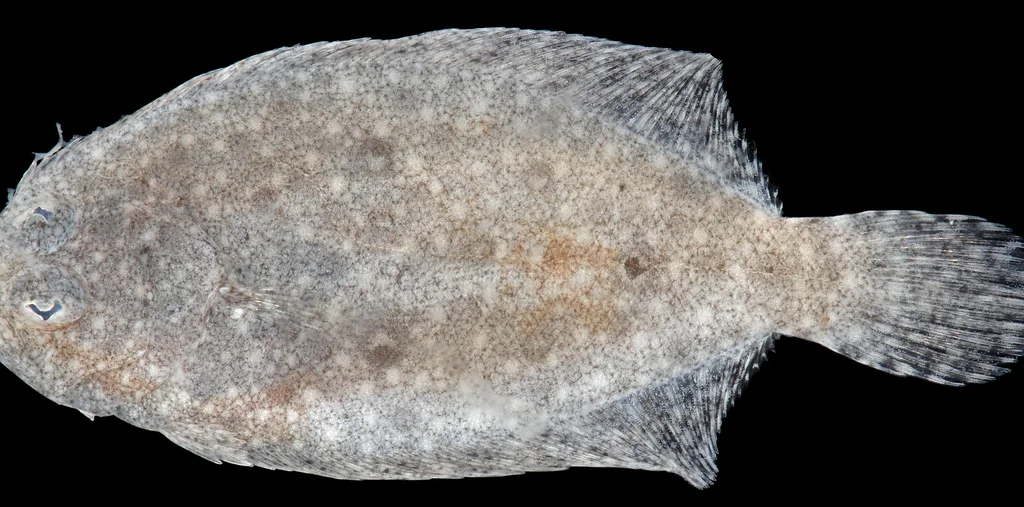
The smaller of the Gulf's left-eye flounders, identified instantly by the THREE ocellated (eye-like) spots arranged in a triangle on its eyed side — one above, one below and one at the lateral line. It lies buried on bay bottoms around docks and grass edges, ambushing shrimp and small fish, and is a fine table fish despite its smaller size.
Seasons · Peak
Identifying features
- THREE ocellated spots in a triangle on the brown eyed side — the instant ID; no other Gulf flounder shows exactly three
- Both eyes on the left side of the head; underside blind and white
- Mottled brown camouflage that shifts to match sand and mud
- Moderate, toothy mouth reaching back below the eye
- Smaller and slimmer than southern or summer flounder, rarely over a few pounds
Habits
- Lies buried in sand or mud with only the eyes exposed, waiting in ambush
- Darts up to grab shrimp, mud minnows and small baitfish passing overhead
- Works dock lines, seawalls and grass edges where current carries food past
- Moves toward passes and offshore waters in fall and winter to spawn
- Feeds best on moving water; commonly gigged at night on shallow flats — check local gigging rules
Distribution
Where to find them
- Dock and seawall lines in Florida and Gulf bays
- Sandy potholes and grass edges in bay systems from the Panhandle to Texas
- Passes and channel edges in fall
Where they live
How to catch them
Jigs and mud minnows around bay structure Shore
Rig: Light-medium spinning rod, 1/8-1/4 oz jig head with a small soft plastic, or a Carolina-rigged live mud minnow, worked slowly along docks, seawalls and bay structure
Bait/lure: Mud minnows, soft-plastic jigs
Key tip: Drag it slowly along the bottom and pause — flounder follow and strike on the pause; most bites feel like a soft weight, not a hit.
Gigging on night flats Boat
Rig: Gig and underwater light worked on foot or from a shallow-draft boat over night flats, spearing flounder lying on the sand
Bait/lure: None — sight gigging
Key tip: Work calm, clear nights on a rising tide and learn the outline in the sand; gigging rules and seasons vary by state — check current regulations first.
Best baits & lures
Baseline setup
- Rod: Light-medium 7 ft spinning rod
- Line: 10-15 lb braid with a 20 lb leader
- Terminal: 1/8-1/4 oz jig heads, small soft plastics, 2/0-3/0 hooks for minnows
Recommended gear for this species
Rod · Best value
9' 5-weight fly rod outfit
≈ US$180-260
Covers chironomid lakes and small rivers with one setup.
Flies · Budget
Chironomid assortment (30 patterns)
≈ US$25-40
Chironomids are 60% of a lake rainbow's diet in spring.
Picks come from our rule library — never paid placements. Prices are guides; affiliate links may earn us a commission.
Typical size
Common 12-15 in (30-38 cm), 1-2 lb; large fish to about 28 in (71 cm)
On the table
Excellent — mild, white, flaky flesh, prized at the table though thinner fillets than its larger cousins.
Similar species
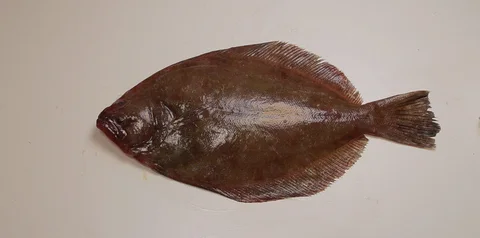 Southern FlounderSouthern flounder is larger with dark blotches that are NOT ocellated eye-spots; Gulf flounder shows exactly three ringed ocellated spots in a triangle
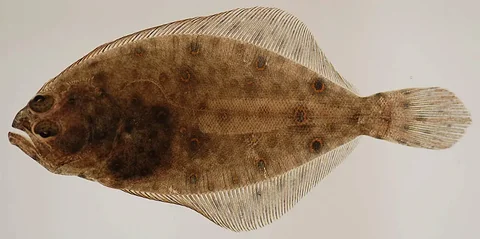 Summer FlounderSummer flounder (fluke) is an Atlantic fish with five or more ocellated spots scattered over the body; Gulf flounder has three spots in a neat triangle and a Gulf range
Regulations vary by area and can change in-season — always check the official rules for your area before you fish. Regulations guide →
Plan a trip for Gulf Flounder
Build today's plan