
Saltwater · Year-round in estuaries; best during the fall migration from September to December — check current rules
Southern Flounder
Paralichthys lethostigma
The Gulf and South Atlantic's main inshore flatfish, a left-eyed ambush predator of marsh edges and bay bottoms. Stocks have declined and Gulf and Atlantic states have tightened seasons and limits — always check the current rules before keeping one. Females grow much larger than males and do most of the offshore spawning migration each fall.
Seasons · Peak
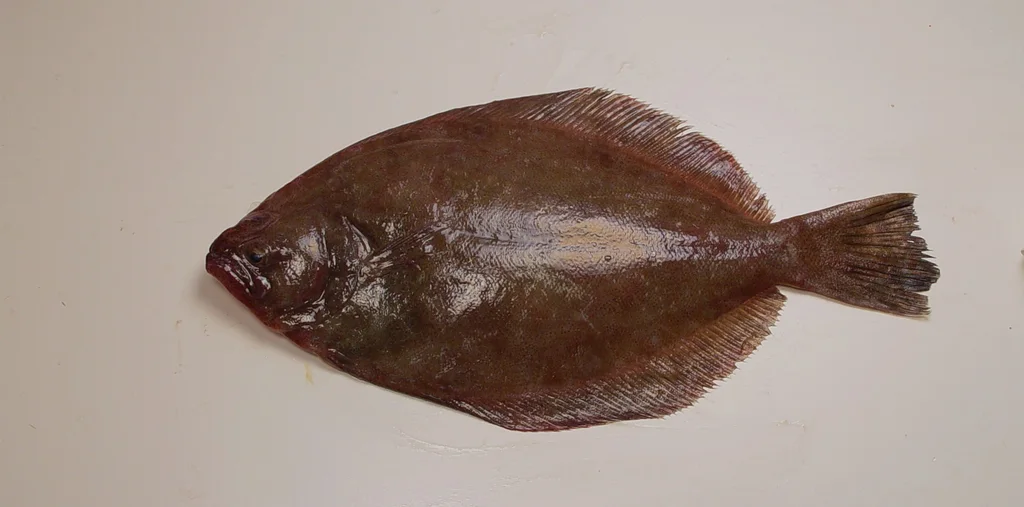
Identifying features
- Both eyes on the left side of a flat, oval body
- Brown-olive top side with mottling but NO ocellated (eye-like) spots
- Blind underside is plain white
- Large mouth with visible sharp teeth for a flatfish
- Top side changes shade to match sand or mud
Habits
- Lies buried in sand or mud and ambushes shrimp and small fish
- Juveniles grow up in low-salinity estuaries and marsh creeks
- Adults migrate offshore in fall to spawn in winter — the famous 'flounder run'
- Feeds most actively on moving tides around marsh drains and passes
- Because stocks have declined, many states now use closed seasons and slot limits — check current rules
Distribution
Where to find them
- Marsh edges and creek mouths in Louisiana and Texas bays
- Florida Panhandle passes and dock lights
- Carolina and Georgia inlets during the fall run
Where they live
How to catch them
Mud minnows and finger mullet around marsh edges Shore
Rig: Jig head or Carolina rig baited with a mud minnow or finger mullet, dragged slowly along marsh edges, creek mouths and dock pilings
Bait/lure: Mud minnows, finger mullet
Key tip: Fish painfully slowly and pause after a strike — flounder grab the bait, then turn it before swallowing.
Gigging at night in the fall flounder run Shore
Rig: Shallow skiff or wading with bright lights and a gig, working sand flats and marsh shorelines on calm fall nights
Bait/lure: None — gigging by light
Key tip: State rules on gigging, seasons and limits vary widely and have tightened with stock declines — check the current rules first.
Best baits & lures
Baseline setup
- Rod: Medium-light 7 ft spinning rod
- Line: 10-15 lb braid with 20 lb leader
- Terminal: Jig heads, Carolina rigs, 2/0-3/0 hooks
Recommended gear for this species
Rod · Best value
9' 5-weight fly rod outfit
≈ US$180-260
Covers chironomid lakes and small rivers with one setup.
Flies · Budget
Chironomid assortment (30 patterns)
≈ US$25-40
Chironomids are 60% of a lake rainbow's diet in spring.
Picks come from our rule library — never paid placements. Prices are guides; affiliate links may earn us a commission.
Typical size
Common 1-3 lb (0.45-1.4 kg); large females 5-10 lb (2.3-4.5 kg)
On the table
Excellent — mild, delicate white flakes; one of the most prized inshore food fish, where seasons allow keeping it.
Similar species
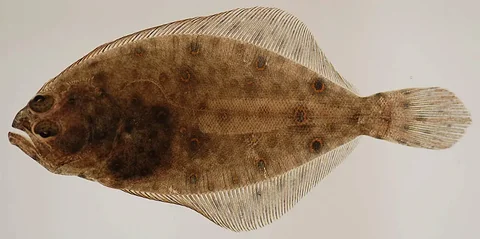 Summer FlounderSummer flounder carries five prominent ocellated spots on its top side; southern flounder has mottling but no ocellated spots at all
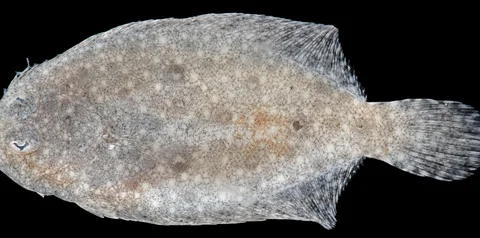 Gulf FlounderGulf flounder is smaller and marked with three bold ocellated spots in a triangle; southern flounder grows larger and has no ocellated spots
Regulations vary by area and can change in-season — always check the official rules for your area before you fish. Regulations guide →
Plan a trip for Southern Flounder
Build today's plan