
Freshwater · Spring to autumn; Lake Biwa lure fishing peaks with warming water
Hasu (Three-lips)
Opsariichthys uncirostris
Both sides must be written: the Lake Biwa endemic subspecies of hasu is Red List VU (vulnerable) and protected in its native lake. Where the species has been introduced — Kanto and beyond — it is instead treated as an invasive problem predator. In Lake Biwa it is a lure target; elsewhere it is a bass-fishing bycatch.
Seasons · Peak
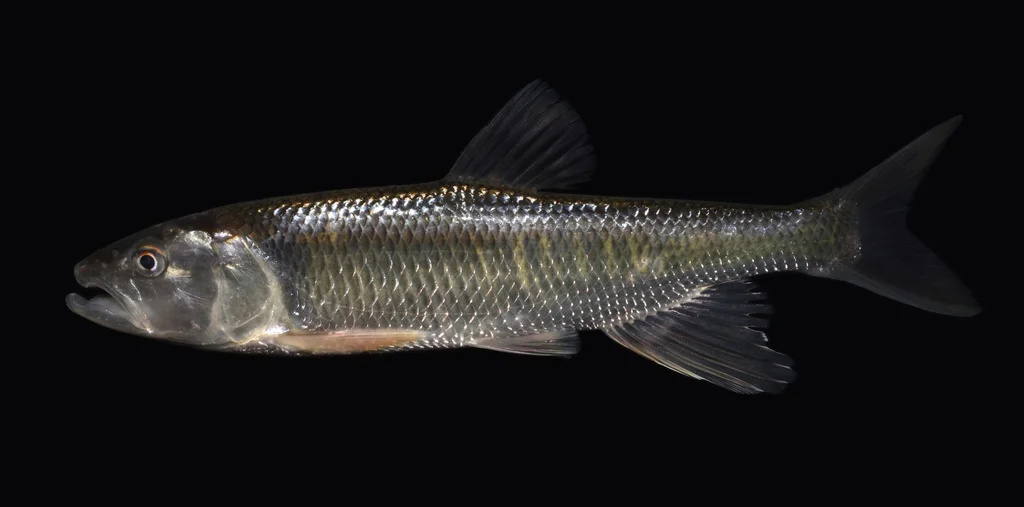
Identifying features
- Distinctive upturned mouth split into three lobes — the 'three-lips' name
- Streamlined, silvery predatory body unlike the deep-bodied funa
- Lower jaw protrudes and points upward for surface and mid-water feeding
- Relatively large scales and a forked tail for chasing prey
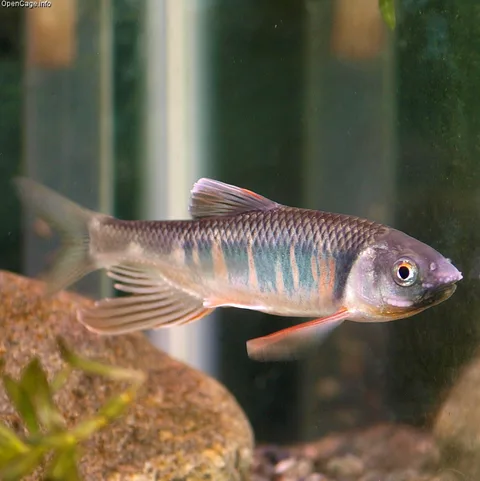
- Breeding males show reddish-orange colour on the head and fins
Habits
- An active predator of small fish, unusual among the carp family
- In Lake Biwa it follows schools of small fish in open water
- Where introduced beyond its native range it is treated as an invasive problem predator that eats native small fish
- A known lure target in Lake Biwa and a bass-fishing bycatch elsewhere
- Spawns in spring to early summer; males develop breeding colour and tubercles
Distribution
Regional coverage expanding
Where to find them
- Northern Lake Biwa, Shiga — open water and rocky shores (endemic subspecies protected here; follow local rules)
- Lake Kasumigaura, Ibaraki — introduced population, lure bycatch
- Tone River system, Kanto — introduced fish in river runs
Where they live
How to catch them
Lure fishing in Lake Biwa Lake
Rig: Light spinning tackle casting small spoons or minnows along rocky shores and open water of Lake Biwa
Bait/lure: Small spoons, spinners and minnow plugs
Key tip: Watch for small-fish surface activity; hasu slash into baitfish schools on the hunt.
River lure fishing for introduced fish River
Rig: Spinning rod working small minnow plugs and spoons through runs of the Tone system and similar introduced waters
Bait/lure: Small minnows and spoons in river runs
Key tip: Fish edges and current seams where predators wait for small fish.
Best baits & lures
Baseline setup
- Rod: Light to medium-light spinning rod 6-7 ft
- Line: 6-10 lb PE or nylon for lure fishing
- Terminal: Small spoons, spinners and minnow plugs; small hooks for bait fishing
Recommended gear for this species
Rod · Best value
9' 5-weight fly rod outfit
≈ US$180-260
Covers chironomid lakes and small rivers with one setup.
Flies · Budget
Chironomid assortment (30 patterns)
≈ US$25-40
Chironomids are 60% of a lake rainbow's diet in spring.
Picks come from our rule library — never paid placements. Prices are guides; affiliate links may earn us a commission.
Typical size
Common 8-12 in (20-30 cm); large Lake Biwa fish to about 16 in (40 cm)
On the table
Eaten locally around Lake Biwa in traditional preparations, but introduced fish elsewhere are mainly a lure-fishing bycatch/target and are not prized; in its native lake the endemic subspecies is protected and must not be kept.
Similar species
Regulations vary by area and can change in-season — always check the official rules for your area before you fish. Regulations guide →
Plan a trip for Hasu (Three-lips)
Build today's plan