
Freshwater · Year-round; most active spring to autumn in big rivers
Japanese Barbel
Hemibarbus barbus
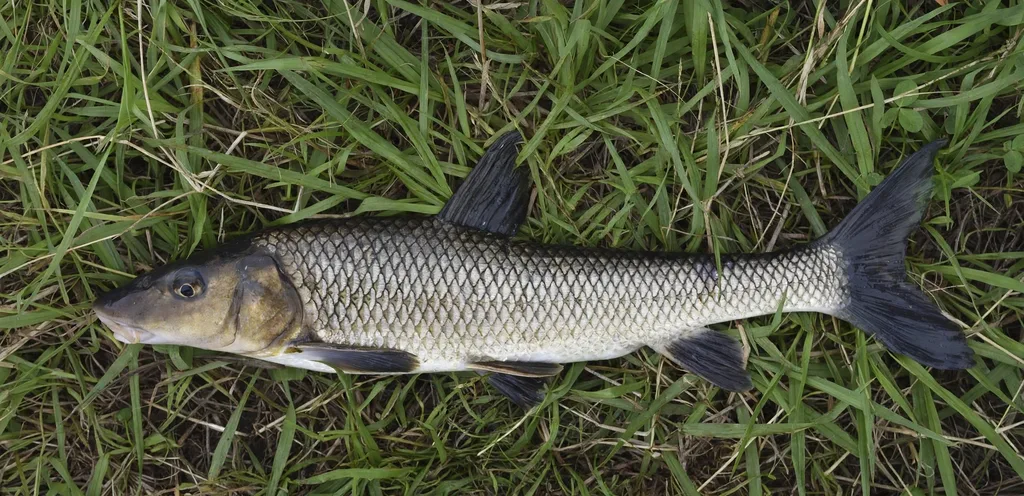
Despite a name that means 'koi-like', the Japanese barbel is not a carp but a predatory relative of the gudgeons. Its single pair of barbels is the key identification point. It is the main bycatch when bottom-fishing Japanese rivers for carp and crucian carp, and it fights harder than either.
Seasons · Peak
Identifying features
- Long, torpedo-shaped silvery-olive body, not deep like a carp
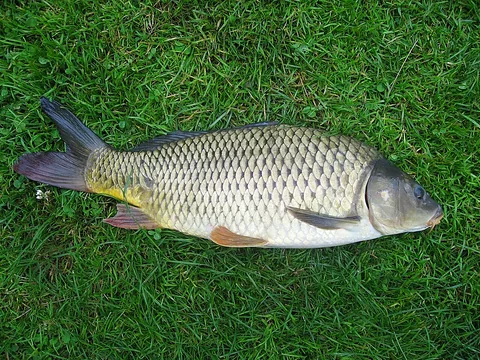
- One pair of barbels at the corners of the mouth — carp have two pairs
- Pointed snout and a slightly underslung, protruding upper jaw
- Small scales and a forked tail on a streamlined body
- No dark blotches; back olive, flanks silver, belly white
Habits
- Hunts small fish, shrimp and insect larvae along the bottom
- Most active from spring to autumn; sluggish in cold water
- Often holds behind rocks, piers and current breaks
- Frequently takes carp baits fished on the bottom
- Larger fish become increasingly fish-eating with age
Distribution
Regional coverage expanding
Where to find them
- Tone River middle and lower reaches
- Lake Kasumigaura margins and inflow rivers
- Yodo River around Osaka
Where they live
How to catch them
Bottom rig for carp in big rivers River
Rig: Simple ledger rig with a sliding sinker and a size 6-10 hook on the river bottom
Bait/lure: Earthworms, corn or carp dough bait
Key tip: Fish deep pools and current seams; most barbel arrive as bycatch while waiting for carp.
Still bottom fishing in lakes Lake
Rig: Ledger or feeder-style rig cast to lake margins and inflow mouths
Bait/lure: Dough bait or worms
Key tip: Keep the bait hard on the bottom near gravel; strikes are positive, so keep the rod in hand or the drag loose.
Best baits & lures
Baseline setup
- Rod: Medium 8-9 ft river rod
- Line: 12-16 lb mono main line
- Terminal: Sliding sinkers, swivels and size 6-10 single hooks
Recommended gear for this species
Rod · Best value
8' medium-heavy catfish rod
≈ US$80-130
Long enough to lob heavy bait rigs, strong enough to move a flathead off the bottom.
Reel · Budget
Baitcasting or 4000-6000 spinning reel
≈ US$60-100
Line capacity and drag for long runs — catfish and carp both make them.
Terminal · Budget
Circle hooks, sliding sinkers and cut-bait rigs
≈ US$15-25
A slip-sinker rig with a circle hook is the proven bottom setup for cats and carp alike.
Picks are never paid placements. Prices are guides; price links are coming soon and none is an affiliate link yet.
Typical size
Common 12-20 in (30-50 cm); large fish to about 24 in (60 cm)
On the table
Fair at best — soft, bony flesh; many anglers release it, though it is eaten locally in some regions.
Similar species
Regulations vary by area and can change in-season — always check the official rules for your area before you fish. Regulations guide →
Plan a trip for Japanese Barbel
Build today's plan⚠ Heads-up: Japanese Barbel doesn't occur around Vancouver, BC (or is very rare there), so it's not a sensible local target. Your plan stays in Vancouver, BC and is built around the fish that actually live there.