
Saltwater · Year-round; bays peak in the spring-summer pupping season, April to September
Leopard Shark
Triakis semifasciata
One of the handsomest sharks on the coast, patterned with bold black saddles and spots over a silvery-bronze body. Shallow California bays are its pupping grounds, so pups and mothers should be handled gently and released; California sets a minimum size, so check the rules before keeping one.
Seasons · Peak
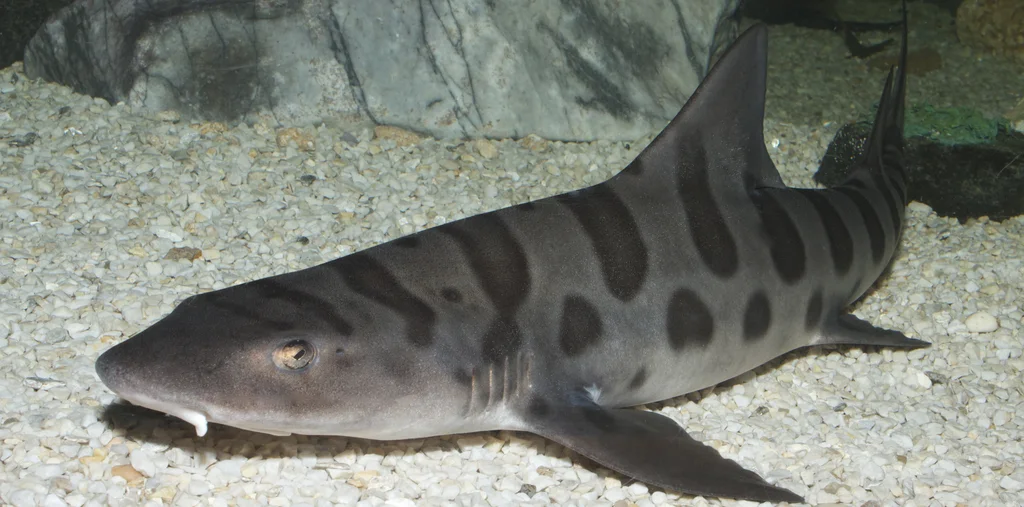
Identifying features
- Bold black saddles and spots over a silvery-grey to bronze body
- Two similar-sized dorsal fins, the second almost as large as the first
- Rounded snout with the mouth set underneath
- Small multi-cusped teeth made for crushing crabs and shellfish
- Pattern stays bold in adults — young are even more sharply marked
Habits
- Bays are pupping grounds — females give live birth to litters of pups in spring and summer
- Handle pups and mothers gently and release them — most anglers release leopard sharks
- Feeds on crabs, shrimp, clams, worms, fish eggs and small fish rooted from sand and mud
- Moves into shallow bays on the rising tide and drops out with the ebb
- California sets a minimum size for leopard sharks — check current rules before keeping one
Distribution
Where to find them
- San Francisco Bay and other California bay shallows
- Southern California bay and harbour flats at high tide
- Surf beaches and sandy points from California to Oregon
Where they live
How to catch them
Surf and bay fishing on wire leaders Shore
Rig: Heavy surf or bay rod, wire or heavy mono leader with a 6/0-8/0 circle hook baited with squid, mackerel or surfperch, cast beyond the breakers or anchored in bay channels
Bait/lure: Squid, mackerel, surfperch
Key tip: Let the bait sit and scent — leopards patrol the rising tide and find baits by smell.
Pier fishing in bays during pupping season Shore
Rig: Medium-heavy pier rod, baited hook fished on the bottom beside pier pilings and in bay channels
Bait/lure: Squid, midshipman
Key tip: Most anglers release these — bays are pupping grounds, so handle pups gently and let them go.
Best baits & lures
Baseline setup
- Rod: Heavy 9-11 ft surf rod or medium-heavy boat rod
- Line: 25-40 lb mono or braid
- Terminal: Wire leaders, 6/0-8/0 circle hooks, pyramid sinkers
Recommended gear for this species
Rod · Best value
9' 5-weight fly rod outfit
≈ US$180-260
Covers chironomid lakes and small rivers with one setup.
Flies · Budget
Chironomid assortment (30 patterns)
≈ US$25-40
Chironomids are 60% of a lake rainbow's diet in spring.
Picks come from our rule library — never paid placements. Prices are guides; affiliate links may earn us a commission.
Typical size
Common 3-4.5 ft (0.9-1.4 m); large fish to about 6 ft (1.8 m)
On the table
Good — firm, mild flesh, but most anglers release them, especially pups and breeding females; check size rules and health advice.
Similar species
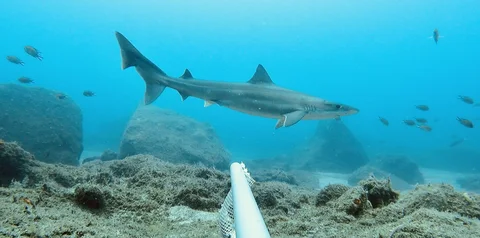 Soupfin SharkSoupfin shark is plain grey with no saddles or spots and has a taller first dorsal fin; leopard shark is boldly saddle-patterned its whole life
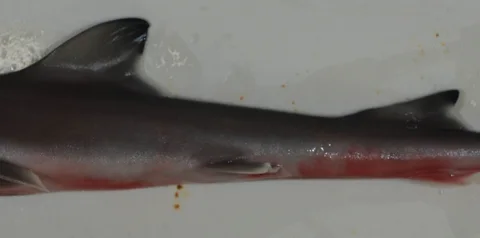 Smooth DogfishSmooth dogfish (smooth hound) is plain grey-brown, much smaller and unpatterned; leopard shark carries bold black saddles and spots
Regulations vary by area and can change in-season — always check the official rules for your area before you fish. Regulations guide →
Plan a trip for Leopard Shark
Build today's plan