
Saltwater · Summer and autumn over deep structure
Ling
Molva molva
THREE-WAY NAME TRAP: this ling is a true cod-family fish of deep Atlantic wrecks and Norwegian fjords — it is NOT the New Zealand ling (Genypterus blacodes, a cusk-eel) and NOT the Pacific lingcod (Ophiodon elongatus, a greenling). Always check the Latin name Molva molva. Lange in Norwegian.
Seasons · Peak
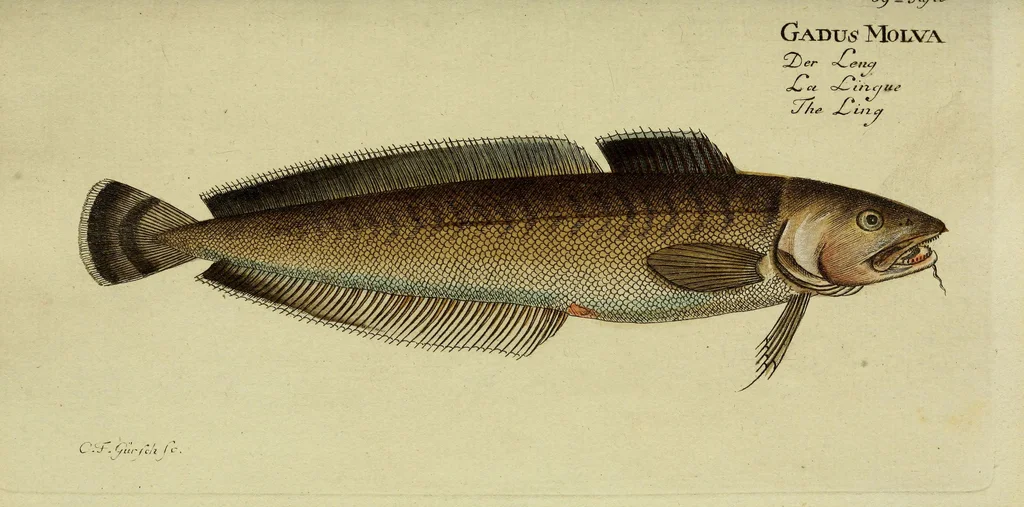
Identifying features
- Very long, eel-like cod-family body with two dorsal fins, the second very long
- Single long chin barbel, longer than the eye diameter
- Mottled brown-green to grey back, pale belly, fins edged pale at the rear
- Large mouth with strong teeth; upper jaw projects
- Anal fin long, matching the second dorsal; tail rounded
Habits
- A deep-water cod-family predator of fish, crabs and squid
- Holds tight to wrecks and rocky holes by day, roams to feed at night
- Grows slowly and lives long; big females dominate deep wrecks
- Spawns in spring on deep offshore grounds
- Takes big fish baits fished hard on the bottom
Distribution
Where to find them
- Deep wrecks off Scotland and Ireland
- Norwegian fjords and rocky deep slopes
- French and British Channel wrecks and reef edges
Where they live
How to catch them
Deep wreck fishing with big baits Boat
Rig: Heavy boat rod with a strong paternoster rig, a whole mackerel or large squid presented hard on the bottom beside a deep wreck
Bait/lure: Whole mackerel, herring, squid
Key tip: Keep the bait pinned down and give bites time — ling engulf big baits slowly.
Drifting rough ground and fjord slopes Boat
Rig: Strong flowing rig drifted over rocky slopes and fjord deeps with heavy leads to hold bottom contact
Bait/lure: Fish strips, squid, pouting
Key tip: Drift slowly along the slope edge — ling hold the line where rock meets sand.
Best baits & lures
Baseline setup
- Rod: Heavy boat rod (30-50 lb class)
- Line: 50-80 lb braid or mono for deep wreck work
- Terminal: Strong paternoster or flowing rigs, 6/0-8/0 hooks, heavy leads
Recommended gear for this species
Rod · Best value
9' 5-weight fly rod outfit
≈ US$180-260
Covers chironomid lakes and small rivers with one setup.
Flies · Budget
Chironomid assortment (30 patterns)
≈ US$25-40
Chironomids are 60% of a lake rainbow's diet in spring.
Picks come from our rule library — never paid placements. Prices are guides; affiliate links may earn us a commission.
Typical size
Common 24-48 in (60-120 cm), about 5-20 lb (2.3-9 kg); large fish to 78 in (200 cm) and 66 lb (30 kg)
On the table
Good — firm white flesh with large flakes, salted and dried traditionally in Scandinavia; watch for worms in the flesh and cook thoroughly.
Similar species
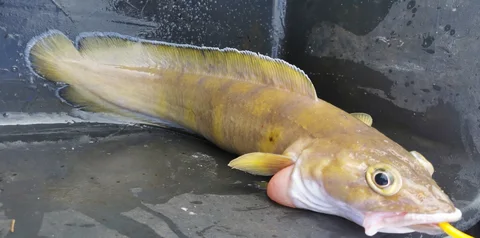 CuskCusk has a single long dorsal fin continuous with the anal fin around a rounded tail lobe; ling has two separate dorsal fins and a much longer, slimmer body
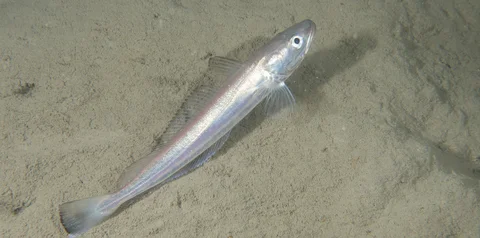 European HakeEuropean hake has two dorsal fins but NO chin barbel, a black mouth lining and a slimmer silvery body; ling has a long barbel and a mottled, eel-like profile
Regulations vary by area and can change in-season — always check the official rules for your area before you fish. Regulations guide →
Plan a trip for Ling
Build today's plan