
Saltwater · Year-round; best on the low tides of winter and spring, when rock cracks are reachable
Monkeyface Eel
Cebidichthys violaceus
Not a true eel at all — the monkeyface eel is a prickleback with a lumpy, almost monkey-like face. It is the star of poke-poling, the classic low-tide technique of working bait into rock cracks on a long bamboo pole, and poke-polers pursue it proudly along the northern and central California rock coast.
Seasons · Peak
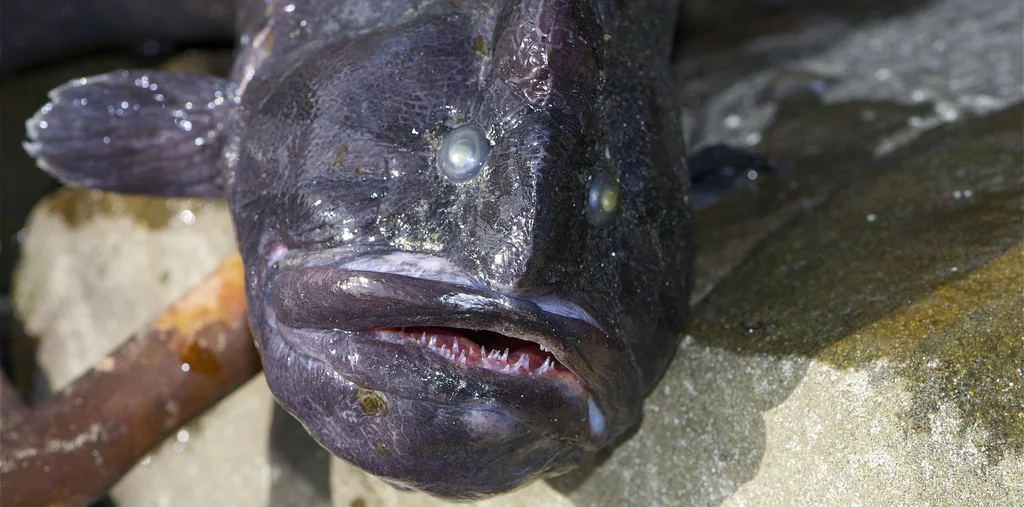
Identifying features
- Not a true eel — a prickleback, with clear pectoral fins a real eel lacks
- Lumpy, ridged brow and fleshy lips give the 'monkey' face
- Long, eel-like body, dark green to almost black with mottling
- Long, low dorsal fin running most of the body length
- Thick, muscular body built for wedging into rock cracks
Habits
- A herbivore-leaning omnivore — grazes algae and also takes crabs and shrimp
- Hides deep in rock cracks and under ledges at low tide
- Can survive in damp crevices while the tide is out
- Pulls powerfully backwards into its hole when hooked
- Most active in the intertidal zone, moving with the flooding tide
Distribution
Where to find them
- Jetty rocks at Pillar Point and Half Moon Bay
- Low-tide rocky reefs of the central and northern California coast
- Tidepool ledges on the southern Oregon coast
Where they live
How to catch them
Poke-poling at low tide Rock fishing
Rig: A long bamboo pole (10 ft / 3 m or more) with a very short wire leader and a small strong hook, worked into rock cracks and holes at low tide
Bait/lure: Shrimp pieces and squid strips
Key tip: This is THE classic monkeyface technique — probe every dark crack, wait for the deep thump, then pull steadily before the fish wedges itself in.
Baiting tidepool ledges and jetty holes Rock fishing
Rig: Short stout rod or handline with a small hook and split shot, bait dropped into tidepool ledges and jetty holes as the tide falls
Bait/lure: Shrimp, squid, crab and mussel
Key tip: Check holes the falling tide has just uncovered — resident fish are already home and feeding.
Best baits & lures
Baseline setup
- Rod: Long bamboo poke pole (10 ft+) or a short stout rod
- Line: Short wire leader or 20-30 lb mono
- Terminal: Small strong hooks (size 1-2/0), split shot
Recommended gear for this species
Rod · Best value
9' 5-weight fly rod outfit
≈ US$180-260
Covers chironomid lakes and small rivers with one setup.
Flies · Budget
Chironomid assortment (30 patterns)
≈ US$25-40
Chironomids are 60% of a lake rainbow's diet in spring.
Picks come from our rule library — never paid placements. Prices are guides; affiliate links may earn us a commission.
Typical size
Common 1-2 lb (0.5-0.9 kg); large fish to about 6 lb (2.7 kg) and 30 in (76 cm)
On the table
Good — firm, white, tasty flesh; poke-polers prize it, within local rules.
Similar species
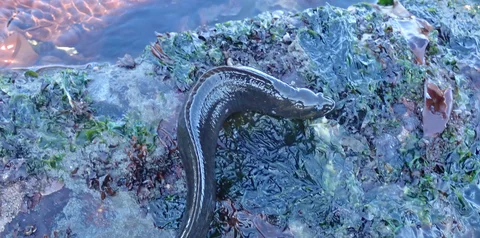 Rock PricklebackRock prickleback is smaller and slimmer with a plainer head; monkeyface eel is bigger, thick-bodied and has the lumpy ridged brow and fleshy 'monkey' face
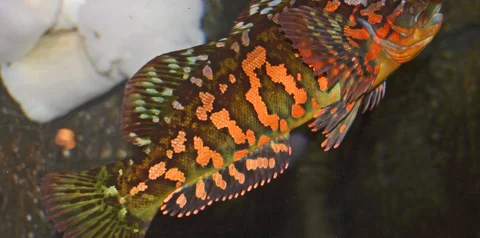 Rock GreenlingRock greenling is a stout, perch-like greenling with big pectoral fins and often green-tinted flesh, not eel-shaped; monkeyface eel is a long, eel-like prickleback
Regulations vary by area and can change in-season — always check the official rules for your area before you fish. Regulations guide →
Plan a trip for Monkeyface Eel
Build today's plan