
Saltwater · Year-round around rocks and kelp; the biggest fish are taken in the cooler months
Opaleye
Girella nigricans
A deep-bodied algae grazer named for its striking blue-green 'opal' eyes, and a Southern California rock-fishing institution. It grazes algae off the rocks, which is why frozen peas and green moss are THE baits for it. Wary and surprisingly strong, it is a favourite light-tackle test on jetty and shore rocks.
Seasons · Peak
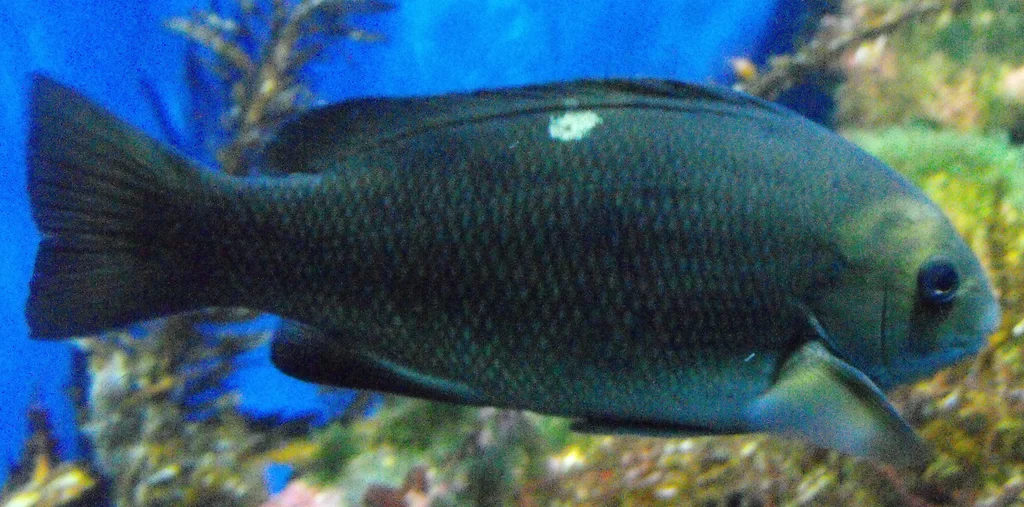
Identifying features
- Brilliant blue-green opal eyes — the name and the giveaway
- Deep, oval, compressed body in dark olive to greenish black
- One or two pale spots on the side below the dorsal fin
- Small mouth with blunt, flattened teeth made for cropping algae
- Long, low, continuous dorsal fin and a slightly forked tail
Habits
- Grazes algae and seaweed directly off rocks and kelp
- Schools over reefs and along jetties, often with halfmoon and black perch
- Feeds by day, picking in the wash around submerged rock
- Very wary — heavy line and big hooks put fish down fast
- Fights far above its size on light line, bulldogging for the rocks
Distribution
Where to find them
- Southern California jetties and breakwaters at rising tide
- Catalina and Channel Islands rock faces and kelp edges
- Rocky points and pier pilings from Santa Barbara to San Diego
Where they live
How to catch them
The famous pea technique under a float Rock fishing
Rig: Light spinning rod, small float, split shot and a size 6-8 hook baited with peas, moss or algae, fished around rocks and jetties on a rising tide
Bait/lure: Frozen peas, green moss, rock algae
Key tip: Chum sparingly with crushed peas to hold the school, and strike at the slightest dip of the float — opaleye mouth and drop baits fast.
Light tackle shrimp at kelp edges Rock fishing
Rig: Light rod, small hook and a tiny shrimp piece fished close to kelp edges and rock faces, with minimal weight
Bait/lure: Small shrimp pieces
Key tip: Keep the bait tight to the rocks in the wash; a strong fish will dive for cover, so set the drag and lift early.
Best baits & lures
Baseline setup
- Rod: Light to medium 7-8 ft spinning rod
- Line: 6-12 lb mono or fluorocarbon
- Terminal: Size 6-8 hooks, small floats, split shot
Recommended gear for this species
Rod · Best value
9' 5-weight fly rod outfit
≈ US$180-260
Covers chironomid lakes and small rivers with one setup.
Flies · Budget
Chironomid assortment (30 patterns)
≈ US$25-40
Chironomids are 60% of a lake rainbow's diet in spring.
Picks come from our rule library — never paid placements. Prices are guides; affiliate links may earn us a commission.
Typical size
Common 10-14 in (25-36 cm); large fish to about 26 in (66 cm)
On the table
Fair — mild flesh, but the algae diet can give a strong flavour; many anglers release the big breeders.
Similar species
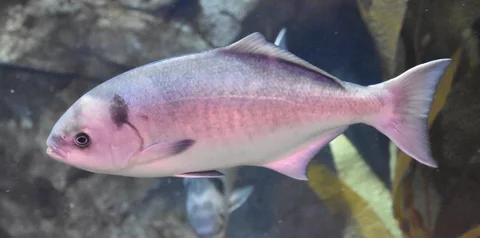 HalfmoonHalfmoon is blue-grey with an obvious half-moon (crescent) tail and ordinary dark eyes; opaleye is dark olive with glowing blue-green opal eyes and pale side spots
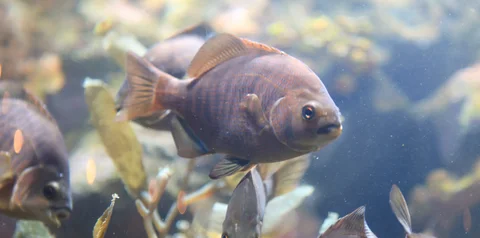 Black PerchBlack perch is a surfperch with thick lips, a taller first dorsal and often a yellow chin barbel; opaleye has a small algae-cropping mouth, opal eyes and a long low dorsal fin
Regulations vary by area and can change in-season — always check the official rules for your area before you fish. Regulations guide →
Plan a trip for Opaleye
Build today's plan