
Saltwater · Warm months best; May to October around reefs and docks
Oyster Toadfish
Opsanus tau
A squat, big-headed bottom fish of Atlantic estuaries, famous for the male's foghorn 'boatwhistle' call. In late spring and summer the male guards eggs laid inside empty shells, cans and other hollow litter on the bottom. The Gulf toadfish is a close relative found further south.
Seasons · Peak
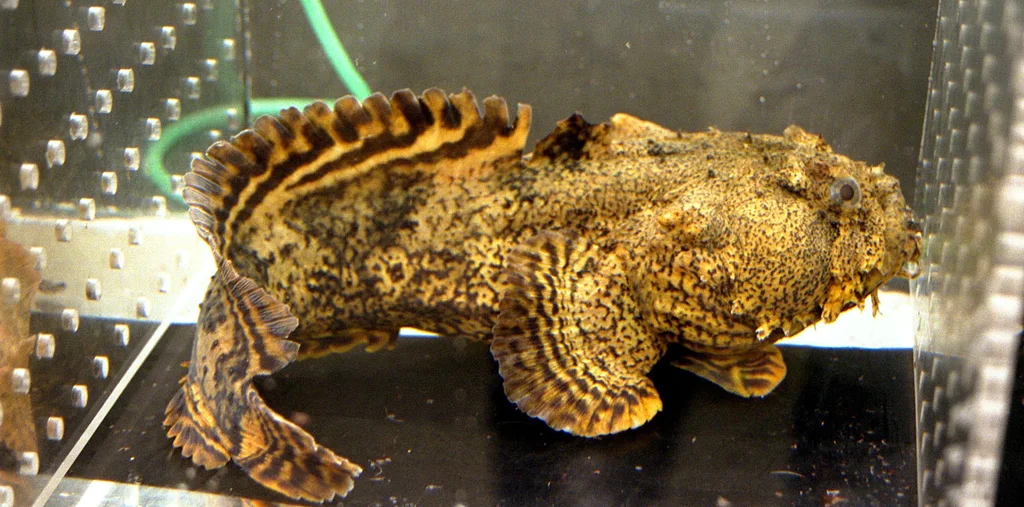
Identifying features
- Very broad, flattened head with a wide mouth and strong jaws — handle with care
- Scaleless, mottled brown skin with fleshy flaps around the mouth and head
- Small first dorsal fin, a long second dorsal and a rounded tail
- Short fleshy tentacles and a blunt, toad-like face
- Males make an audible boatwhistle call from their bottom shelter in breeding season
Habits
- Ambushes crabs, shrimp, molluscs and small fish from a reef or piling hideout
- The male calls with a boatwhistle to attract a female in late spring and summer
- Eggs are laid inside shells, cans or hollow debris and guarded by the male until they hatch
- Feeds mainly by scent and sudden lunges rather than chasing prey
- Stays tight to structure and rarely moves far from its shelter
Distribution
Where to find them
- Chesapeake Bay oyster bars and reef edges
- New York and New Jersey dock pilings and rock jetties
- Carolina inshore reefs, bridge pilings and oyster rocks
Where they live
How to catch them
Bottom baits tight to oyster reefs Shore
Rig: Simple bottom rig with a 1/0-3/0 hook and just enough weight to hold on oyster reef, pilings or rock
Bait/lure: Crab chunks or clam
Key tip: Fish it right against the structure — toadfish barely leave their shelter to feed, and expect snags on oyster bottom.
Dock bottom fishing (frequent bycatch) Shore
Rig: Small bottom rig with crab or shrimp chunks fished beside dock pilings while crabbing or general bottom fishing
Bait/lure: Shrimp or crab pieces
Key tip: Most dock toadfish arrive as bycatch — unhook with pliers and keep fingers clear of the strong jaws.
Best baits & lures
Baseline setup
- Rod: Medium 6-7 ft spinning or boat rod
- Line: 15-25 lb mono or braid
- Terminal: Bottom rigs, 1/0-3/0 hooks, sinkers to suit the current
Recommended gear for this species
Rod · Best value
9' 5-weight fly rod outfit
≈ US$180-260
Covers chironomid lakes and small rivers with one setup.
Flies · Budget
Chironomid assortment (30 patterns)
≈ US$25-40
Chironomids are 60% of a lake rainbow's diet in spring.
Picks come from our rule library — never paid placements. Prices are guides; affiliate links may earn us a commission.
Typical size
Common 8-12 in (20-30 cm); large fish to about 17 in (43 cm)
On the table
Edible but rarely kept — most anglers release it; watch the powerful jaws when unhooking.
Similar species
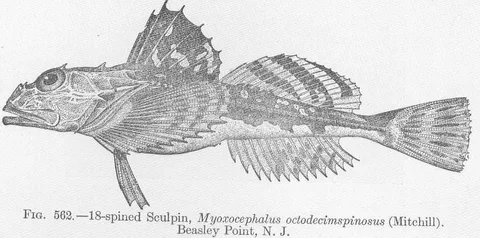 Longhorn SculpinLonghorn sculpin has a bony, spine-covered head and a very long cheek spine; oyster toadfish has smooth scaleless skin, fleshy mouth flaps and no long cheek spine
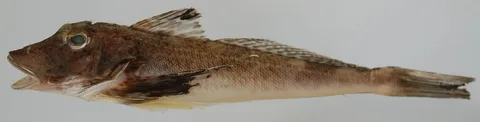 Northern Sea RobinNorthern sea robin has a bony armoured head, big wing-like pectoral fins and separate leg-like fin rays; oyster toadfish is soft-skinned and squat with fleshy flaps
Regulations vary by area and can change in-season — always check the official rules for your area before you fish. Regulations guide →
Plan a trip for Oyster Toadfish
Build today's plan