
Saltwater · Late spring through early fall; a warm-water visitor whose numbers pulse with El Niño
Pacific Barracuda
Sphyraena argentea
A slim, fang-toothed ambush predator — far smaller and slimmer than the great barracuda — that floods Southern California kelp lines in warm years. It is the classic party-boat surface fish of summer, taken on iron jigs and live sardines. California sets a minimum size for it, so check the current rules before keeping one.
Seasons · Peak
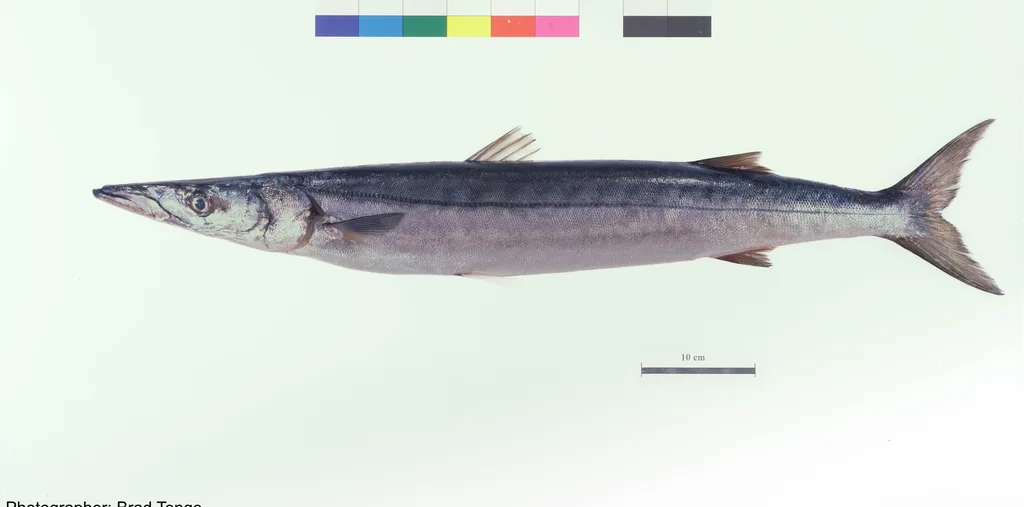
Identifying features
- Very long, slim, almost cylindrical silver body — much slimmer than the great barracuda
- Protruding lower jaw full of uneven, fang-like teeth
- Two short dorsal fins set very far apart
- Small scales and a strongly forked tail
- Plain silvery sides with no large dark blotches
Habits
- Schools along kelp lines and over bait, striking sardines and anchovies in slashing runs
- Numbers surge in warm and El Niño years and thin out in cold ones
- Juveniles shelter in bays and shallow inshore water
- Most active in warming late-spring and summer water
- Handle with care — the fang teeth cut deeply even out of water
Distribution
Where to find them
- Kelp lines off San Diego, Los Angeles and the Channel Islands
- Offshore banks and bait grounds in the Southern California Bight
- Central California kelp edges in warm years
Where they live
How to catch them
Casting iron to surface schools Boat
Rig: Medium spinning or conventional outfit with a surface or yo-yo iron jig, cast to breaking schools from party boats and private boats — the classic 'cuda on the iron'
Bait/lure: Barracuda-style iron jigs in chrome, blue-white and scrambled-egg colours
Key tip: Wind steadily without stopping — a paused jig is often ignored, and a short wire or heavy mono leader saves bite-offs.
Slow-trolled spoons and live sardines Boat
Rig: Medium trolling or live-bait outfit; slow-troll a spoon or drift a fly-lined live sardine along kelp lines and bait schools
Bait/lure: Live sardines, or silver spoons at slow trolling speed
Key tip: Work the outside edge of the kelp where schools patrol; keep fingers well clear of the teeth when unhooking.
Best baits & lures
Baseline setup
- Rod: Medium 7-8 ft spinning or conventional rod
- Line: 15-25 lb mono or braid
- Terminal: Iron jigs, spoons, short wire or heavy mono leaders, circle hooks for live bait
Recommended gear for this species
Rod · Best value
9' 5-weight fly rod outfit
≈ US$180-260
Covers chironomid lakes and small rivers with one setup.
Flies · Budget
Chironomid assortment (30 patterns)
≈ US$25-40
Chironomids are 60% of a lake rainbow's diet in spring.
Picks come from our rule library — never paid placements. Prices are guides; affiliate links may earn us a commission.
Typical size
Common 24-36 in (61-91 cm); large fish to about 48 in (122 cm)
On the table
Good — mild, white, flaky flesh popular grilled; California minimum size is 28 in (71 cm), so measure and check current rules.
Similar species
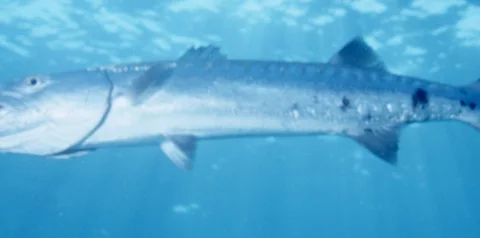
Regulations vary by area and can change in-season — always check the official rules for your area before you fish. Regulations guide →
Plan a trip for Pacific Barracuda
Build today's plan