
Freshwater · Late spring through autumn
Volga Pikeperch
Sander volgensis
A smaller Danube and Black Sea relative of the zander, called bersh in the east. The quick in-hand test: it has no canine teeth — the jaws carry only small, even teeth, unlike the fang-toothed zander. It shoals in deep Danube channels and is caught on the same jig methods scaled down.
Seasons · Peak
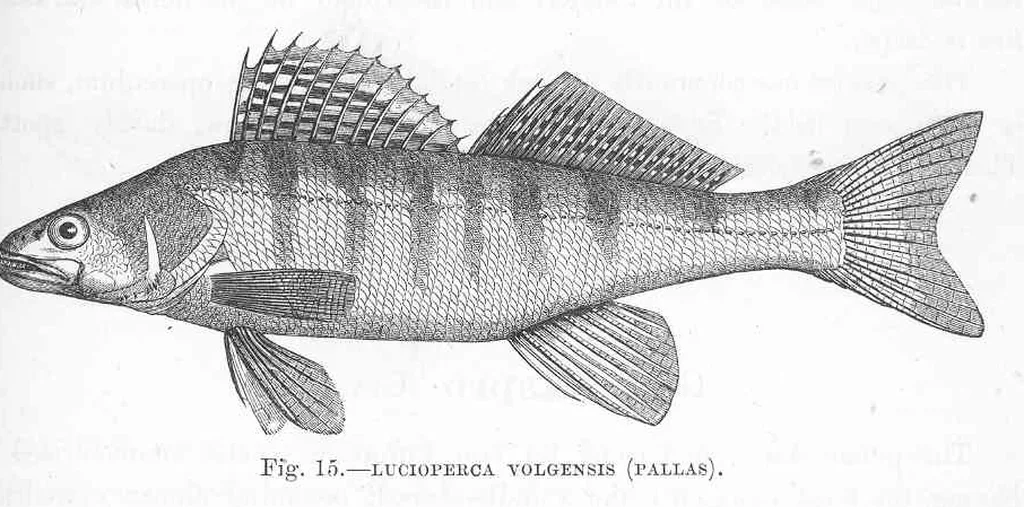
Identifying features
- Zander-shaped body but smaller and slightly deeper, with a shorter snout
- NO canine teeth — the jaws carry only small, even teeth, the quick separator from zander
- Cheeks partly scaled, unlike the zander's mostly bare cheeks
- Dusky vertical bars that stay visible in adults, more obvious than in zander
- Glass eye like the zander, adapted to low light
Habits
- A smaller, more daytime-active relative of the zander
- Shoals over deep channel edges and feeds on small fish
- Lacks the zander's big canine fangs — a quick, painless check in the hand
- Spawns in spring, with males guarding the nest as in zander
- Called bersh in the east across the Volga and Caspian drainages
Distribution
Where to find them
- Lower Danube channels and harbour basins
- Side arms and gravel-pit lakes along the Danube floodplain
- Lower Volga and Dnieper reaches in its eastern range
Where they live
How to catch them
Vertical jigging on the channel edge Boat
Rig: Light jigging rod with a small soft plastic on a jig head, fished vertically from a boat over Danube channel edges or cast and hopped from the bank
Bait/lure: Small soft plastics in natural colours
Key tip: Fish smaller than for zander and keep the jig on the bottom — bersh shoals often share the channel with zander.
Light deadbaiting at harbour margins River
Rig: Light bottom or float rig with a small deadbait close to harbour walls, side arms and deep bank edges
Bait/lure: Small deadbaits, barbless hooks
Key tip: Fish in daylight on the first drop-off; bites are quick, so hold the rod and strike early.
Best baits & lures
Baseline setup
- Rod: Light-medium jigging rod 7-8 ft
- Line: 8-14 lb braid with a fluorocarbon leader
- Terminal: Jig heads, small soft plastics, small hooks for deadbaits
Recommended gear for this species
Rod · Best value
9' 5-weight fly rod outfit
≈ US$180-260
Covers chironomid lakes and small rivers with one setup.
Flies · Budget
Chironomid assortment (30 patterns)
≈ US$25-40
Chironomids are 60% of a lake rainbow's diet in spring.
Picks come from our rule library — never paid placements. Prices are guides; affiliate links may earn us a commission.
Typical size
Common 1-2 lb (0.45-0.9 kg); large fish to about 4 lb (1.8 kg) and 18 in (45 cm)
On the table
Good — similar firm white flesh to zander in a smaller package; eaten locally around the Danube and Black Sea.
Similar species
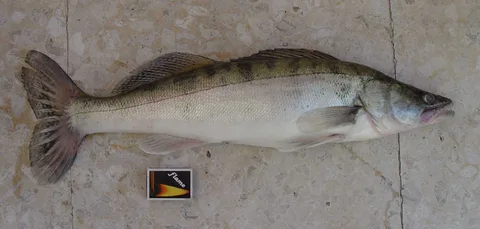
Regulations vary by area and can change in-season — always check the official rules for your area before you fish. Regulations guide →
Plan a trip for Volga Pikeperch
Build today's plan