
Freshwater · Year-round; best in spring estuary runs and again in autumn
White Perch
Morone americana
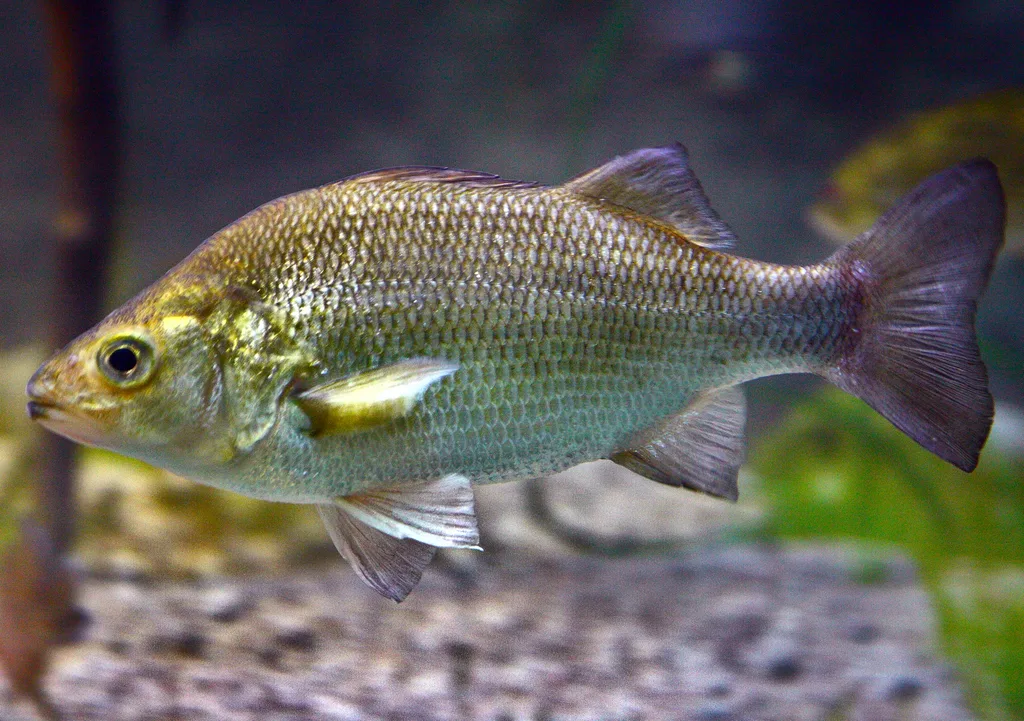
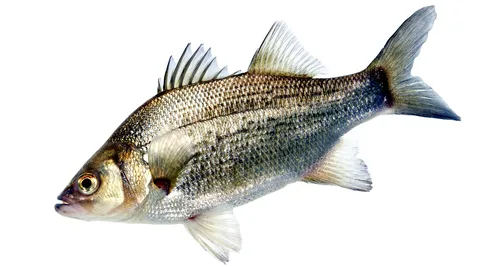
The white perch is a small temperate bass of Atlantic-coast estuaries and lakes — NOT the white bass: it is deeper-bodied and has NO stripes. In New Brunswick, Nova Scotia and Prince Edward Island it is the spring estuary panfish staple, running up tidal rivers in large schools.
Seasons · Peak
Identifying features
- Deep, silvery body with a dark greenish or grey back and no horizontal stripes
- First dorsal fin spiny and joined to the soft second dorsal
- Lower jaw only slightly protruding, mouth smaller than a white bass
- Faint dark patch sometimes visible behind the gill cover
- Anal fin with three spines; tail moderately forked
Habits
- Moves between brackish estuaries and fresh water, running upriver to spawn in spring
- Schools strongly; a caught fish usually means a school below
- Feeds on small fish, shrimp, worms and insect larvae
- Most active at dawn, dusk and on overcast days
- Adults overwinter in deeper estuary and lake water
Distribution
Where to find them
- Tidal river runs in New Brunswick and Nova Scotia in spring
- Bridge pilings, docks and creek mouths in estuaries
- Lake points and coves after fish leave the rivers in summer
Where they live
How to catch them
Estuary bait fishing Shore
Rig: Light spinning rod, small hook under a float or on a light bottom rig with worm or shrimp
Bait/lure: Worms, shrimp pieces
Key tip: Fish the spring run on a rising tide and keep moving along the bank until you find the school.
Small jig and spinner casting Shore
Rig: Ultralight rod, 1/16-1/8 oz jigs or tiny spinners cast around docks, points and creek mouths
Bait/lure: Small jigs, tiny spinners
Key tip: Retrieve slowly just off bottom — white perch follow in packs and often hit on the pause.
Best baits & lures
Baseline setup
- Rod: Light 6-7 ft spinning rod
- Line: 4-8 lb mono or braid
- Terminal: Small hooks, light jigs and tiny spinners
Recommended gear for this species
Rod · Best value
9' 5-weight fly rod outfit
≈ US$180-260
Covers chironomid lakes and small rivers with one setup.
Flies · Budget
Chironomid assortment (30 patterns)
≈ US$25-40
Chironomids are 60% of a lake rainbow's diet in spring.
Picks come from our rule library — never paid placements. Prices are guides; affiliate links may earn us a commission.
Typical size
Common 7-10 in; large fish to about 14 in and 2 lb
On the table
Excellent — sweet white panfish flesh; a prized spring catch in Atlantic Canada despite the small size.
Similar species
Regulations vary by area and can change in-season — always check the official rules for your area before you fish. Regulations guide →
Plan a trip for White Perch
Build today's plan