
Freshwater · Spring runs only; February to May in Gulf-slope rivers
Alabama Shad
Alosa alabamae
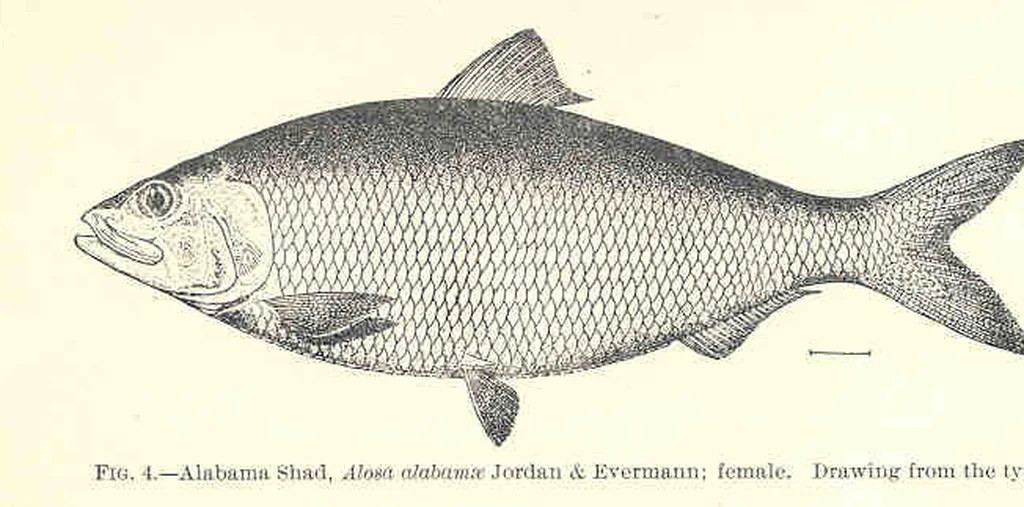
The Gulf-slope counterpart of the Atlantic shads, an anadromous herring that runs from the Gulf of Mexico into southern rivers each spring to spawn. Alabama shad is a Species of Concern whose runs have declined, and several states restrict or prohibit keeping it — always check current state rules before fishing and favour release of every fish caught.
Seasons · Peak
Identifying features
- Deep, silvery herring body with a dark spot behind the gill cover
- Row of dark spots along the side behind the shoulder spot in many fish
- Strongly forked tail and single soft dorsal fin
- Lower jaw fits into a notch in the upper jaw; no teeth on the tongue tip pattern of skipjack
- Usually 12-18 in on runs; smaller and slimmer than American shad
Habits
- Migrates from the Gulf into rivers in late winter and spring to spawn
- Schools below dams and in tailraces where migration is blocked
- Feeds on plankton and small crustaceans at sea; little feeding on the run
- Young drift back to the Gulf in summer and fall
- Runs have declined from damming and habitat loss; a Species of Concern
Distribution
Where to find them
- Tailraces below dams on Alabama and Apalachicola-system rivers
- Spring shoals of Gulf-slope rivers in the Florida panhandle
- Lower reaches of Mississippi and Louisiana Gulf tributaries on runs
Where they live
How to catch them
Shad darts and small spoons below dams River
Rig: Light to medium spinning rod, 6-10 lb line, shad dart or small spoon cast across tailrace current during the spring run
Bait/lure: Shad darts and small silver or chartreuse spoons
Key tip: Fish only during the brief spring run, handle fish gently in the water and release quickly — runs are depleted and rules often prohibit keeping.
Drifting small bright jigs in tailrace currents Boat
Rig: Light spinning rod, small bright jig drifted or slowly retrieved through tailrace seams and eddies from boat or bank
Bait/lure: Small pink, chartreuse and white jigs
Key tip: Keep jigs near mid-depth in the current seam; expect soft takes and use a soft net or wet hands for release.
Best baits & lures
Baseline setup
- Rod: Light to medium 6.5-7 ft spinning rod
- Line: 6-10 lb mono or fluorocarbon
- Terminal: Shad darts, small spoons and 1/16-1/8 oz bright jigs
Recommended gear for this species
Rod · Best value
9' 5-weight fly rod outfit
≈ US$180-260
Covers chironomid lakes and small rivers with one setup.
Flies · Budget
Chironomid assortment (30 patterns)
≈ US$25-40
Chironomids are 60% of a lake rainbow's diet in spring.
Picks come from our rule library — never paid placements. Prices are guides; affiliate links may earn us a commission.
Typical size
Common 12-18 in (30-46 cm), 1-2 lb (0.45-0.9 kg); large fish to about 20 in (51 cm)
On the table
Poor to fair and bony like other shads — and as a Species of Concern it should be released; several states prohibit keeping it.
Similar species
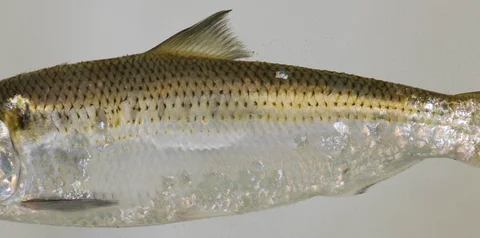 Hickory ShadHickory shad is an Atlantic-slope fish with a protruding lower jaw; Alabama shad is the Gulf-slope fish whose lower jaw fits into an upper-jaw notch
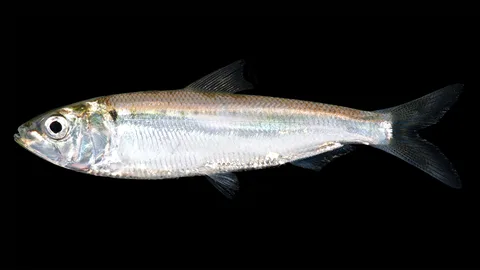 American ShadAmerican shad grows much larger (often 3-5 lb) and runs Atlantic rivers; Alabama shad is the smaller Gulf-slope species
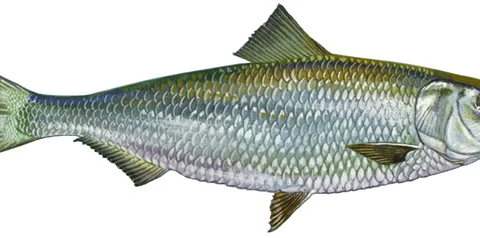 Skipjack HerringSkipjack herring has a protruding lower jaw, sharp belly and stays in fresh water in the Mississippi system; Alabama shad is anadromous from the Gulf with a notched upper jaw
Regulations vary by area and can change in-season — always check the official rules for your area before you fish. Regulations guide →
Plan a trip for Alabama Shad
Build today's plan