
Saltwater · Summer best, May to September over wrecks and reefs
Atlantic Spadefish
Chaetodipterus faber
A deep, disc-shaped fish with bold black bars that fade with age, famous for hovering in tight schools over wrecks and pilings. Wary and light-biting, it is still a strong fighter on light tackle once hooked. Tiny bits of shrimp, clam or jellyball on small hooks are the whole secret.
Seasons · Peak
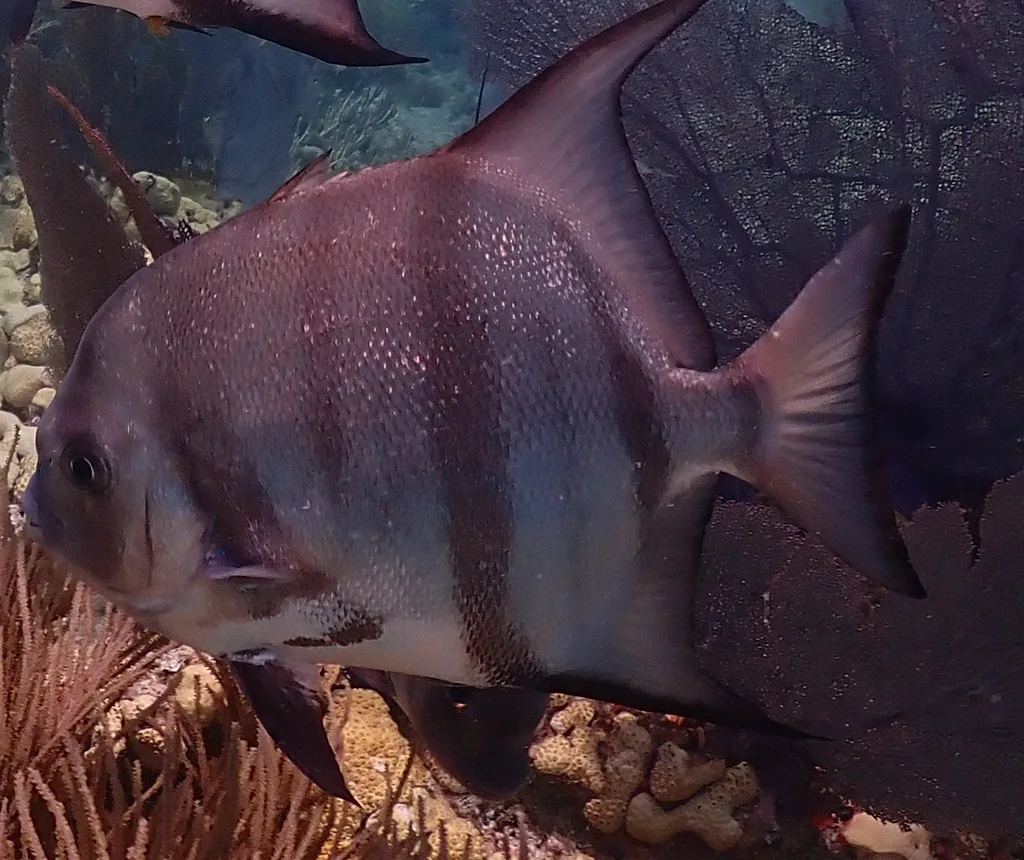
Identifying features
- Deep, disc-shaped spade-like body, strongly compressed
- Four to six black bars on a silvery-gray body; bars fade with age
- Long, flowing dorsal and anal fins like an angelfish
- Small mouth with brush-like teeth, blunt steep head
- Juveniles are almost solid black and drift like leaves
Habits
- Schools hover in mid-water over wrecks, reefs and pilings
- Feeds on jellyfish, including cannonball jellies, plus crustaceans and molluscs
- Wary and spooky — a boat parked overhead scatters the school
- Bites are feather-light nibbles on tiny baits
- A strong, stubborn fighter on light tackle for its size
Distribution
Where to find them
- North Carolina wrecks and artificial reefs in summer
- Chesapeake Bay bridge-tunnel and channel towers
- Florida Atlantic reefs, jetties and bridge pilings
Where they live
How to catch them
Chumming spadefish up at wrecks and pilings Shore
Rig: Light spinning outfit, small strong hook with a pea-sized piece of shrimp or clam, drifted weightless or under a small float in a chum slick at wrecks, reefs and bridge pilings
Bait/lure: Shrimp and clam pieces
Key tip: Chum them up until you can see the school, then drift the bait at their exact depth — spadefish will not chase.
Jellyball fishing under a float at North Carolina wrecks Boat
Rig: Small piece of cannonball jelly on a small hook under a float, fished at mid-depth over summer wrecks off North Carolina
Bait/lure: Cannonball jelly pieces
Key tip: Match the depth of the hovering school and use the smallest piece that stays on the hook — big baits get ignored.
Best baits & lures
Baseline setup
- Rod: Light to medium 7 ft spinning rod
- Line: 10-15 lb mono or braid with a light fluorocarbon leader
- Terminal: Small strong hooks (size 1-2/0), small floats, minimal weight
Recommended gear for this species
Rod · Best value
9' 5-weight fly rod outfit
≈ US$180-260
Covers chironomid lakes and small rivers with one setup.
Flies · Budget
Chironomid assortment (30 patterns)
≈ US$25-40
Chironomids are 60% of a lake rainbow's diet in spring.
Picks come from our rule library — never paid placements. Prices are guides; affiliate links may earn us a commission.
Typical size
Common 2-5 lb (0.9-2.3 kg); large fish to about 15 lb (6.8 kg)
On the table
Good — firm, mild white flesh, though the dark bars and shape put some anglers off cleaning it.
Similar species
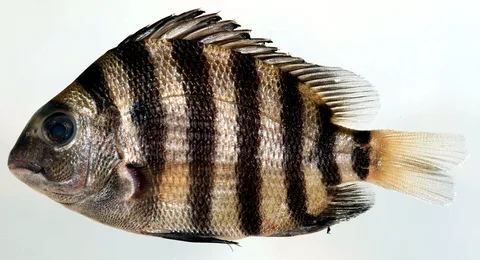 SheepsheadSheepshead has a lower, less disc-like body and unmistakable human-like teeth; spadefish is a tall disc with a tiny mouth and long flowing fins
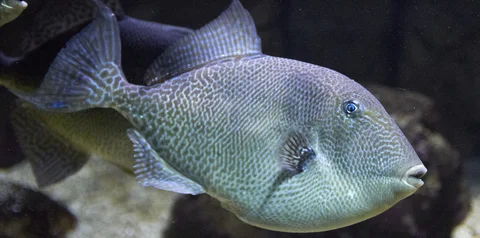 Gray TriggerfishGray triggerfish is uniformly gray with tough leathery skin, a beak and a locking first dorsal spine; spadefish is silvery with black bars and soft, flowing fins
Regulations vary by area and can change in-season — always check the official rules for your area before you fish. Regulations guide →
Plan a trip for Atlantic Spadefish
Build today's plan