
Saltwater · Year-round in Florida; spring to fall on the northern Gulf Coast, April to October
Crevalle Jack
Caranx hippos
A hard-fighting, schooling jack of Florida and Gulf inlets, beaches and bays, famous for surface 'jack attacks' on bait schools. Note the disambiguation: this Atlantic fish and the Pacific crevalle jack (Caranx caninus) are separate species split by Panama — this page is the Atlantic one. It is prized for the fight, not the table.
Seasons · Peak
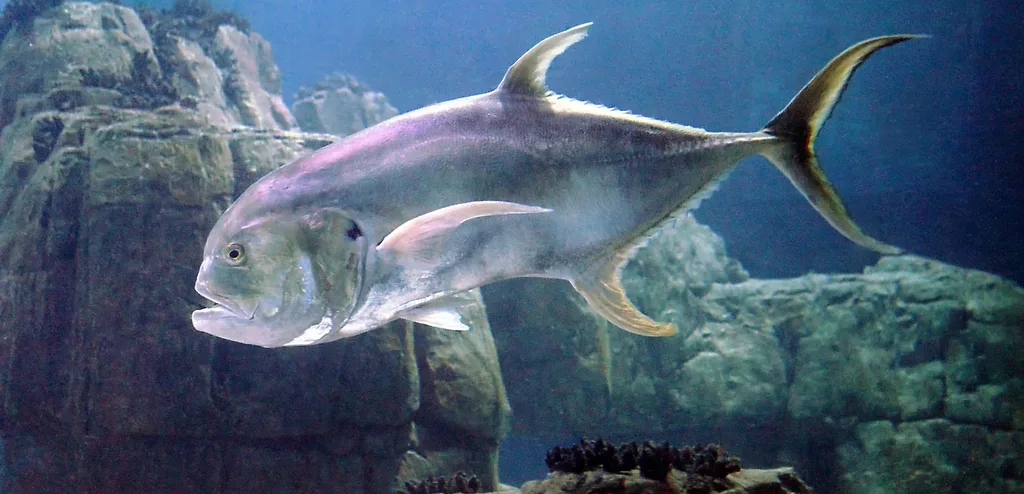
Identifying features
- Black spot on the gill cover (operculum) and a second black spot at the base of the pectoral fin
- Deep, blunt-headed body, dark back, silvery sides and a yellowish belly and fins
- Deeply forked tail with a narrow, keeled tail base
- Black blotch often shows on the pectoral fin itself in larger fish
- Juveniles have dark vertical bars and live in estuaries
Habits
- Travels in fast schools that herd baitfish to the surface in noisy 'jack attacks'
- Feeds aggressively on mullet, threadfins, shrimp and small crabs, often at dawn and on moving tides
- Adults range offshore to reefs and wrecks; juveniles use bays and estuaries as nurseries
- Makes a croaking or grunting sound when landed
- Fights deep and stubbornly, far out of proportion to its table value
Distribution
Where to find them
- Florida and Gulf inlets and passes on moving tides
- Bridges and deep channels in Louisiana and Texas bays
- Florida beaches and nearshore wrecks when schools push bait in
Where they live
How to catch them
Topwater plugs and fast spoons into feeding schools Boat
Rig: Medium-heavy spinning rod, a noisy topwater plug or heavy spoon cast into a surface-feeding school and retrieved fast
Bait/lure: Topwater plugs, spoons
Key tip: Cast to the edge of a 'jack attack', keep the lure moving fast, and expect the school to follow a hooked fish to the boat.
Live bait under bridges and in inlets Boat
Rig: Medium-heavy rod, live mullet or threadfin on a circle hook with a light split shot or free-lined, fished under bridges, in inlets and around shrimp boats
Bait/lure: Live mullet, threadfin herring
Key tip: Fish moving tides at dawn; let the bait swim naturally and hold on for a deep, stubborn fight.
Best baits & lures
Baseline setup
- Rod: Medium-heavy 7-8 ft spinning rod
- Line: 20-30 lb braid or mono
- Terminal: 4/0-6/0 circle hooks, topwater plugs, heavy spoons
Recommended gear for this species
Rod · Best value
9' 5-weight fly rod outfit
≈ US$180-260
Covers chironomid lakes and small rivers with one setup.
Flies · Budget
Chironomid assortment (30 patterns)
≈ US$25-40
Chironomids are 60% of a lake rainbow's diet in spring.
Picks come from our rule library — never paid placements. Prices are guides; affiliate links may earn us a commission.
Typical size
Common 2-8 lb (0.9-3.6 kg) inshore; large offshore fish to 20-30 lb (9-14 kg), record class over 50 lb (23 kg)
On the table
Poor to fair — dark, oily flesh; most anglers release it or use it as cut bait or shark bait.
Similar species
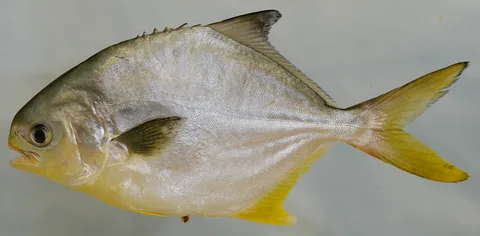 Florida PompanoFlorida pompano is small, usually 1-3 lb, deep and silvery with yellow fins and no black spots; crevalle jack is much larger, blunt-headed, with black spots on the gill cover and pectoral base
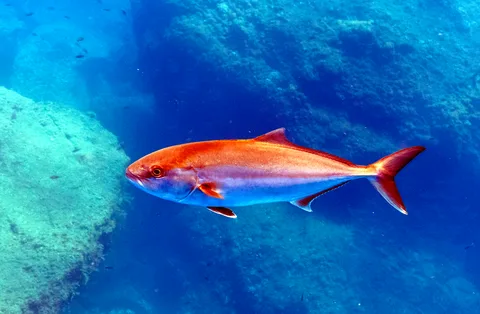 Greater AmberjackGreater amberjack is a larger offshore reef fish with a dark diagonal band through the eye and no black pectoral spot; crevalle jack is the inshore schooling fish with the two black spots
Regulations vary by area and can change in-season — always check the official rules for your area before you fish. Regulations guide →
Plan a trip for Crevalle Jack
Build today's plan