
Freshwater · Summer and early autumn; warm evenings best
European Barbel
Barbus barbus
The iconic fast-river fish of the Rhine, Weser, Thames and Trent — a long, four-barbelled bottom feeder that lives in weir pools and gravel runs and fights harder than almost any European river fish. Best at dusk on warm summer evenings.
Seasons · Peak
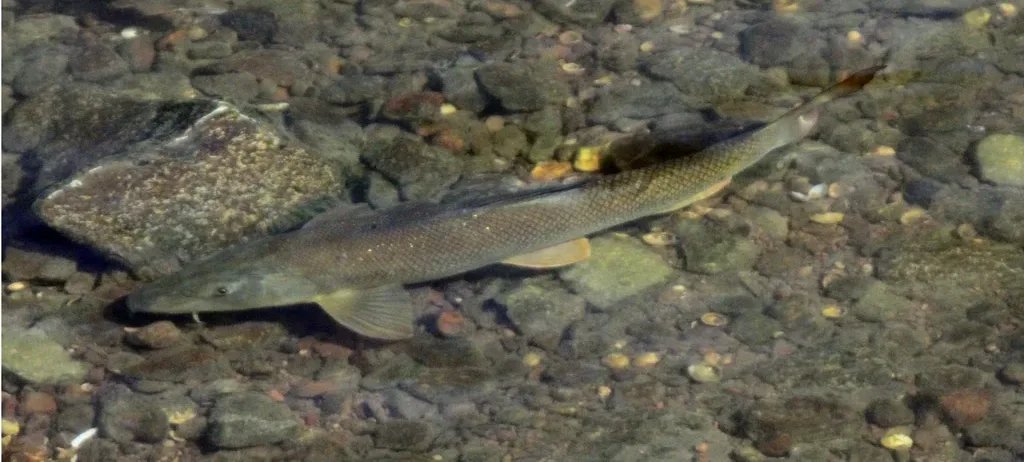
Identifying features
- Long, cylindrical, muscular body built for living in fast current
- Underslung mouth with four barbels — two at the corners, two at the front
- Golden-brown to olive back, creamy belly and large scales
- Long dorsal fin and a deeply forked tail on a thick tail stalk
- Flattened underside for holding station on gravel in the flow
Habits
- A powerful bottom feeder grazing gravel runs for insect larvae, crustaceans and small fish
- Most active at dusk and after dark, especially on warm summer evenings
- Holds in fast water behind boulders and in weed beds, resting in slacks by day
- Spawns in late spring and early summer over gravel; ⚠ the roe is toxic at spawning time — never eat barbel eggs
- Fights exceptionally hard, using the current and diving for snags
Distribution
Where to find them
- Thames and Trent weirs and gravel runs in England
- Rhine and Weser groyne fields and weir pools in Germany
- French lower Dordogne and Loire glides holding barbel
Where they live
How to catch them
Feeder ledgering in the run River
Rig: Barbel rod with a running lead or swimfeeder, strong hook and pellets or boilies fished in gravel runs and weir pools with light pre-baiting
Bait/lure: Pellets, boilies and feeder groundbait
Key tip: Fish into dusk and hold the rod ready — bites are violent; steer fish away from snags and rest them well before release.
Light ledgering with natural baits River
Rig: Medium river rod with a light running lead and a big hook, fished with lobworms, meat or cheese paste along bank lines and weir edges
Bait/lure: Large lobworms, meat and cheese paste
Key tip: Stay mobile and work several glides; barbel patrol bank lines at dusk — keep quiet and do not over-cast.
Best baits & lures
Baseline setup
- Rod: Barbel rod 11-12 ft, 1.5-2 lb test curve
- Line: 10-15 lb mono with a strong hooklink
- Terminal: Running leads, strong hooks, feeders for pellets and groundbait
Recommended gear for this species
Rod · Best value
8' medium-heavy catfish rod
≈ US$80-130
Long enough to lob heavy bait rigs, strong enough to move a flathead off the bottom.
Reel · Budget
Baitcasting or 4000-6000 spinning reel
≈ US$60-100
Line capacity and drag for long runs — catfish and carp both make them.
Terminal · Budget
Circle hooks, sliding sinkers and cut-bait rigs
≈ US$15-25
A slip-sinker rig with a circle hook is the proven bottom setup for cats and carp alike.
Picks come from our rule library — never paid placements. Prices are guides; affiliate links may earn us a commission.
Typical size
Common 4-10 lb (1.8-4.5 kg); large river fish over 16 lb (7.3 kg) and 31 in (80 cm)
On the table
Fair — coarse, bony flesh eaten in parts of Europe; ⚠ the roe is toxic during the spawning season — do not eat the eggs. Most UK anglers release barbel.
Similar species
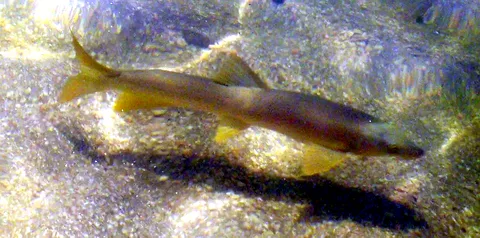 Iberian BarbelIberian barbel is a Spanish endemic with a longer snout and thick lobed median pad on the lower lip; the European barbel is slimmer-lipped and widespread
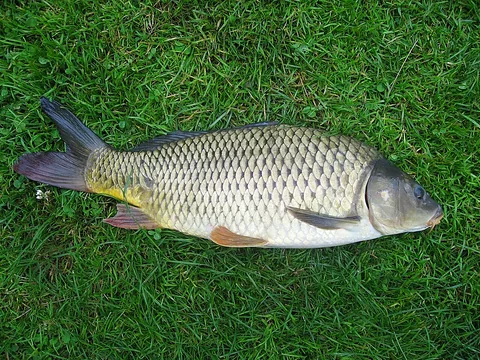 Common CarpCommon carp is much deeper and hump-backed with a very long dorsal fin; the barbel is long, cylindrical and built for fast flow
Regulations vary by area and can change in-season — always check the official rules for your area before you fish. Regulations guide →
Plan a trip for European Barbel
Build today's plan