
Saltwater · Spring and autumn; summer in the estuaries
European Flounder
Platichthys flesus
The estuary flatfish of the Baltic and Wadden Sea — rough, warty and one of the few sea fish that tolerate fresh water and run far up rivers in summer. Its rough skin separates it from the smooth, orange-spotted plaice. Flunder in German, flet in French.
Seasons · Peak
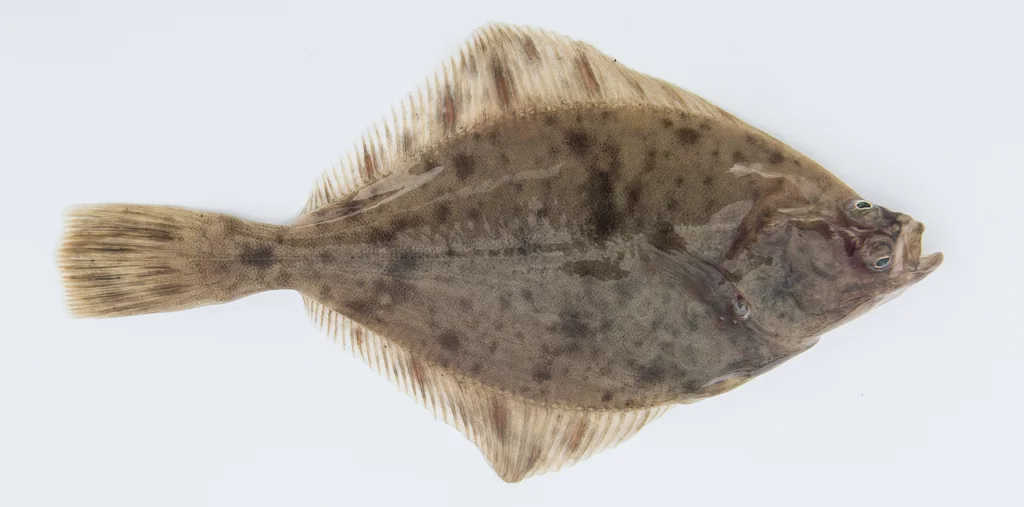
Identifying features
- Right-eyed flatfish, usually with both eyes on the right side
- Rough, warty skin with bony tubercles along the fin bases and lateral line — feels coarse
- Dull brown-green eyed side with, at most, faint dull orange speckles — never plaice's bright spots
- Lateral line almost straight, with a rough patch of tubercles around it
- Often partly spotted or marbled; odd fish are left-eyed or partly coloured on the blind side
Habits
- Tolerates fresh water and runs far up rivers in summer to feed
- Feeds on worms, shrimp, small crabs and shellfish siphons on the flood tide
- Rough skin and warty tubercles distinguish it on muddy ground
- Migrates seaward in autumn and winter to spawn in deeper water
- A daylight feeder that moves with the tide across the flats
Distribution
Where to find them
- Baltic bays and estuaries of Germany, Denmark and Scandinavia
- Wadden Sea creeks and Dutch estuary mouths
- British, Irish and French Channel river mouths and harbours
Where they live
How to catch them
Estuary fishing on mud and sand Shore
Rig: Light estuary rod with a two-hook flapping rig baited with lugworm or crab, fished on creek edges and mudflats on the flood tide
Bait/lure: Lugworm, crab, shrimp
Key tip: Fish the incoming tide — flounder push onto the flats with the flood to feed.
River and harbour fishing in summer Boat
Rig: Light bottom rig in harbour channels and lower river reaches where flounder run into fresh water in summer
Bait/lure: Lugworm, shrimp, small worm baits
Key tip: Hold the rig on channel edges where worms and shrimp gather — that is where they patrol.
Best baits & lures
Baseline setup
- Rod: Light-medium beachcaster or estuary rod
- Line: 15-25 lb main line with 15 lb snoods
- Terminal: Two-hook flapping rigs, size 1-2 hooks, plain leads
Recommended gear for this species
Rod · Best value
7'6" medium-heavy jigging rod
≈ US$110-170
Works 2-6 oz jigs over rock and reef and still has the backbone to lift a halibut off the bottom.
Line · Budget
50 lb braid with 40 lb leader (200 yd)
≈ US$25-40
Thin braid cuts the current so jigs stay vertical; the leader shrugs off rock and teeth.
Terminal · Budget
Leadhead jigs, swimbaits and two-hook bottom rigs
≈ US$25-40
A leadhead with a swimbait tail is the universal bottom-fish catcher, from rockfish to cod to flounder.
Picks are never paid placements. Prices are guides; price links are coming soon and none is an affiliate link yet.
Typical size
Common 8-14 in (20-35 cm), about 0.5-2 lb (0.2-0.9 kg); large fish to 20 in (50 cm) and 5 lb (2.3 kg)
On the table
Fair to good — soft white flesh, better from sea fish than from muddy estuary fish, which can taste earthy.
Similar species
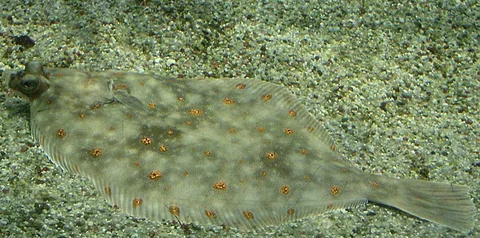 PlaicePlaice is smooth-skinned with bright orange-red spots and a bony head ridge; European flounder is rough and warty with at most dull speckles
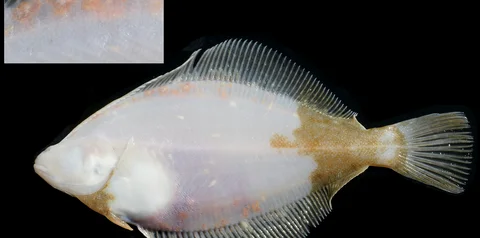 DabDab is smaller, purely marine and has a strongly curved lateral line over the pectoral fin; European flounder runs into fresh water and has a near-straight, rough lateral line
Regulations vary by area and can change in-season — always check the official rules for your area before you fish. Regulations guide →
Plan a trip for European Flounder
Build today's plan⚠ Heads-up: European Flounder doesn't occur around Vancouver, BC (or is very rare there), so it's not a sensible local target. Your plan stays in Vancouver, BC and is built around the fish that actually live there.